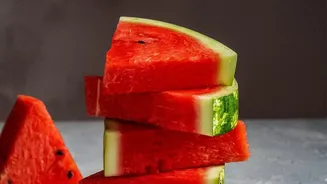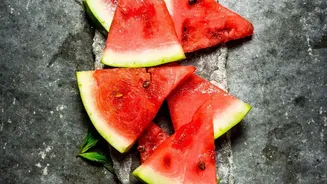




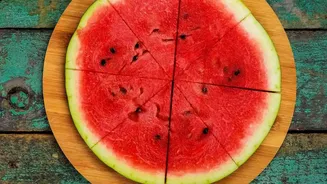

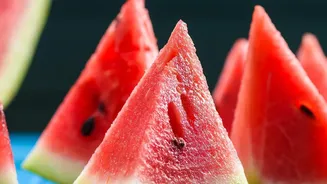
Every summer, a quiet tragedy unfolds in kitchens across India: piles of nutrient-rich watermelon rind are discarded. But what if that leftover white and green part could be transformed into something delicious? It's time to rethink food waste.
The Hidden Benefits of the Rind
Before
you dismiss the rind as inedible, consider what you're throwing away. The white part of the rind is not only edible but also packed with nutrients. It has a crisp texture, similar to a cucumber, and a mild flavour that readily absorbs spices. It's a good source of fibre, which aids digestion, and contains vitamins A, C, and B6, along with minerals like potassium and zinc. The rind is also a notable source of citrulline, an amino acid that may help improve blood flow. By using the entire watermelon, you not only reduce kitchen waste but also add a versatile and healthy new vegetable to your culinary arsenal.
Recipe 1: Classic Watermelon Rind Sabzi
One of the easiest ways to cook with watermelon rind is to treat it like any other vegetable and make a simple sabzi. The rind soaks up the flavours of the spices beautifully. Start by peeling the tough outer green skin and cutting the white rind into small cubes. Heat oil in a pan, add cumin seeds, and let them splutter. Add chopped onions and sauté until golden, then stir in ginger-garlic paste. Add the cubed rind along with turmeric, red chilli powder, coriander powder, and salt. Mix well, cover, and cook on a low flame for about 20-30 minutes, or until the rind is tender. You can add a splash of water if it becomes too dry. Finish with a sprinkle of garam masala and a squeeze of lemon juice for a tangy, flavourful side dish that pairs perfectly with roti or dal-rice.
Recipe 2: Instant Tangy Achaar
Watermelon rind makes for a fantastic instant pickle, perfect for adding a zesty kick to your meals. For a quick 'achaar-style' stir-fry, cut the peeled rind into thin strips. Heat mustard oil in a pan until it's very hot, then add mustard seeds and nigella seeds (kalonji). Once they crackle, toss in the rind strips and stir-fry on high heat for a few minutes until they get a little colour but remain crunchy. Add turmeric, red chilli powder, dry mango powder (amchur) for tanginess, and salt. Toss everything together and cook for another minute. This quick pickle or 'upinkhai' is a great way to preserve the rind's crispness. For a more traditional pickle, you can marinate the rind in salt overnight to draw out water before mixing with spices.
Recipe 3: Sweet and Spicy Chutney
The rind's firm texture makes it an excellent candidate for a sweet and spicy chutney that can be stored for weeks. Combine cubed watermelon rind in a pot with sugar, vinegar, and water. Bring the mixture to a boil. In a separate pan, temper spices like mustard seeds and cumin seeds in oil, then add chopped onion, garlic, and grated ginger. Add this aromatic mixture to the simmering rind, along with turmeric and red chilli flakes. Let it cook down for 30-40 minutes until the rind becomes translucent and the chutney thickens to a syrupy consistency. This condiment works beautifully with snacks, parathas, or as a side with your main meals.
Recipe 4: Watermelon Rind Dosa
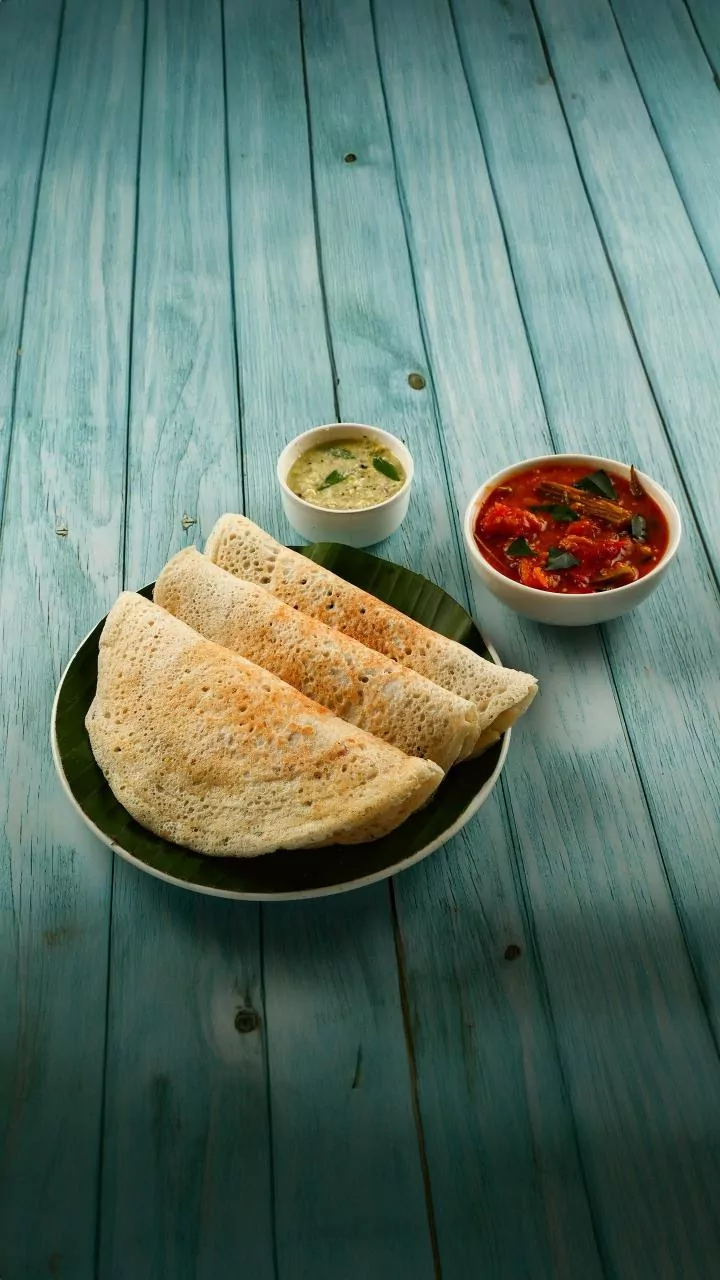
For a creative South Indian twist, you can incorporate watermelon rind into dosa batter. After removing the tough green skin, chop the white rind. Soak rice for a few hours as you would for a normal dosa. When grinding the rice, add the chopped watermelon rind to the mix. The rind is full of water, so you may not need to add extra water during grinding. Allow the batter to ferment for about eight hours. Once fermented, you can temper the batter with mustard seeds, curry leaves, and chopped onions for extra flavour. Cook the dosas on a hot tawa as you normally would. The result is a soft, flavourful dosa that makes for a unique and wholesome breakfast.