

Your Guide to Spotting the Station
Seeing the International Space Station (ISS) is a surprisingly simple and rewarding experience. It looks like a very bright, fast-moving star gliding silently across the sky. Unlike an airplane, it doesn't have blinking lights and moves much faster and more
steadily. The best times to see it are in the hours just after sunset or before sunrise. This is because the sky on the ground is dark, but the ISS, at its high altitude of over 400 kilometres, is still bathed in sunlight, which it reflects back to us. A typical pass can last anywhere from two to seven minutes, so you need to be ready to look.
How to Prepare for a Sighting
You don't need any special equipment to see the ISS. Just your eyes are enough. However, a little preparation goes a long way. Find a viewing spot with a clear view of the horizon, away from tall buildings and bright city lights if possible. Knowing your directions (north, south, east, west) is crucial, as the viewing schedules will tell you where the station will appear and disappear. Several free apps and websites, including NASA's official Spot the Station service, can give you precise, real-time information and send alerts for your specific location. Give your eyes a few minutes to adjust to the darkness before the scheduled pass time for the best experience.
Viewing Times for Indian Cities: August 2026
Visible passes happen in cycles, and mid-to-late August 2026 offers some excellent opportunities across India. Here are some of the best upcoming chances for major cities. All times are local. 'Max height' refers to how high it will get in the sky (90 degrees is directly overhead), and 'magnitude' indicates brightness (lower numbers are brighter). Note that these are primarily pre-dawn sightings. Delhi: Tuesday, Aug 18, 5:00 AM. Visible for 7 mins. Max height 49°, appearing from the SW. This will be a brilliantly bright pass. Mumbai: Thursday, Aug 20, 5:03 AM. Visible for 7 mins. Max height 53°, appearing from the WSW. Another exceptionally bright viewing opportunity. Bengaluru: Sunday, Aug 16, 4:59 AM. Visible for 5 mins. Max height 17°, appearing from the SSE. A lower pass, but still a good one. Kolkata: Wednesday, Aug 19, 4:13 AM. Visible for 6 mins. Max height 28°, appearing SSW. A bright and solid opportunity for eastern India. Chennai: Tuesday, Aug 18, 5:00 AM. Visible for 7 mins. Max height 49°, appearing SW. This pass will be very bright and easy to spot.
What Are You Actually Seeing?
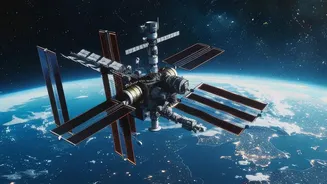
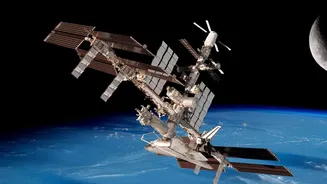
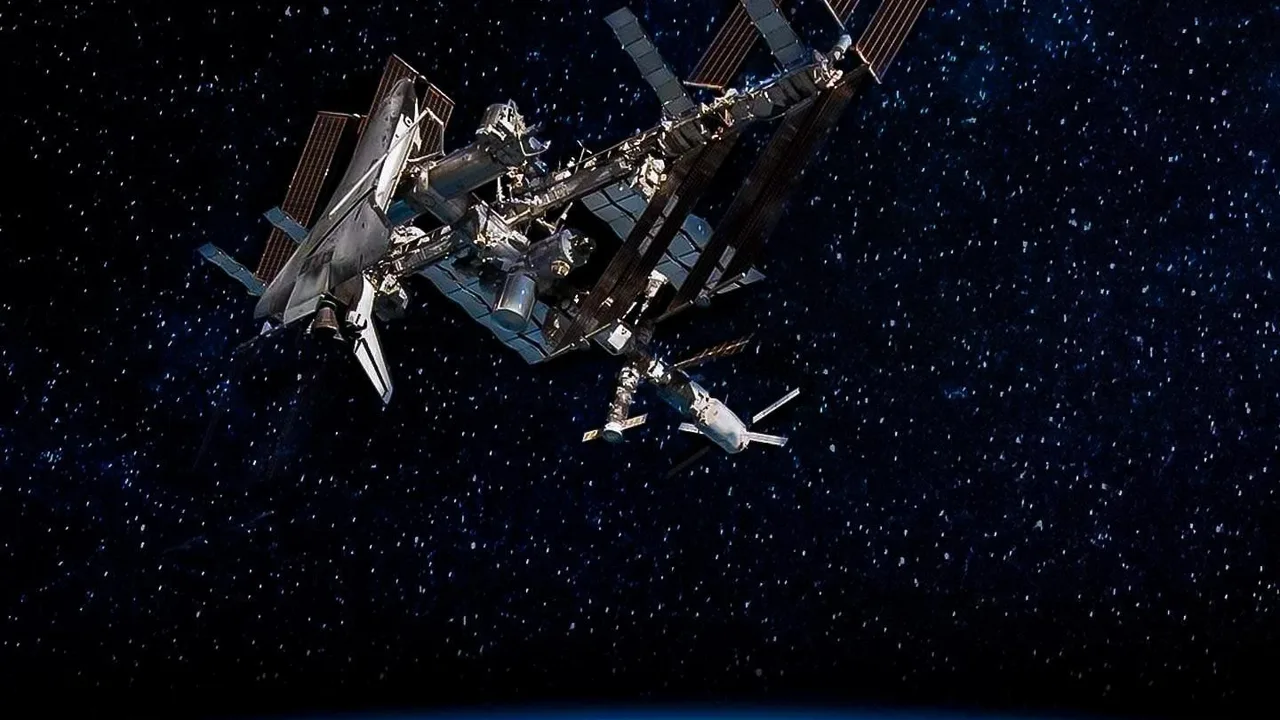
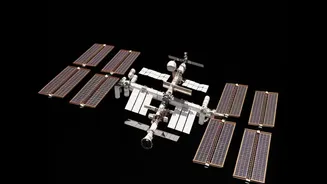
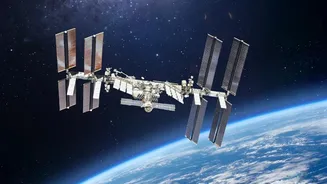
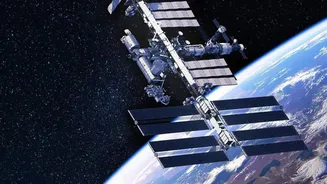
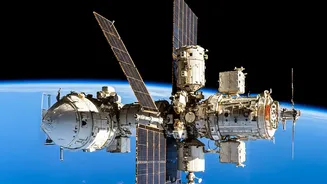
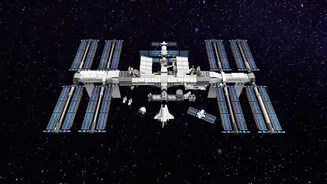
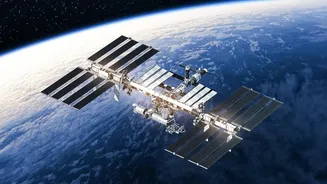
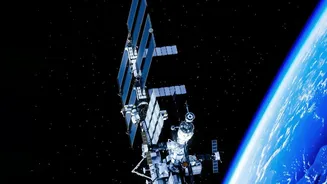
That brilliant, silent point of light is a significant symbol of human achievement. The ISS is the largest man-made object in orbit, roughly the size of a football field, and weighs about 420 tonnes. It travels at a staggering 28,000 kilometres per hour, completing one full orbit of Earth approximately every 92 minutes. This means the crew on board experience about 16 sunrises and sunsets every single day. For over two decades, the ISS has been continuously inhabited by astronauts from around the world, including, at times, those of Indian origin. They conduct crucial scientific research in its microgravity environment, studying everything from human health to climate patterns, for the benefit of everyone back on Earth.