
The Legacy of the Locked Trunk
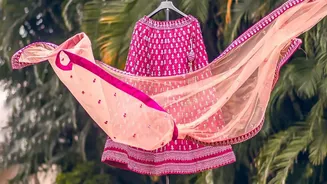
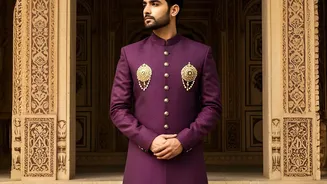
For generations, the finest Indian textiles were synonymous with special occasions. Intricate crafts like Zardozi, with its roots in royal courts, and delicate Chikankari were seen on heavy silks and velvets, reserved for bridal trousseaus and religious
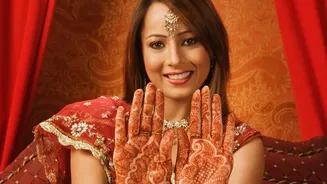
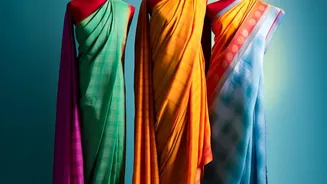
festivals. This perception was rooted in the sheer cost, labour, and opulence of the materials. These were not garments for daily life; they were heirlooms, carefully wrapped and stored, brought out only for the most significant events. This tradition created a powerful association: handcrafted meant formal, celebratory, and separate from the everyday.
A Shift in Silhouette
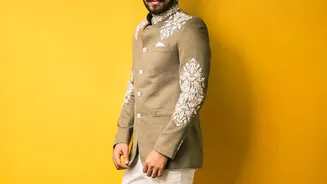
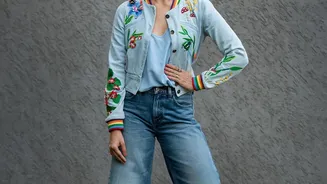
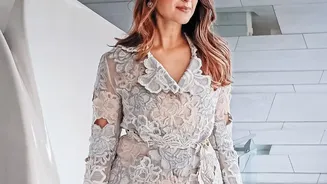
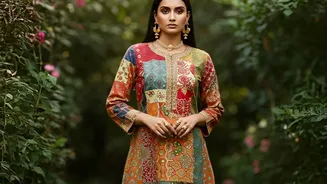
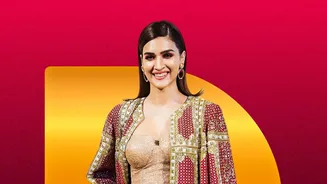
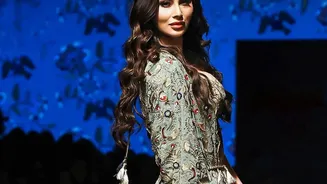
The single most significant change has been in the garment's form. Designers are moving heritage crafts beyond the traditional sari, lehenga, and kurta. Now, a Banarasi brocade is tailored into a sharp blazer, delicate Chikankari adorns a contemporary dress, and Kantha stitching adds texture to a denim jacket. This fusion of Indian craftsmanship with Western silhouettes—like structured trousers, crop tops, and trench coats—makes the details instantly more accessible. By placing embroidery on a familiar, modern canvas, designers decouple the craft from its formal origins, making it feel appropriate for a wider range of settings.
Context is Everything: From Jeans to Jackets
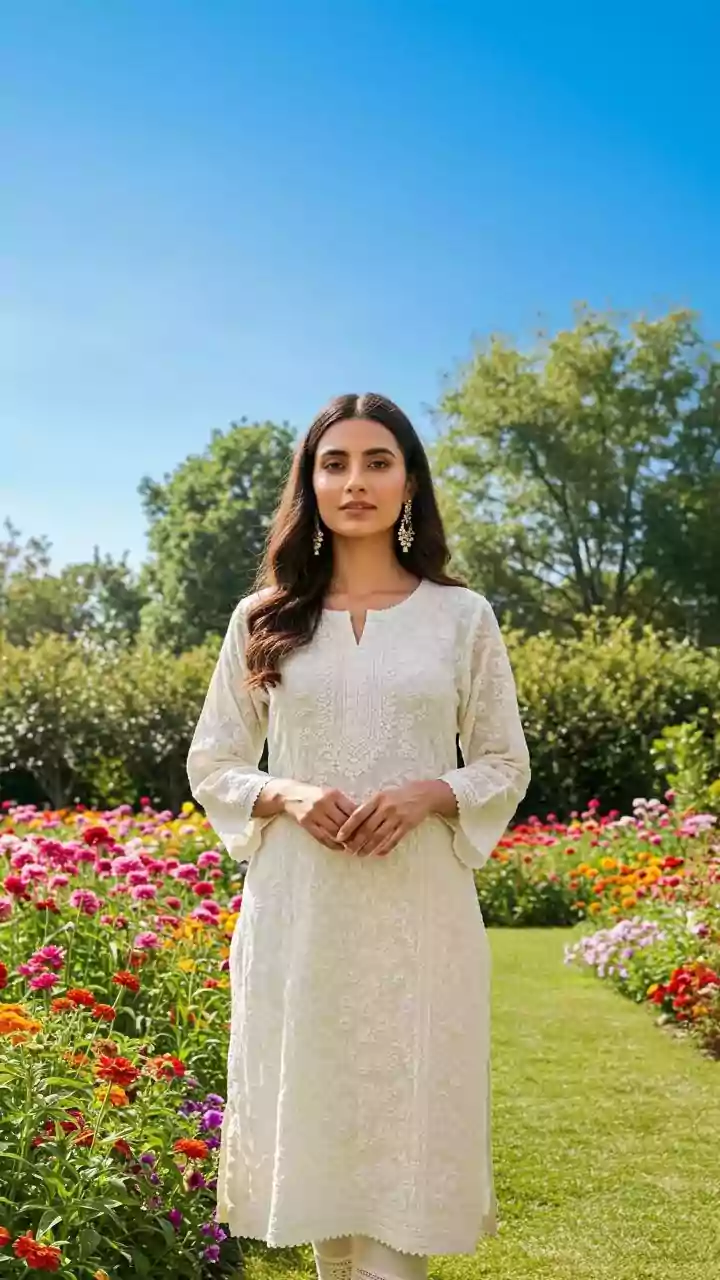
Modern styling is all about recontextualizing. It's no longer about a head-to-toe traditional look. The new approach encourages mixing and matching, which breaks down formality. A heavily embroidered Zardozi cape might be paired with simple trousers, or a sheer organza jacket with Chikankari work could be layered over a simple top and jeans. This high-low dressing makes the craft feel less intimidating and more personal. The focus has shifted from overwhelming embellishment to minimalist embroidery and subtle, tone-on-tone work that adds texture without shouting for attention. This subtlety is key to integrating handcrafted pieces into a professional or casual wardrobe.
The New Guard of Indian Design
A new generation of Indian designers is leading this charge. Labels like Anita Dongre and Rahul Mishra have been instrumental in taking handwoven fabrics and intricate embroideries into contemporary forms like jackets and gowns. They, along with others such as Sabyasachi and Gaurav Gupta, have shown how traditional techniques can be applied to modern tailoring, gaining global recognition in the process. These designers often work directly with artisan clusters, ensuring the preservation of skills while providing a platform for innovation. Their work champions a 'slow fashion' ethos, resonating with consumers who are increasingly looking for authenticity and sustainability over fast fashion.
A Wardrobe for the Modern Indian
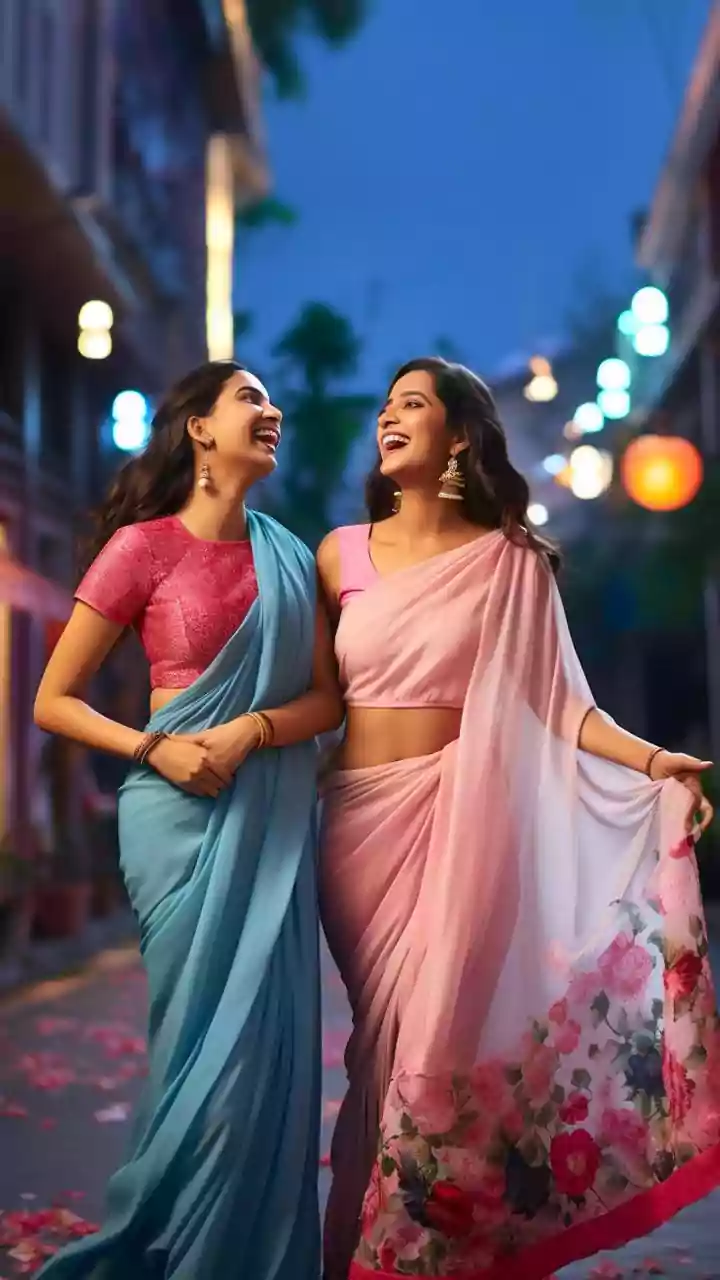
This trend isn't just designer-led; it's a reflection of a cultural shift. Today's Indian consumer wants to connect with their heritage in a way that feels authentic to their global lifestyle. They want clothing that tells a story and supports artisan communities, but it also needs to be practical, comfortable, and versatile. Choosing a handloom shirt for work or an Ikat dress for a brunch is an expression of identity. It’s a move away from seeing traditional wear as a costume for special events and towards embracing it as a beautiful, functional part of everyday life.