




Witness the Spectacle of Vallam Kali
The Vallam Kali, or snake boat race, is one of Onam's most electrifying spectacles. Held on Kerala's serene backwaters, these races feature long, slender Chundan Vallams (snake boats) that can be over 100 feet long, powered by up to 100 rowers paddling
in perfect synchrony. The air fills with the rhythmic chants of the oarsmen and the roar of the crowd, creating an atmosphere of pure adrenaline and community pride. Historically rooted in ancient rivalries between local kingdoms, the races are now a powerful symbol of teamwork and cultural heritage. Major events like the Nehru Trophy Boat Race in Alappuzha attract thousands of spectators, making it a must-see event that captures the raw energy of the festival.
Marvel at the Intricate Pookalam
One of the first signs of Onam's arrival is the Pookalam, a beautiful and intricate floral carpet laid at the entrance of homes and public spaces. This tradition begins on the first day, Atham, with a small, simple design, and grows larger and more complex each day of the ten-day festival. Families and communities come together to arrange fresh petals of marigolds, roses, and traditionally endemic flowers into stunning circular patterns. More than just a decoration, the Pookalam is a collective art form symbolizing prosperity, joy, and a colourful welcome for the spirit of the mythical King Mahabali. The process is a cherished social ritual, bringing generations together in a shared act of creativity.
Indulge in the Grand Onam Sadya
No Onam experience is complete without partaking in the Onam Sadya, a magnificent vegetarian feast that is a ritual in itself. Served on a fresh banana leaf, the Sadya can feature more than 25 dishes, creating a harmonious balance of sweet, salty, sour, and spicy flavours. Key items include red rice, parippu (lentil curry), sambar, avial (mixed vegetables in coconut), and various pickles and chips. The meal is eaten by hand, and each dish is placed in a specific spot on the leaf. The feast culminates with delicious sweet puddings called payasam. The Sadya is a culinary expression of Kerala's agricultural abundance and a profound symbol of community and togetherness.
Experience the Fierce Grace of Pulikali
On the fourth day of Onam, the streets of Thrissur erupt with the vibrant energy of Pulikali, the 'dance of the tiger'. Performers, with their bodies painted in bright yellows, reds, and blacks to resemble tigers and leopards, dance to the powerful rhythm of percussion instruments like the chenda and thakil. This folk art form, which dates back over 200 years, revolves around the theme of a tiger hunt. The artists spend hours being painted, a testament to their dedication. The sight of hundreds of these 'tigers' marching and dancing through the streets is a unique, powerful, and unforgettable spectacle that captures the wild spirit of the festival.
Enjoy the Elegance of Thiruvathira Kali
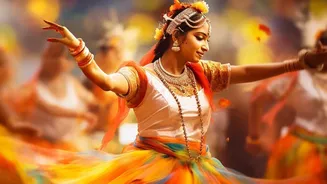
In contrast to the fierce energy of Pulikali, Thiruvathira Kali offers a display of gentle grace and elegance. This traditional group dance is performed by women, who dress in classic white and gold Kerala saris with their hair adorned with jasmine flowers. They move in a circle around a lit lamp (Nilavilakku), their movements synchronized with claps and devotional songs. The dance is known for its simple, yet captivating steps and its expression of feminine grace. While also performed for the Thiruvathira festival in December/January, it has become an integral part of Onam celebrations, representing joy, marital bliss, and the artistic soul of Kerala.