


The Joy of Growing Your Own
In our fast-paced urban lives, a balcony herb garden is more than just a collection of plants; it's a small step towards a more sustainable and mindful lifestyle. Growing your own herbs reduces your carbon footprint by eliminating the need for store-bought
herbs that come with packaging and transportation costs. You also gain complete control over what goes into your food, ensuring your produce is free from harmful pesticides. Beyond sustainability, the convenience is undeniable. Having a fresh supply of herbs means you can elevate your dishes instantly, adding a depth of flavour that dried herbs simply cannot match. It also saves money and reduces food waste, as you can harvest exactly what you need, whenever you need it.
Choosing Your Green Companions
The key to a successful balcony garden in India is choosing herbs that thrive in our climate. Start with a few easy-to-grow varieties. Mint (Pudina) is incredibly resilient and perfect for chutneys and cool drinks. Holy Basil (Tulsi) is a staple in many Indian households for its medicinal properties and is very low-maintenance. Coriander (Dhania) is essential for garnishing, and while it prefers cooler weather, it can be grown successfully with care. Curry Leaves (Kadi Patta) are another must-have for tempering dals and other dishes. For those wanting to experiment, Italian basil, rosemary, and lemongrass also grow well in pots and add an international flair to your cooking.
Your Simple Starter Kit
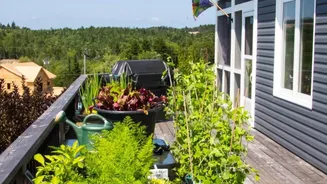
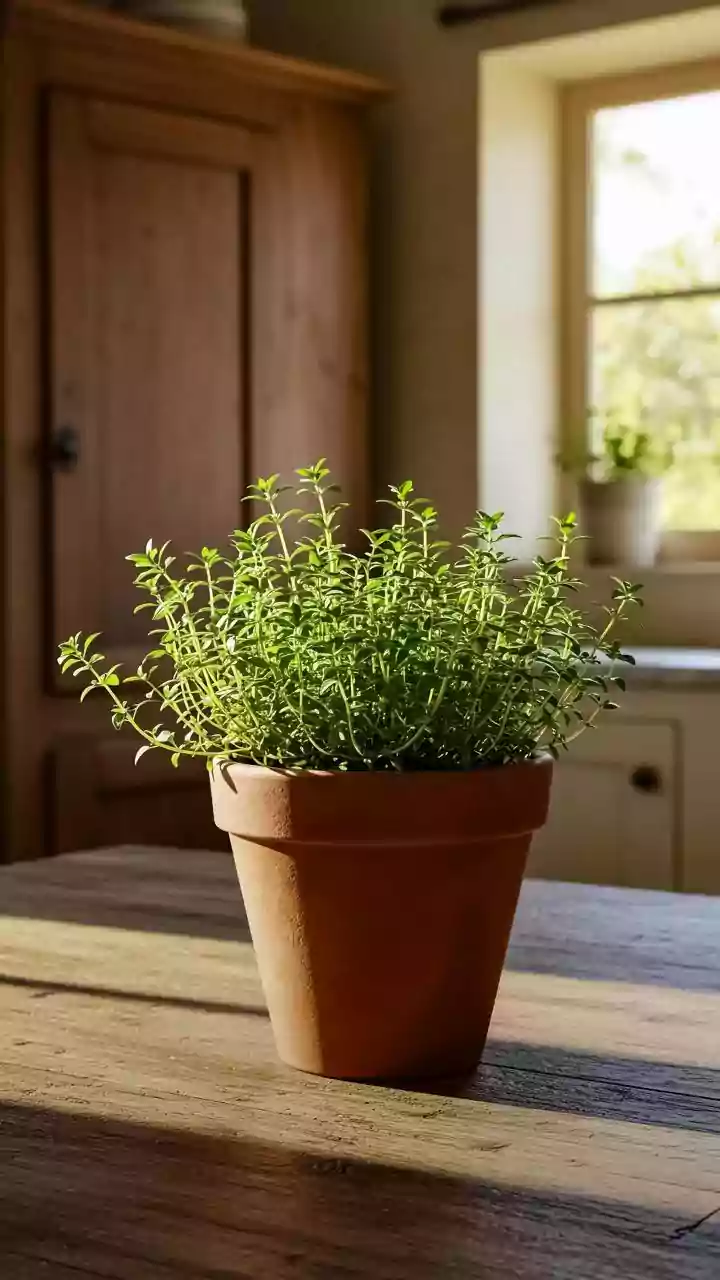
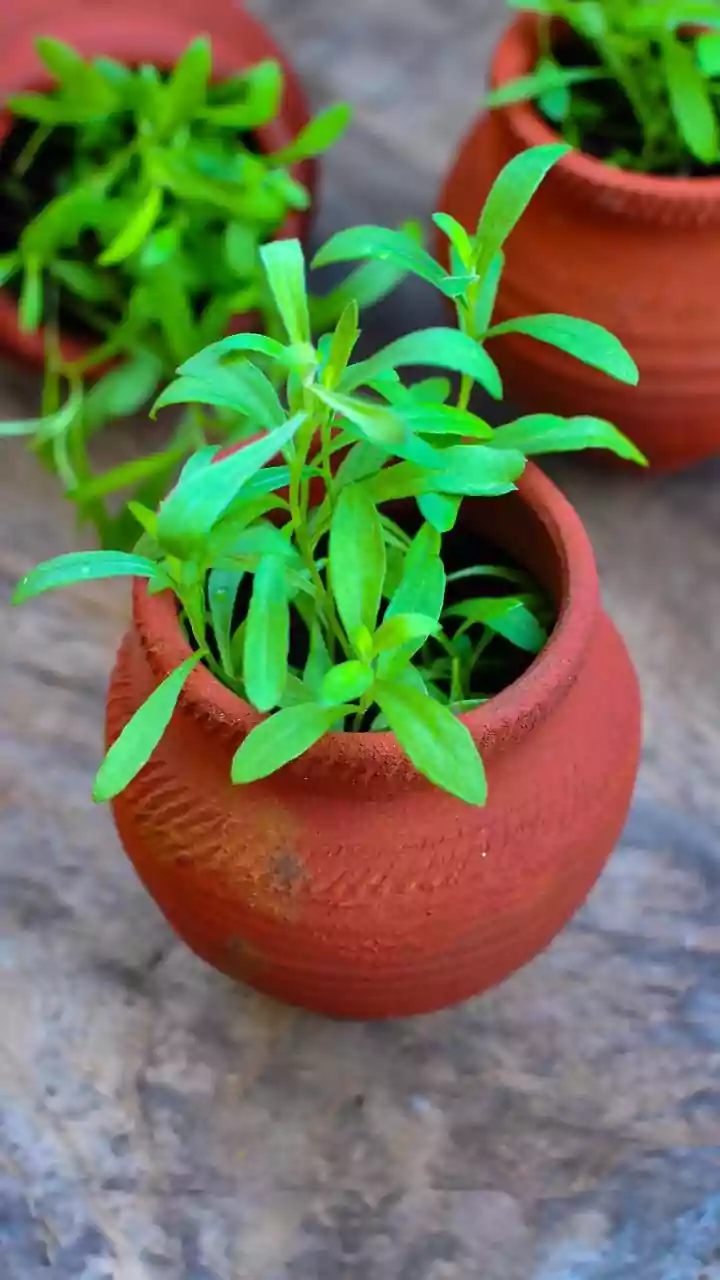
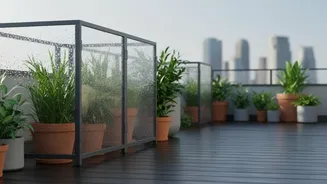
You don't need a lot of expensive equipment to get started. The essentials are simple: containers, soil, and sunlight. Choose containers that have drainage holes to prevent waterlogging, which can lead to root rot. Terracotta pots are a great, breathable option, but you can also get creative and upcycle old buckets, paint cans, or plastic tubs to make your garden more sustainable. For soil, use a well-draining potting mix. A combination of coco peat, compost, and soil is often recommended for container gardening as it's light and nutrient-rich. Most herbs need at least 4-6 hours of sunlight a day, so a south- or west-facing balcony is ideal.
Planting and Nurturing Your Garden
Once you have your supplies, you're ready to plant. You can start from seeds or buy small saplings from a local nursery. Fill your pots with the soil mix, leaving a couple of inches at the top. Sow seeds according to the packet instructions or gently place your sapling in the pot, covering the roots with soil. Water the pot thoroughly after planting. The general rule for watering is to check if the top inch of soil is dry. Be careful not to overwater, as this is a common mistake for beginners. Regular harvesting is also a form of care; trimming your herbs encourages them to grow bushier and more productive. Every few weeks, you can add some compost to provide additional nutrients.
From Balcony to Your Plate
This is where the real magic happens. The convenience of having fresh flavours at your fingertips will transform your cooking. Add a few leaves of fresh mint to your chai or lemonade. Garnish your curries and dals with a handful of freshly chopped coriander. Infuse oils with rosemary for roasting vegetables, or make a simple, delicious pasta sauce with your homegrown basil. The immediate access to these fresh ingredients not only improves the taste and nutritional value of your meals but also connects you more deeply to the food you eat.