








From Brand Loyalty to Ingredient Scrutiny
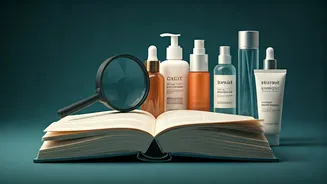
For decades, the Indian skincare aisle was ruled by legacy brands and household names. Today, a new authority reigns: the ingredient list. The modern Indian consumer has transformed into a 'skin-tellectual,' more interested in the concentration of niacinamide
or the source of hyaluronic acid than in a familiar logo. This shift from blind brand loyalty to sharp ingredient scrutiny is the single biggest driver of change in the market. Consumers are no longer just buying a 'brightening serum'; they are specifically looking for formulations with ethyl ascorbic acid, a stable form of Vitamin C. This education, propelled by social media and a growing desire for transparency, has forced brands, both old and new, to reformulate and clearly communicate their products' scientific backing. This ingredient-led demand is even influencing acquisition strategies, with major FMCG firms actively buying science-backed D2C brands.
The Rise of 'Science-Backed' and D2C Brands
Responding to this demand for efficacy, a new wave of 'insurgent' Direct-to-Consumer (D2C) brands has emerged, growing at a pace that significantly outpaces the broader market. Companies like Minimalist, Dr. Sheth's, and The Derma Co. have built their entire identity around transparency and science-backed formulations, challenging the status quo. These digital-first brands speak the language of the new consumer, focusing on 'actives' and 'clean' formulations. Their success has been so profound that established giants are taking notice and acquiring them to tap into this growing segment. This trend highlights a broader move away from purely natural or Ayurvedic products towards a hybrid approach where even traditional ingredients are validated by modern dermatological research. While natural ingredients remain popular, the emphasis is now on proven performance.
Tech at the Vanity Table
The 'smart' cart isn't just about ingredients; it's also about technology. Artificial Intelligence (AI) and Augmented Reality (AR) are rapidly moving from novelty to necessity. Consumers now expect hyper-personalisation, and AI is the only way to deliver it at scale in a market as diverse as India. E-commerce platforms like Nykaa and Flipkart are integrating AI-driven skin analysis tools that provide personalised recommendations, while virtual try-on features for makeup are becoming standard. A 2026 study revealed that nearly 70% of beauty consumers in India use AI for discovery and recommendations. This technology empowers shoppers to make data-driven decisions tailored to their specific skin type, concerns, and even the climate they live in, making the shopping experience more interactive and confident.
The Influencer as Educator
Fueling this entire ecosystem is a new kind of social media personality: the 'skin-fluencer'. Unlike traditional beauty bloggers who focused on makeup looks, these creators dive deep into the science of skincare. They break down complex ingredients, review products with a critical eye, and teach their followers how to build effective routines. Their influence is immense, often seen as more trustworthy than brand advertising because they prioritise education over simple promotion. This peer-driven knowledge sharing has democratised skincare information, allowing consumers in Tier 2 and Tier 3 cities to become just as discerning as their metro counterparts. Brands are increasingly collaborating with these knowledgeable influencers and dermatologists to build credibility and reach a highly engaged audience that values authenticity.