



Barcelona's magnetic charm draws millions, but its most beloved landmarks are groaning under the weight of their own popularity. This has led to growing scrutiny and new rules aimed at managing the crowds and preserving the city's character.
The Price of Popularity
For years,
Barcelona has been a top-tier global destination, celebrated for its unique architecture, vibrant street life, and coastal allure. But with an estimated 16 million visitors in 2025 in a city of 1.7 million residents, the strains of overtourism have become impossible to ignore. Residents complain of crowded public spaces, strained services, and a housing market where tourist rentals are driving up prices. In response, city officials have begun implementing measures to manage the flow of people and protect the quality of life for locals, putting its most famous attractions under a microscope. For travellers, this doesn't mean Barcelona is off-limits; it means a more conscious approach is needed.
La Sagrada Familia: Faith and Foot Traffic
Gaudí's unfinished masterpiece is the city's most-visited site, welcoming around 4.7 million people inside annually, with millions more congregating outside. This intense concentration has led to clogged pavements and friction with the neighbourhood. In response, the city is developing a plan to create a large public square to give tourists a dedicated space for photos, aiming to ease congestion. Your best strategy is to book a timed-entry ticket online weeks, or even months, in advance. The quietest time to visit is the first hour after opening, between 9 AM and 10 AM, before large tour groups arrive. If you want to experience the basilica's famous light, late afternoon offers a magical glow through the stained glass windows.
Park Güell: Preserving Gaudí's Vision
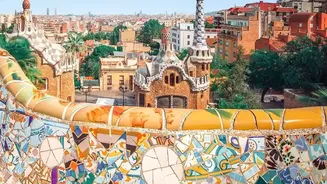
Once a freely accessible park, the core 'Monumental Zone' of Park Güell now requires a ticket with a timed entry to manage the sheer volume of visitors and protect the delicate mosaic work. Recently, the city decided to further reduce the number of tickets sold annually from 4.5 million to 4 million by 2027. Tickets are only sold online and must be booked in advance for a specific 30-minute entry window. Once you're inside the paid zone you can stay as long as you like, but re-entry is not permitted. For a more relaxed experience, explore the extensive surrounding park area, which remains free to access and offers fantastic views of the city without the queues.
Las Ramblas and the Gothic Quarter: Heart of the Crowd
This historic heart of Barcelona is a magnet for tourists, but its popularity has made it a hotspot for pickpockets and tourist-trap businesses. For locals, navigating the dense crowds can be a daily struggle. The key to enjoying this area is to visit strategically. Head out early in the morning, before 10 AM, to see the medieval streets without the midday crush. Instead of sticking to the main artery of La Rambla, dive into the labyrinthine side streets of the Barri Gòtic, where you'll find authentic boutiques, quiet plazas, and a glimpse of the neighbourhood's true character. Be vigilant with your belongings, especially in crowded spots and at night.
La Boqueria Market: A Feast for the Senses, Not Just Selfies
La Boqueria is both a world-famous tourist destination and a functioning market where locals and chefs shop for fresh produce. The conflict between these two identities is palpable, especially during peak hours. To be a respectful visitor, avoid the midday rush when it's most crowded. The best time to go is between 8 AM and 10 AM on a weekday, when the aisles are clearer and the stalls are freshly stocked. Make a point to venture past the colourful juice and fruit cup stalls at the entrance, which are aimed squarely at tourists. Deeper inside, you'll find the fishmongers, butchers, and traditional tapas counters that give the market its soul. Better yet, support the vendors by buying something delicious instead of just taking photos.