







The Flavour Collision We Ignore
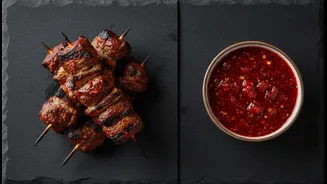
We've all done it. You spend hours marinating and carefully grilling or pan-frying beautiful kebabs, only to dunk them into a potent mint or tamarind chutney. While delicious in their own right, many popular chutneys are flavour powerhouses. They are designed
to be sharp, spicy, tangy, and sweet, often all at once. The problem is, this assertive profile can completely overwhelm the subtler, more complex notes of a well-made kebab, particularly those with a delicate smoky aroma. Think of it as putting a beautiful, hand-embroidered shawl over a simple, elegant kurta; you lose the beauty of the kurta's fine weave. Similarly, the robust nature of many chutneys can flatten the nuanced layers of spice and smoke that define a great kebab, turning a complex dish into a one-note experience.
Let the Smoke Sing
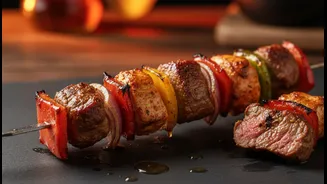
The magic of many regional Indian kebabs lies in their smokiness and the intricacy of their spice blends. Consider the legendary Galouti kebab from Lucknow, so soft it was created for a Nawab without teeth. Its melt-in-the-mouth texture comes from finely minced meat tenderised with raw papaya and infused with over a dozen delicate spices like saffron and kewra. Or the Kakori kebab, another Awadhi masterpiece known for its silky texture and aromatic subtlety. Tandoor-cooked kebabs, like seekh or boti, carry the unmistakable char and aroma from the clay oven. This smokiness is not just a taste; it's a complex collection of flavour molecules absorbed by the food during cooking. Dousing these creations in a strong chutney is like playing loud music at a poetry reading—the main event gets lost in the noise.
What to Serve with Kebabs Instead
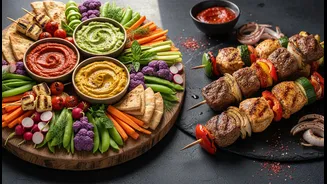
Separating kebabs from chutney doesn't mean serving them naked. It’s an opportunity to find more complementary partners. For smoky and delicately spiced kebabs, think of accompaniments that cleanse the palate or provide a textural contrast without a flavour takeover. A simple kachumber salad (diced onion, tomato, cucumber) with a squeeze of lime offers a refreshing crunch. Pickled onions, or lachha pyaaz, provide a sharp, tangy counterpoint that cuts through the richness of the meat or paneer. A light, creamy yogurt-based dip, perhaps with a hint of roasted cumin, can cool the palate without masking the kebab's flavour. Even serving them simply with a wedge of lime to brighten the flavours and some fresh onion rings allows the craftsmanship of the kebab to take centre stage.
A New Job for Your Chutney
This is not an argument against chutney. Chutneys are a glorious and essential part of Indian cuisine. A punchy cilantro-mint chutney or a sweet-and-sour tamarind chutney has its perfect place—just maybe not with your most refined kebabs. Use their bold flavours to lift simpler dishes. Pair them with fried snacks like samosas, pakoras, or bhajiyas, where the chutney’s acidity cuts through the oiliness beautifully. They are also fantastic as a spread in sandwiches and wraps, or as a vibrant dipping sauce for steamed snacks like dhokla. A robust green chutney can transform a simple dal and rice meal. By giving chutneys a different role, you allow them to shine in pairings where their strong personality is an asset, not a bully.
The Vegetarian Kebab Dilemma
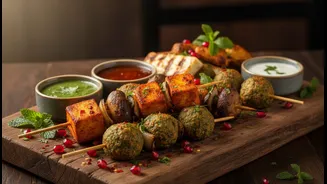
This principle is especially crucial for vegetarian kebabs. Whether made from rajma, dahi, or mixed vegetables, these kebabs often have a subtler, more earthy flavour profile than their meat-based counterparts. A Veg Galouti, for instance, relies on the creamy texture of beans and potatoes combined with aromatic spices to create its signature melt-in-the-mouth quality. Overpowering this with a dominant chutney means you miss the entire point of the delicate preparation. For paneer tikka, where the primary flavours are the creamy cheese, the yogurt marinade, and the smokiness from the tandoor, a milder accompaniment is far more effective at highlighting its quality. Give your veggie kebabs the respect they deserve and pair them with something that lets their inherent flavours be the star.