
From Heirloom to High-Street Chic
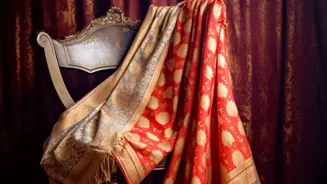
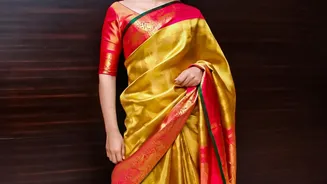
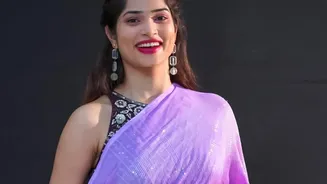
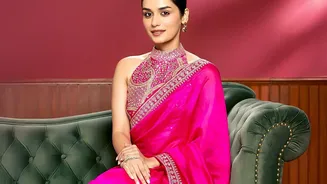
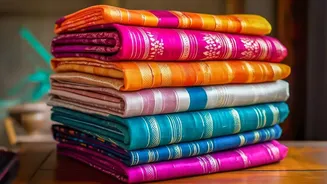
In closets across India, vintage silk sarees hold stories of weddings, festivals, and family milestones. But for a generation that values versatility and personal style, the traditional six-yard drape can feel limited to special occasions. Now, young
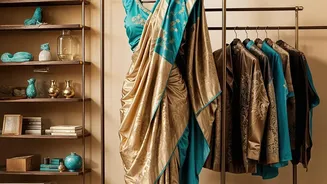
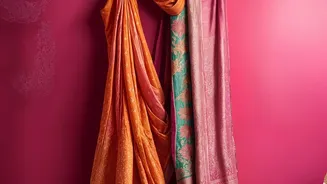
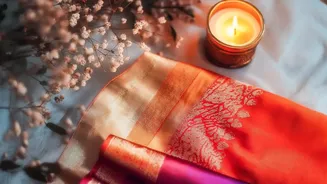
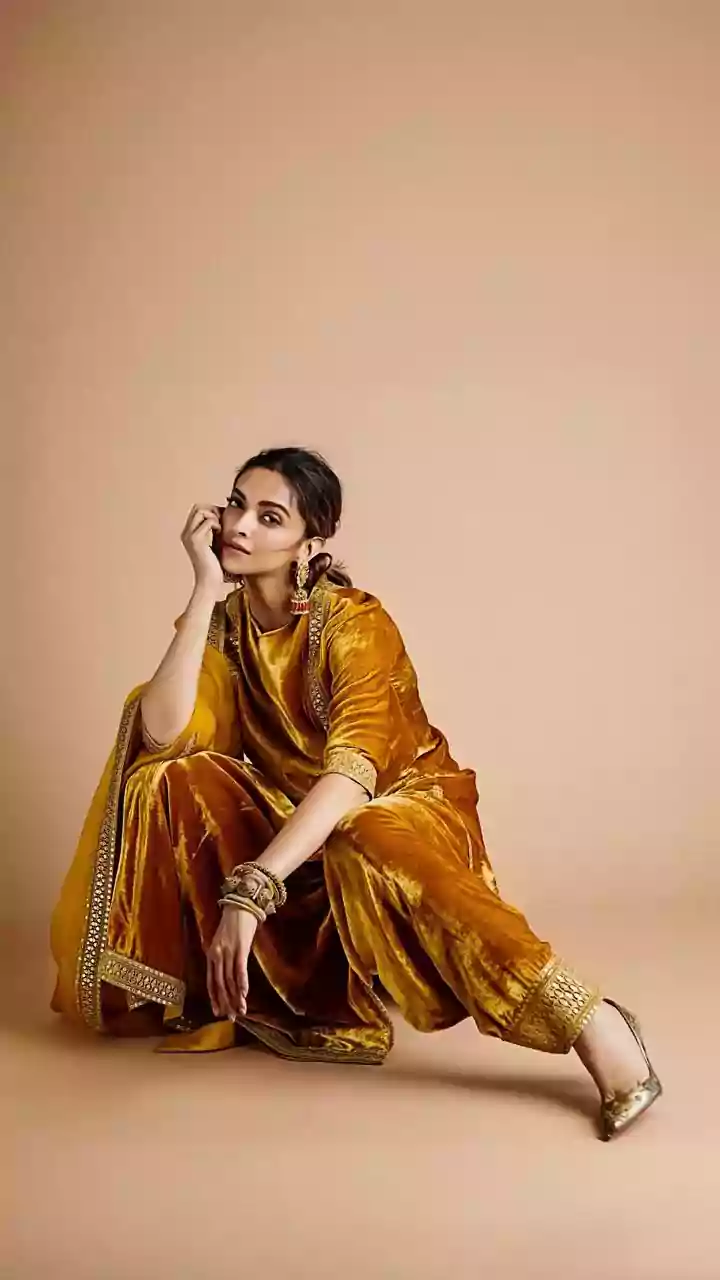
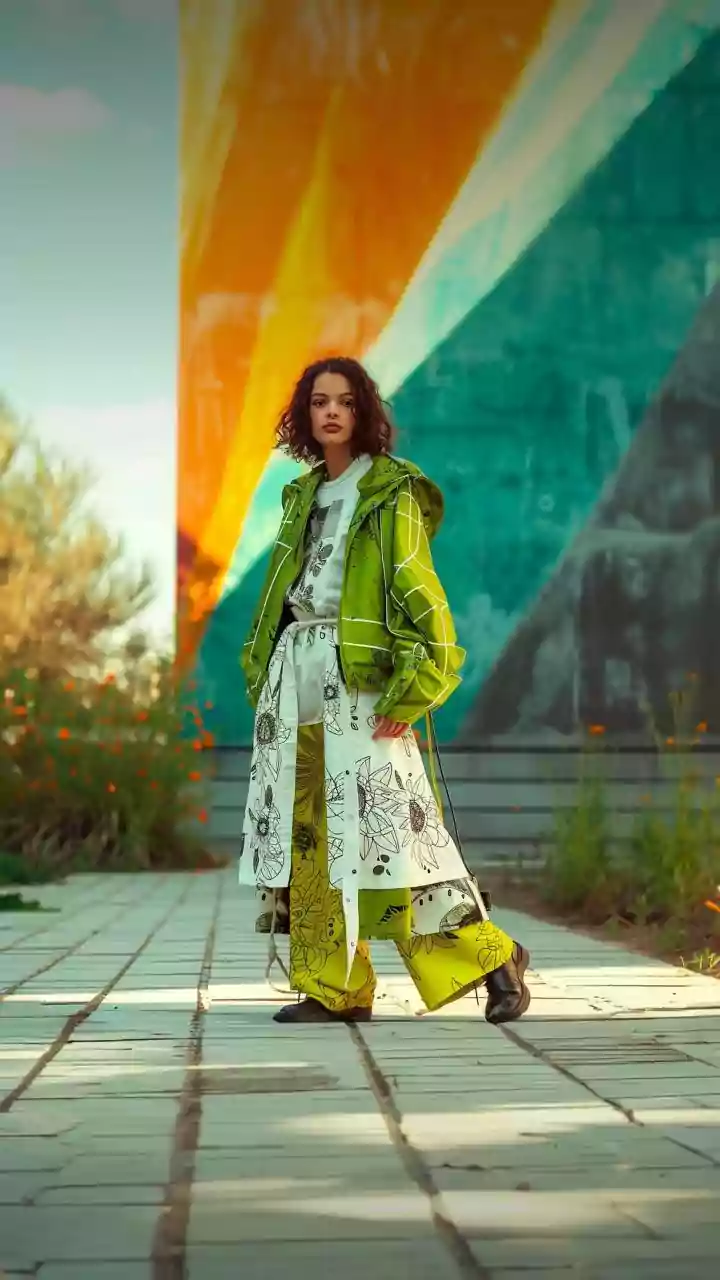
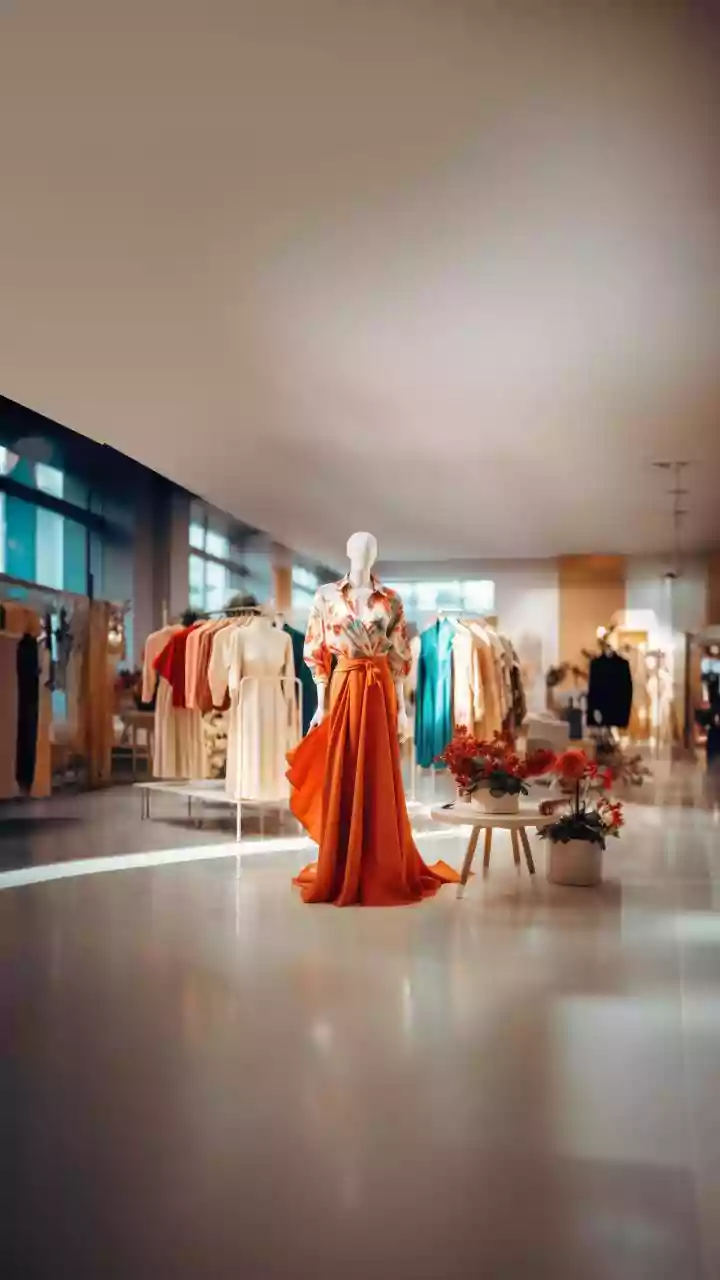
fashion lovers and innovative designers are giving these gorgeous textiles a second act. They are meticulously cutting and refashioning treasured Banarasi, Kanjivaram, and Chanderi sarees into contemporary co-ord sets—stylish matching two-piece outfits, like a crop top paired with trousers or a skirt. This isn't about discarding the old; it's about reinventing it. The rich brocades, intricate zari work, and unique motifs that define a vintage saree are preserved, but presented in a silhouette that feels fresh, modern, and wearable for a brunch, a concert, or a creative workplace.
The Sustainable Stitch
This trend is about more than just aesthetics; it's a powerful statement against fast fashion. Upcycling, the process of transforming existing materials into something new, is at the heart of this movement. It offers a creative and beautiful solution to textile waste, a significant issue in the fashion industry. By giving a vintage saree a new life as a co-ord set, consumers participate in a circular economy, extending the fabric's lifespan and reducing their carbon footprint. For Gen Z, a generation increasingly drawn to conscious consumption, the appeal is twofold: they get a one-of-a-kind outfit while making an environmentally responsible choice. This approach honours the craftsmanship of the original weave and the resources that went into creating it, ensuring that beautiful textiles are cherished rather than discarded.
A New Drape on Tradition
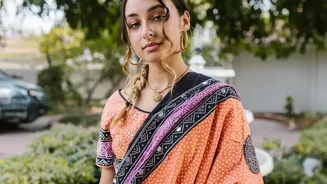
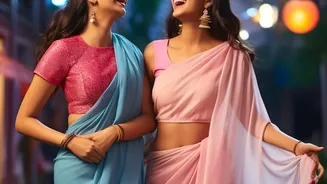
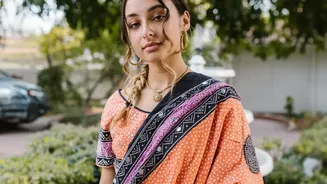
For many young Indians, this trend is also a way to connect with their heritage on their own terms. They admire the beauty and cultural significance of handloom sarees but seek ways to integrate them into their everyday lives. Turning a family heirloom into a modern silhouette like a corset top and pants set or a smart jacket and skirt allows them to wear a piece of their family's history with pride and confidence. It bridges the gap between past and present, blending the nostalgia of a mother's or grandmother's saree with the global, contemporary fashion sensibilities of today. This fusion creates a look that is deeply personal, culturally rooted, and undeniably cool, rewriting the rules on how traditional Indian textiles can be worn.
The Minds Behind the Makeover
A growing number of homegrown labels and independent designers are championing this upcycling movement. Brands like Manai, Kumari Sari, and Priyanka Raajiv are gaining recognition for their innovative approach to repurposing textiles. They source vintage sarees from personal collections and vendors, seeing potential in fabrics that might otherwise be forgotten. The process is a testament to creativity, requiring a skilled eye to decide which part of the saree—the elaborate pallu or the patterned body—will become the top, trousers, or jacket. Beyond professional designers, a DIY spirit is also taking hold. Armed with inspiration from social media and a trusted local tailor, fashion-forward individuals are raiding their own family trunks to create bespoke pieces that tell a unique story.
Is This a Lasting Legacy?
While fashion is known for its fleeting trends, the shift towards upcycling sarees feels more significant. It’s a convergence of several major cultural currents: the search for sustainability, a renewed pride in Indian craftsmanship, and the desire for unique self-expression. This is not just about a new outfit; it’s about a new mindset. It treats heritage textiles not as untouchable relics but as living fabrics with evolving stories. The co-ord set is today's popular silhouette, but the underlying principle of honouring and reinventing these fabrics has the potential to endure. By transforming a single saree into a versatile ensemble, this trend ensures that the legacy of India's weaving traditions continues to drape the next generation, just in a different style.