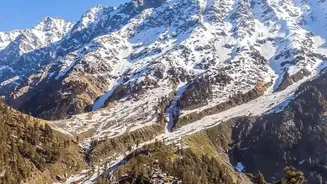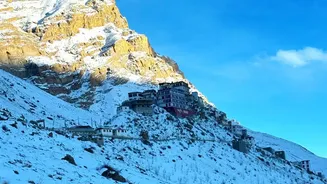

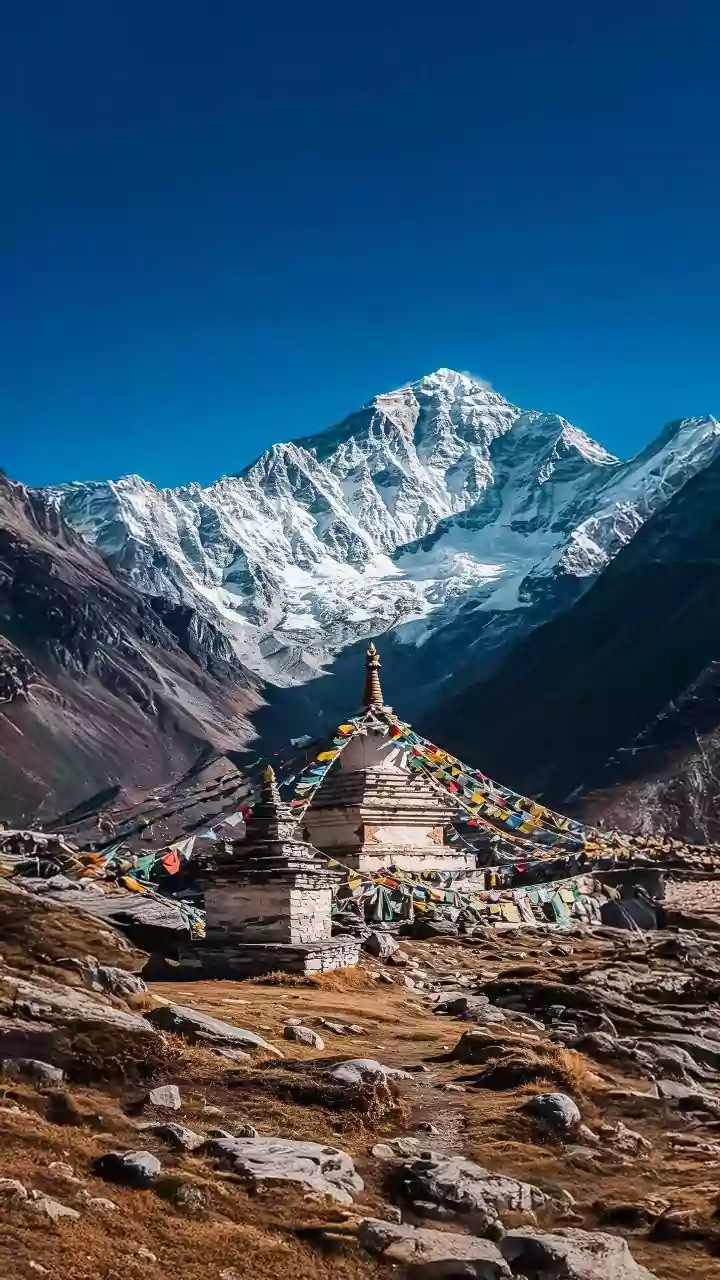




When Kashmir is draped in winter white, its beauty is undeniable. But heavy snow often means closed roads, limiting travel. This guide helps you explore stunning, accessible destinations beyond the ever-popular slopes of Gulmarg.
The Winter Reality: Key Road Closures
Planning a winter trip
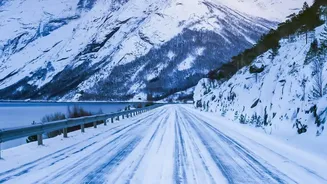
to Kashmir requires a realistic understanding of which routes are open. Heavy snowfall, particularly from December to February, leads to the closure of several high-altitude passes that are popular in summer. The most significant closures are the Zoji La pass on the Srinagar-Leh highway and the Mughal Road, which connects Shopian in the Kashmir Valley with Poonch and Rajouri. These routes become impassable due to immense snow accumulation and avalanche risks. While the main Jammu-Srinagar National Highway (NH-44) generally remains open, it is also susceptible to temporary closures from landslides or heavy snow, so building buffer days into your itinerary is crucial. The key is to focus on what is accessible rather than what is not.
Pahalgam: A Serene Winter Alternative
While Gulmarg is famous for skiing, Pahalgam, the 'Valley of Shepherds', offers a quieter, more serene winter experience. Located about 90 km from Srinagar, the town remains accessible throughout winter. The landscape transforms as the Lidder River flows past snow-covered banks and pine forests are dusted with white. Activities here are more relaxed, focusing on snow walks, sledging, and photography. While the main town is accessible, the roads to higher-altitude spots like Aru Valley and Chandanwari can close after heavy snowfall, so it is essential to check their status on the day of your visit. Betaab Valley, however, is usually accessible and offers picturesque snowy landscapes. Always confirm with local drivers or authorities before planning side trips from Pahalgam.
Sonamarg: Now an All-Weather Destination
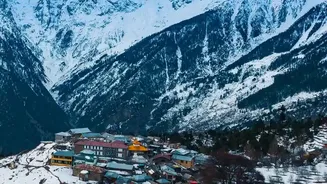
Historically, Sonamarg was cut off during winter. However, the opening of the Z-Morh tunnel in early 2025 has made the 'Meadow of Gold' an all-weather destination. This tunnel bypasses a major avalanche-prone zone, ensuring the road from Srinagar to Sonamarg town remains open on most winter days. This allows travellers to experience its dramatic, high-altitude snowscapes, which are often more pristine than other crowded spots. While the town is now reachable, it's important to set expectations. Access to the Thajiwas Glacier might be restricted due to deep snow on the approach path, and the Zoji La pass further ahead remains closed. A day trip from Srinagar is a popular and practical way to experience Sonamarg's winter beauty.
Exploring Offbeat Meadows: Doodhpathri & Yusmarg
For those seeking solitude, the meadows of Doodhpathri ('Valley of Milk') and Yusmarg are incredible offbeat options, but their accessibility is highly conditional. Located in Budgam district, both destinations turn into vast, undisturbed sheets of snow. However, after heavy snowfall, the roads leading to them can be shut for days or even weeks. Unlike Gulmarg, snow_clearing operations here are not always a top priority. The best approach is to treat them as a 'bonus' trip. If you wake up to a clear day with no recent heavy snow, hire a local cab, preferably a 4x4, and check the road status before you leave Srinagar. These trips should not be prepaid or fixed rigidly in an itinerary.
Practical Tips for Winter Travel
Navigating Kashmir in winter is rewarding with the right preparation. Always hire an experienced local driver with a vehicle suited for snow, often a 4x4 with snow chains for routes like the ascent to Gulmarg. Check the daily traffic advisories from the local traffic police before starting any journey. Flexibility is your best asset; be prepared for delays or changes in your plan due to weather. Pack for sub_zero temperatures with thermal layers, waterproof insulated jackets, gloves, warm hats, and sturdy, waterproof boots. Finally, especially for destinations beyond the main tourist hubs, confirm that your accommodation has adequate heating, like a 'bukhari' or central heating, and hot water, as nights can be intensely cold.