

Vrat-Friendly Flours and Grains
Many devotees observe a fast (vrat) on Janmashtami, abstaining from regular grains like wheat and rice. Your shopping list should therefore include special fasting-compliant flours and grains. Look for Kuttu ka Atta (buckwheat flour), which is used to
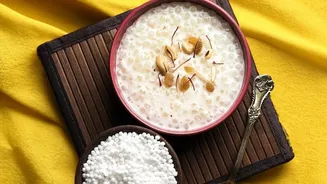
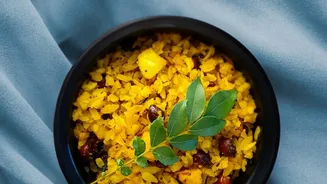
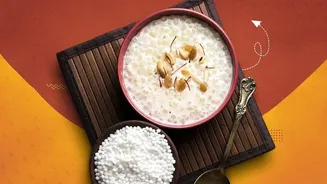
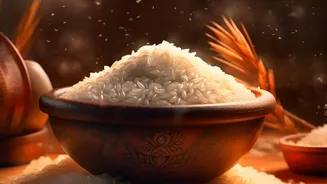
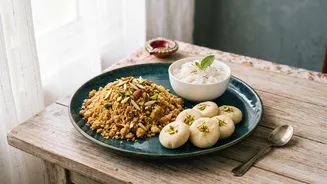
make puris and pakoras. Another essential is Singhare ka Atta (water chestnut flour), perfect for making halwa or chapatis. Also, pick up a packet of Sama ke Chawal (barnyard millet), a popular rice substitute used to prepare khichdi or kheer. Sabudana (tapioca pearls) are a must-have for making creamy khichdi, crispy vadas, or a sweet kheer. These ingredients form the base of most savoury and filling fasting meals.
The Heart of the Celebration: Dairy
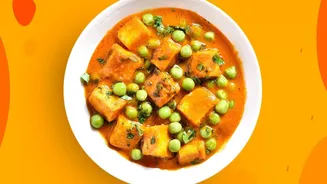
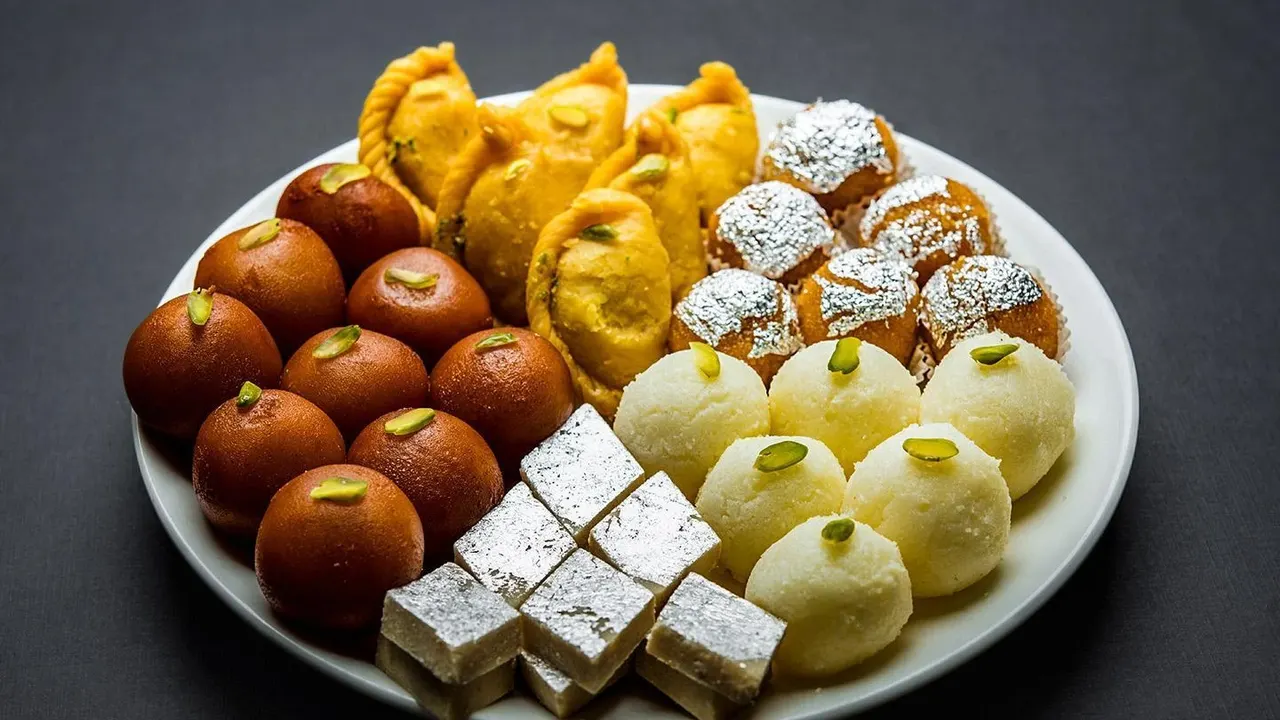
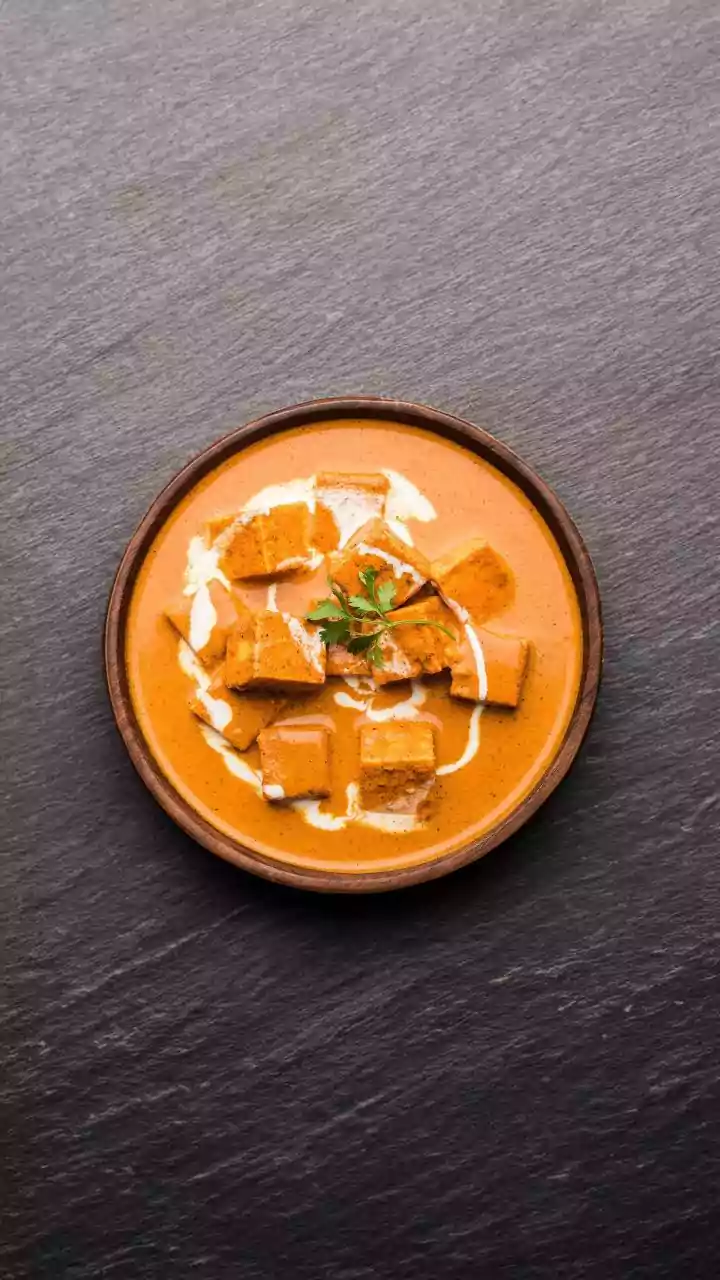
Lord Krishna's fondness for milk and milk products makes dairy the centerpiece of Janmashtami cuisine. Your list must include fresh, full-cream milk, which is the foundation for kheer, panchamrit, and various sweets. Next, add Dahi (curd or yogurt) for making refreshing raita and as a key component of Panchamrit. Unsalted white butter (makkhan) is essential for preparing Makhan Mishri, believed to be one of Krishna's favourite foods. Ghee is the primary cooking medium for nearly all Janmashtami dishes, from frying puris to roasting panjiri, so a quality jar is indispensable. Finally, consider buying Khoya (mawa) or Paneer (fresh cheese) for richer sweets and gravies.
Essential Spices and Sweeteners
During a Janmashtami fast, regular table salt is avoided. The key seasoning to buy is Sendha Namak (rock salt). For flavouring, stock up on whole spices like Jeera (cumin seeds), Kali Mirch (black peppercorns), and green cardamom pods (elaichi). These are used to temper vegetable dishes and add aroma to sweets. For preparing the special Dhaniya Panjiri, you will need a good quantity of Dhaniya (coriander powder). When it comes to sweeteners, sugar is a staple for most sweets. Mishri (rock sugar) is specifically needed for the classic Makhan Mishri offering. Many households also use jaggery or honey as natural sweeteners in various preparations.
Nuts and Dry Fruits for Richness
Dry fruits and nuts are used generously to add richness, texture, and flavour to both sweet and savoury dishes. Your shopping basket should include almonds (badam), cashews (kaju), and pistachios (pista), which are often chopped and used as a garnish for kheer, halwa, and panjiri. Raisins add a touch of sweetness to many preparations. A particularly important item is Makhana (fox nuts). They can be roasted for a simple snack, added to vegetable dishes, or used to make a delicious and creamy kheer. These not only enhance taste but also provide energy during the fasting period.
Fresh Produce: Fruits and Vegetables
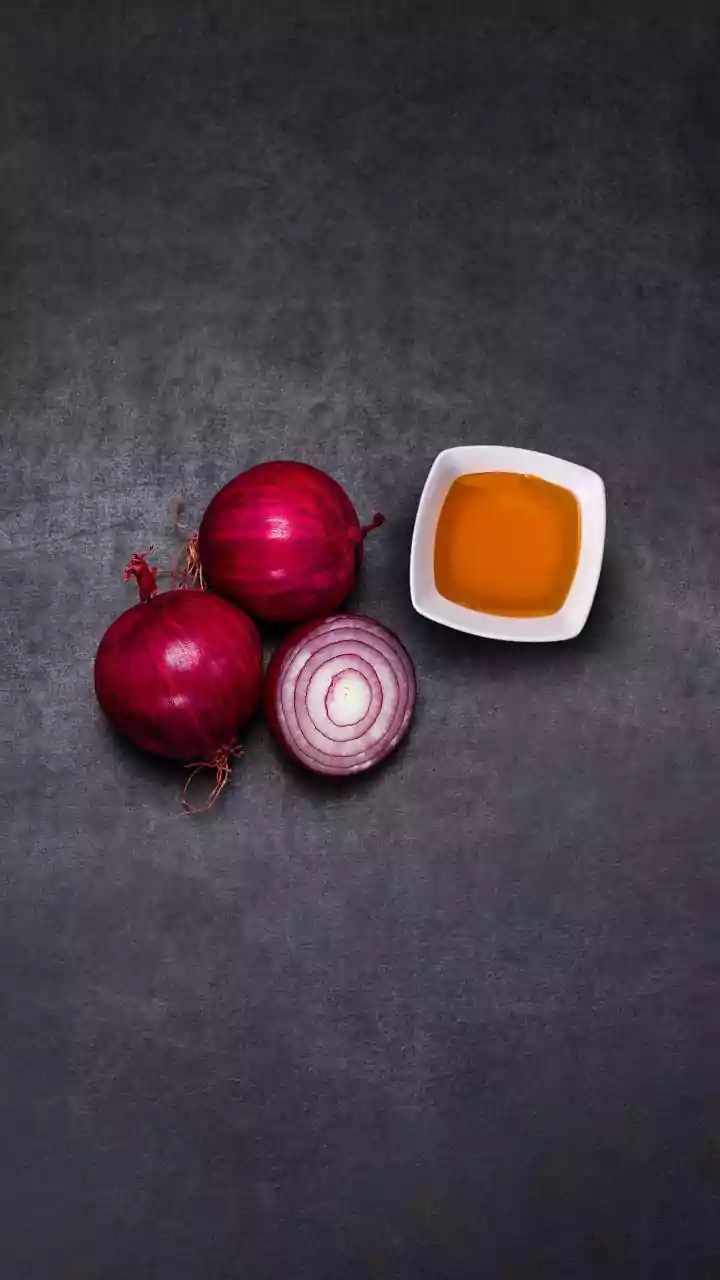
Fresh fruits are a significant part of the bhog (offering) and are also consumed during the fast. Bananas, apples, pomegranates, and pears are excellent choices to have on hand. When it comes to vegetables, the options are more specific for fasting. Potatoes are a versatile staple, used in everything from simple stir-fries to puris. Other vrat-friendly vegetables to buy include lauki (bottle gourd), arbi (colocasia root), pumpkin, and sweet potatoes. Remember that onions and garlic are strictly avoided in all Janmashtami food preparations.
For the Sacred Offerings: Bhog Items
Certain items are specifically needed for the main religious offerings. The most important is Panchamrit, a sacred concoction made from five ingredients: milk, curd, honey, ghee, and sugar. Ensure you have all five for the midnight puja. Tulsi (holy basil) leaves are considered indispensable for any offering to Lord Krishna, so try to source some fresh leaves. A peacock feather and a small flute are not food items, but are often placed near the deity as symbolic offerings representing Lord Krishna.