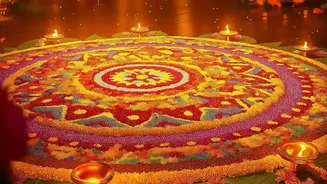


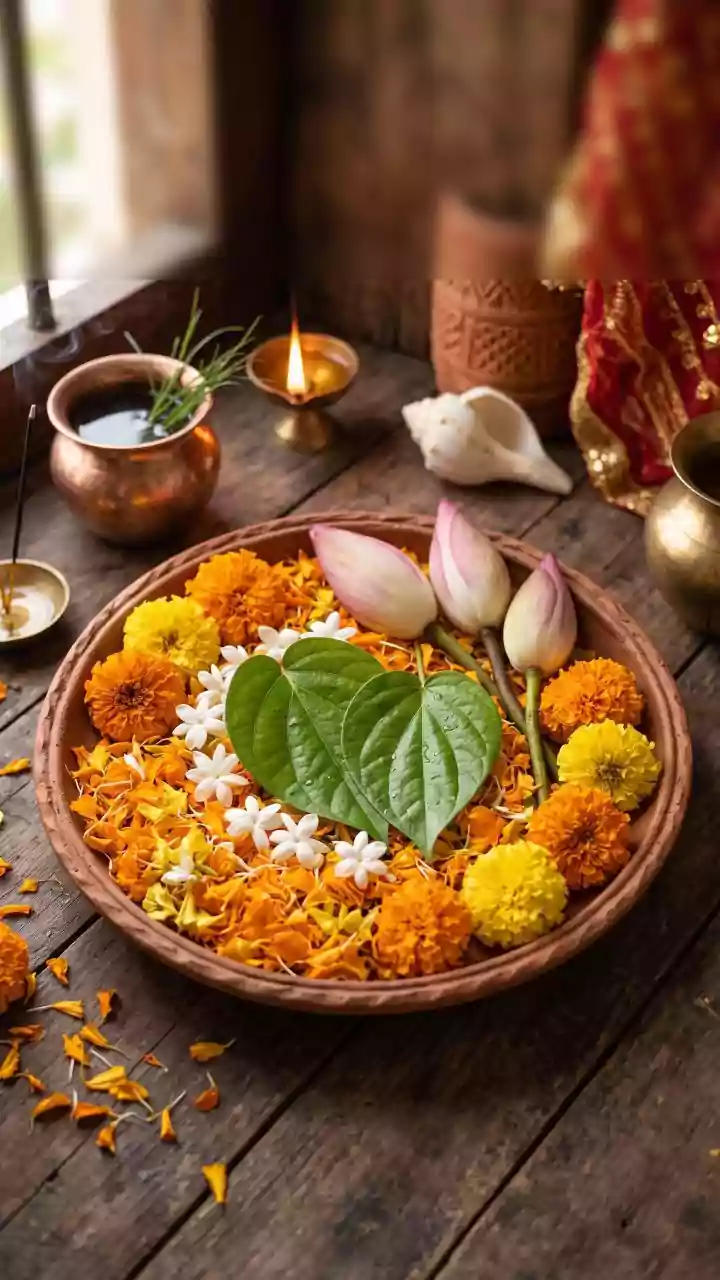

In 2026, the main day of Diwali falls on November 8, uniting India in a spectacle of light. But this beloved festival of lights shines differently across the country, with unique rituals, foods, and stories painting a rich tapestry of cultural diversity.
North India: A Five-Day Epic
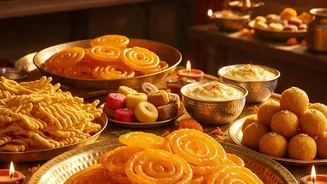
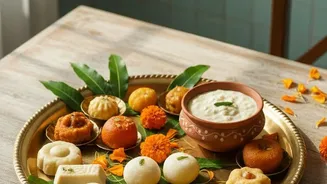
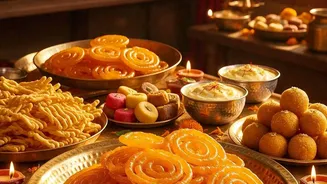
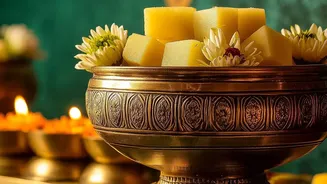
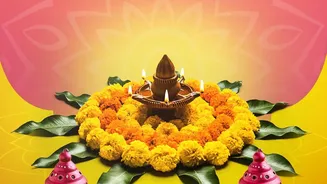
In states like Uttar Pradesh, Punjab, and Haryana, Diwali is a grand five-day affair rooted in the story of Lord Rama's return to Ayodhya after 14 years of exile. The celebration begins with Dhanteras, an auspicious day for buying utensils and gold, and moves to Naraka Chaturdashi, or Choti Diwali. The main event is Lakshmi Puja on the third day, when homes shimmer with rows of diyas and vibrant rangoli to welcome the goddess of wealth. Day four is Govardhan Puja, a festival commemorating Lord Krishna lifting a mountain to protect villagers. Devotees prepare a 'mountain of food' called Annakut, featuring 56 dishes, offered to the deity. The festival concludes with Bhai Dooj, celebrating the bond between brothers and sisters. Throughout, the air is filled with the aroma of sweets like gujiya, kaju katli, and jalebi.
East India: The Night of the Fierce Goddess
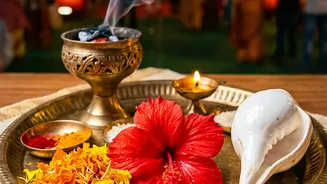
Travel east to West Bengal, and you'll find that the darkest night of the year is dedicated not to Lakshmi, but to the fierce Goddess Kali. Known as Kali Puja or Shyama Puja, the festival coincides with Diwali, celebrating the divine feminine force who destroys evil. Elaborate pandals, similar to those seen during Durga Puja, house magnificent and often intimidating idols of the goddess. Tantric traditions and midnight prayers mark the occasion, with offerings of red hibiscus flowers, sweets, rice, and lentils. On the evening before, known as Bhoot Chaturdashi, Bengalis light fourteen lamps to honour their ancestors and ward off evil spirits. The atmosphere is a unique blend of solemn ritual and festive celebration, illuminating Bengal's deep spiritual traditions.
Maharashtra: Cows, Baths, and Savoury Feasts
In Maharashtra, the Diwali festivities begin with Vasu Baras, a unique ritual honouring cows and their calves. Married women perform puja for the cows, showing gratitude for their nurturing role. This is followed by Dhanteras and then Narak Chaturdashi, when a special pre-dawn oil bath, called Abhyanga Snan, is a key tradition. Instead of just sweets, Maharashtrians prepare a delightful assortment of snacks known as 'Faral'. Platters are laden with savoury items like chakli and chivda alongside sweets like karanji (a cousin of the gujiya) and shankarpali. The main Lakshmi Pujan is performed on the new moon day, where not just money but also the household broom is worshipped as a symbol of wealth. The celebrations end with Bhaubeej, the Maharashtrian version of Bhai Dooj.
South India: A Pre-Dawn Celebration
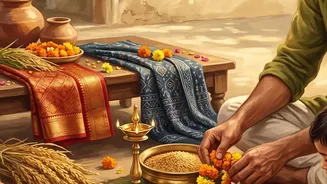
In Southern states like Tamil Nadu and Karnataka, the main day of celebration is Naraka Chaturdashi, which often falls a day before the North Indian Diwali. Here, the festival commemorates Lord Krishna's victory over the demon Narakasura. The day begins before sunrise with a customary oil bath, a ritual believed to be as purifying as taking a dip in the holy Ganga. In Tamil Nadu, families decorate their homes with intricate 'kolam' (rangoli) and prepare a special medicinal paste called 'Deepavali Marundhu'. After the bath, families wear new clothes and share sweets. While rows of diyas are less common than in the north, the sky is lit up with fireworks to celebrate the triumph of good over evil.