
The Plant-Based Iron Challenge
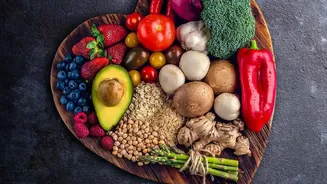
A diet rich in dals, legumes, seeds, and leafy greens is packed with goodness, but there’s a catch. The iron found in these plant foods, known as non-heme iron, is notoriously difficult for our bodies to absorb. Unlike heme iron from animal sources, which
is readily absorbed, non-heme iron's bioavailability can be as low as 2%. This is because plants contain natural compounds like phytates (in grains and legumes) and oxalates (in spinach) that bind to iron, preventing it from being effectively used by your body. This can be a significant concern, especially in India, where a large portion of the population relies on vegetarian diets and iron deficiency remains a common health issue.
Vitamin C: The Key to Unlocking Nutrients
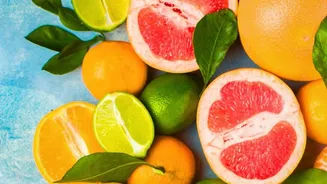
This is where Vitamin C, or ascorbic acid, steps in as a nutritional superhero. When consumed in the same meal, Vitamin C works in two crucial ways. First, it converts the plant-based ferric iron (Fe3+) into the more soluble ferrous iron (Fe2+), a form that your intestines can easily absorb. Second, it forms a protective, soluble complex with the iron, shielding it from the effects of inhibitors like phytates and tannins (found in tea and coffee). This simple chemical reaction ensures that the iron remains available for your body to take in as it moves through your digestive system. Studies have shown that adding even a moderate amount of Vitamin C to a meal can significantly boost iron absorption, in some cases by as much as 67%.
Practical Pairings for Your Indian Kitchen
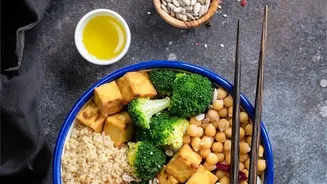
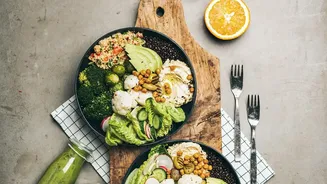
Maximising your micronutrient intake doesn’t require complicated recipes or exotic ingredients. The best pairings are often the most traditional. Think of squeezing fresh lemon juice over your bowl of dal or sambar; the lemon is your Vitamin C source enhancing the iron from the lentils. A simple kachumber salad with tomatoes, onions, and cucumber served alongside a spinach sabzi does the same job, as the tomatoes are rich in Vitamin C that counteracts the iron-blocking oxalates in spinach. Other powerful combinations include pairing chickpea curry (chole) with onions and tomatoes, having ragi rotis with a side of tomato chutney, or making a stir-fry with tofu or soy chunks and colourful bell peppers. Fruits like amla and guava are also local powerhouses of Vitamin C that can be eaten around mealtimes.
Beyond Iron: Does It Help With Zinc?
While the connection between Vitamin C and iron absorption is well-established, its effect on other minerals like zinc is also a topic of interest. Like iron, zinc from plant sources can be hindered by phytates. Some evidence suggests that sulphur compounds, found in onions and garlic, can help increase the absorption of both iron and zinc from foods like chickpeas. While the direct impact of Vitamin C on zinc absorption is not as pronounced as with iron, pairing zinc-rich plant foods like pumpkin seeds or legumes with a source of Vitamin C can still be beneficial. The overall synergy of nutrients in whole foods often works together to improve health.
What to Watch Out For
Just as Vitamin C enhances absorption, other common habits can unfortunately work against it. The tannins in tea and coffee are powerful inhibitors of iron absorption. To get the most from your iron-rich meals, it's best to avoid drinking tea or coffee for at least an hour before or after eating. Similarly, high amounts of calcium from dairy products can compete with both heme and non-heme iron for absorption. This doesn't mean you must give up these items, but rather be mindful of timing. Enjoy your chai or coffee between meals, not with them, to ensure your body can take full advantage of the iron on your plate.