



From 'Me' to 'We' Time
The new era of wellness is less about isolated self-improvement and more about shared experience and community. In the wake of global events that fostered deep social disconnectedness, travellers are now actively seeking connection. This has given rise
to retreats built around friendship, group activities, and communal spaces designed for genuine interaction. Instead of silent meditation halls, picture shared meals, group hikes, and workshops where connection is the main event. Wellness spaces are evolving into “third spaces”—places outside of home and work where people can gather, linger, and forge a sense of belonging.
The Rise of 'Soft Wellness'
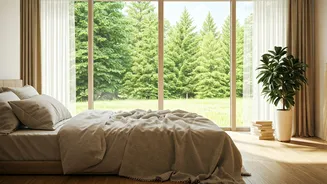
Alongside the social shift is a move away from extreme, punishing routines. The concept of "soft wellness" is gaining traction, pushing back against the "all-or-nothing" mindset of intense challenges. Travellers are trading high-intensity bootcamps for more gentle and sustainable practices. This trend prioritizes rest, enjoyment, and balance over burnout. The goal is no longer to conquer a physical challenge but to find restorative practices that feel good and can be maintained long after the trip is over. It reflects a broader cultural understanding that true well-being isn't about deprivation, but about nourishment and joy.
What a Soft and Social Trip Looks Like
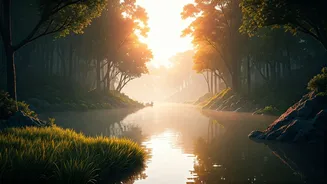
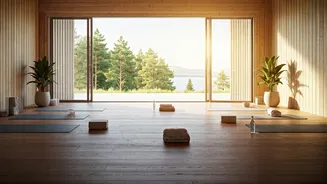
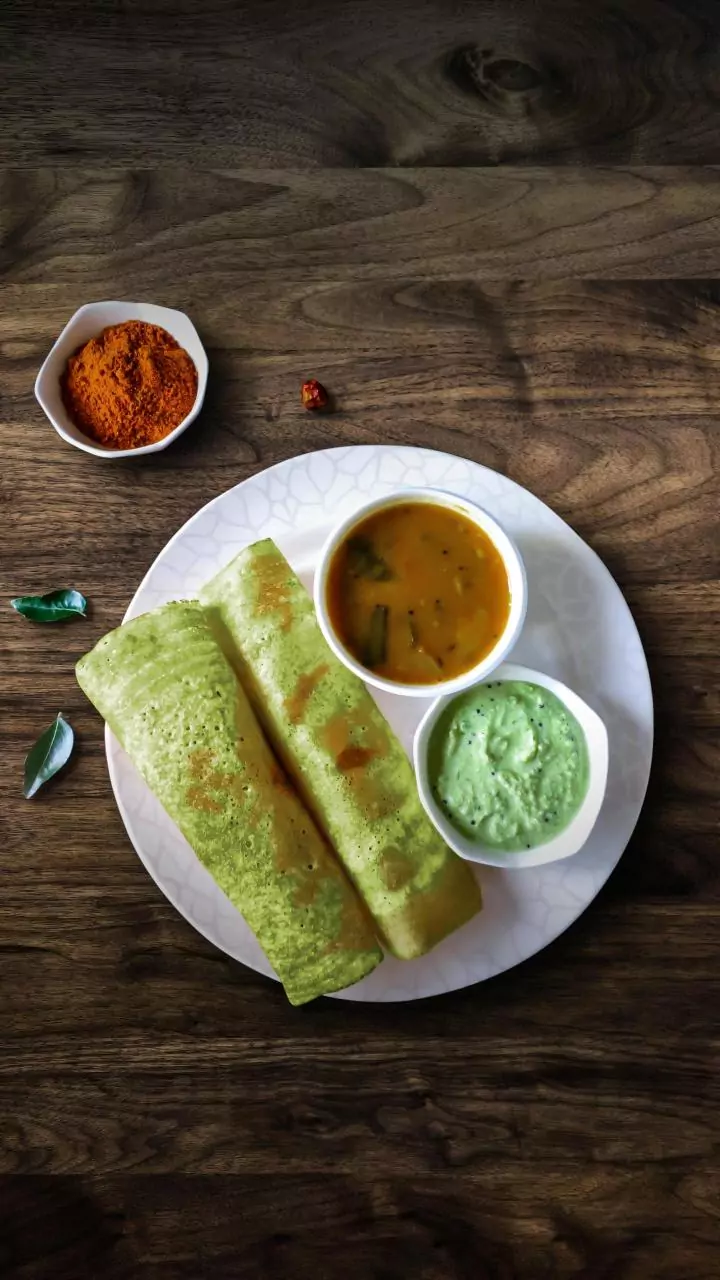
In practice, these trips are built around inclusive and accessible activities. Think less about rigid calorie-counted meals and more about culinary workshops that celebrate local food. Picture forest bathing (shinrin-yoku), sound baths, and gentle yoga instead of military-style drills. Many retreats now feature optional, non-dogmatic spiritual ceremonies, offering reflection without pressure. Others focus on nature immersion, mindful hobbies, or simply slowing down to connect with a place and its people. The emphasis is on flexibility and personal choice, allowing guests to engage on their own terms.
Why Is This Happening Now?
Several factors are driving this evolution. The post-pandemic era has left many with a profound need to reconnect with others and address mental and emotional health. Burnout has become a mainstream concern, leading people to seek vacations that are genuinely restorative, not just another source of pressure. There's a growing recognition that health is holistic, and social connection is a powerful predictor of both mental and physical well-being. Furthermore, as wellness becomes less of a niche luxury and more of a mainstream priority, the offerings are diversifying to be more inclusive, accessible, and enjoyable for a wider audience.