
As winter whispers across the Eastern Himalayas, Arunachal Pradesh transforms. The 'Land of the Dawn-Lit Mountains' sheds its monsoon green for a pristine coat of white, offering a tranquility that few other destinations can match.
Tawang: The Spiritual Heart
Perched at an altitude
of around 10,000 feet, Tawang is the spiritual and cultural heart of Arunachal. When snow falls, usually between December and February, the entire landscape becomes a breathtaking vista of white. The iconic Tawang Monastery, India's largest, takes on a serene and almost mystical quality when its golden roofs are dusted with fresh snow. The prayer flags fluttering against a backdrop of snow-laden pines create a picture of perfect peace. Beyond the monastery, the high-altitude lakes near Tawang, like Pankang Teng Tso, freeze over, their surfaces glistening under the crisp winter sun. The journey to Tawang itself is an adventure, often involving crossing the famed Sela Pass, which offers its own spectacular snowy welcome to this enchanting district. A visit during winter is a chance to see this popular destination in its most tranquil and majestic state, with fewer crowds and an atmosphere of quiet contemplation.
Sela Pass: The Icy Gateway
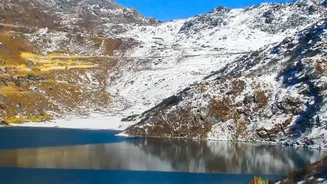
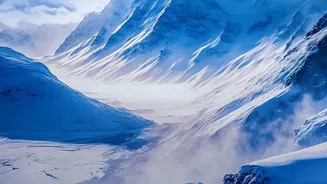
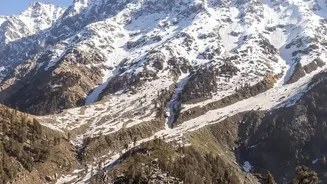
At 13,700 feet, Sela Pass is more than just a route to Tawang; it is a destination in its own right. This high-altitude gateway is one of the first places in the region to receive heavy snowfall, often becoming a world of white as early as November. The pass is famed for the stunning Sela Lake, which often freezes in peak winter, reflecting the snow-covered peaks that surround it. The sight of the lake, partially or fully frozen, framed by mountains in every direction, is one of Arunachal’s most photographed winter scenes. Though the journey can be challenging, with temperatures dropping well below zero, the views are a magnificent reward. The air is thin and crisp, and the silence is broken only by the wind. For many travellers, crossing Sela Pass is their first true encounter with the Himalayan winter, a dramatic and unforgettable experience of nature's raw beauty. The opening of the Sela Tunnel offers an alternative route, but many still choose the old road to witness the pass in its full glory.
Mechuka: The Forbidden Valley’s Winter Charm
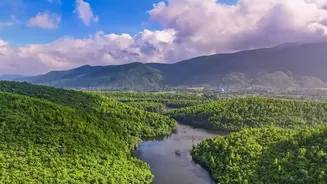
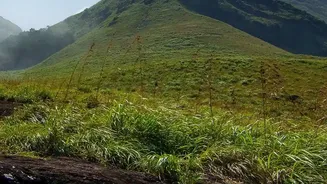
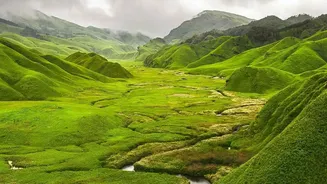
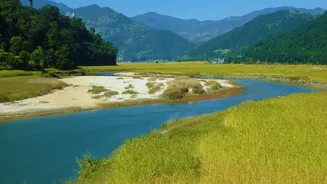
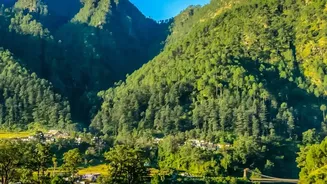
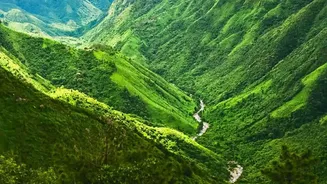
Often called the 'Forbidden Valley' due to its past remoteness, Mechuka offers a different kind of winter magic. Located in the Shi-Yomi district, this wide, grassy valley is ringed by pine-forested mountains that get a dusting of snow in winter. While the valley floor at around 6,000 feet doesn't always see heavy snow, the surrounding ridges become snow-dusted, creating a stunning contrast with the green pines and the meandering Siyom River. Mechuka is quieter and sees a fraction of the tourists that Tawang does, making it ideal for those seeking solitude. The main attraction here is the serene landscape itself—wild horses grazing on frosty fields, traditional wooden houses, and the 400-year-old Samten Yongcha Monastery perched on a hilltop overlooking the valley. A walk across one of the many hanging bridges over the Siyom River on a chilly morning is an experience unique to this tranquil corner of the state. It’s a place to experience the quiet life of the local Memba tribe amidst a landscape that feels truly untouched.
Dong Valley: Where India’s First Snow-Kissed Sunrise Appears
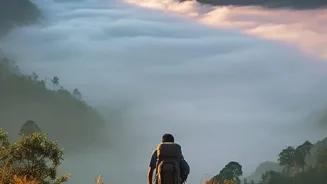
While not a typical snow destination, Dong Valley's unique claim to fame makes it a magical winter spot. As India's easternmost inhabited area, this is where the country's first rays of sun strike each morning. In the winter months of December and January, this experience is elevated. To witness the sunrise, visitors embark on a pre-dawn trek to a viewpoint overlooking the confluence of the Lohit and Sati rivers. As the sun appears, as early as 4 AM, it illuminates the frosty landscape and the distant, snow-capped peaks at the tri-junction of India, China, and Myanmar. The sight of the day's first light catching the snow on these remote mountains is profoundly beautiful and spiritual. The valley became famous when people gathered here on January 1, 2000, to witness the millennium's first sunrise. It offers less of a 'snowy landscape' and more of a 'snow-kissed moment'—a fleeting, powerful spectacle that rewards the early-rising trekker with an unforgettable memory.