

Prioritise Paw Hygiene
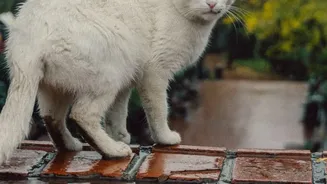
Your pet's paws are on the front line, constantly exposed to muddy puddles and wet surfaces. This makes them a primary site for fungal and bacterial infections. After every walk, thoroughly clean your dog's paws with lukewarm water and a soft cloth, or use
pet-safe wipes. Pay special attention to the areas between the toes, where moisture loves to hide. Keeping the fur between paw pads trimmed short can also significantly reduce the buildup of mud and bacteria. For added protection, consider applying a pet-safe paw balm to create a barrier and prevent cracking.
Rethink Grooming and Drying
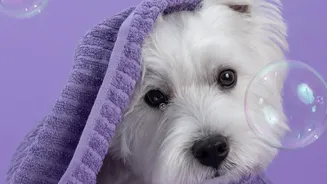
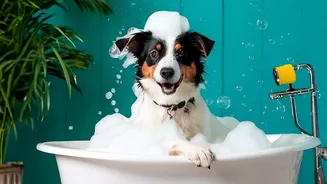
While it may seem counterintuitive, you should bathe your pet less frequently during the monsoon. Over-bathing can strip their skin of natural oils that provide a protective barrier. Instead, focus on keeping them dry. After any exposure to rain, towel-dry your pet thoroughly, paying close attention to their belly, ears, and any skin folds. For long-haired breeds, regular brushing is crucial to prevent matting, which traps moisture and can lead to skin infections like hot spots. Using a hairdryer on a low, cool setting can help ensure they are completely dry.
Adjust Their Diet and Hydration
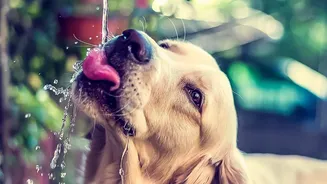
With reduced outdoor activity, your pet’s metabolism may slow down. It's important to provide a balanced diet that's easy to digest to support their immune system. Some experts suggest a high-protein, grain-free diet during this season. Always provide fresh, clean drinking water, and consider boiling it to be safe. Never let your pet drink from puddles or stagnant water, which are breeding grounds for dangerous bacteria and parasites that cause gastrointestinal infections and diseases like leptospirosis.
Watch for Health Red Flags
The damp, humid weather is an ideal environment for parasites like ticks and fleas to thrive, so ensure your pet’s prevention treatments are up to date. Skin infections are also very common; look out for excessive scratching, redness, hair loss, or a musty odour. Dogs with floppy ears are particularly prone to ear infections, so check their ears weekly for any foul smell or dark discharge. If you notice symptoms like fever, lethargy, vomiting, or loss of appetite, consult a vet immediately, as these could signal a serious illness like tick fever or leptospirosis.
Manage Thunderstorm Anxiety
Loud thunder can be terrifying for many dogs and cats. An estimated 30 to 40 percent of dogs experience some form of storm-related fear. You can help by creating a safe, den-like space for them in a quiet room, away from windows. Playing calming music or white noise can help mask the sound of thunder. Anxiety wraps that apply gentle, constant pressure can also have a calming effect. It's important to stay calm yourself, as pets often mirror their owner's emotions. Avoid punishing fearful behaviour, as this will only increase their stress.
Keep Them Active Indoors
Rainy days mean shorter or cancelled walks, but your pet still needs mental and physical stimulation. Engage them with indoor games like fetch, hide-and-seek, or puzzle toys that dispense treats. This not only keeps them entertained and prevents boredom-related destructive behaviour but also helps manage their weight when their outdoor exercise is limited. Keeping their environment clean and stimulating is key to their well-being during the long stretches of indoor time.