






The Global Promise of Superfoods
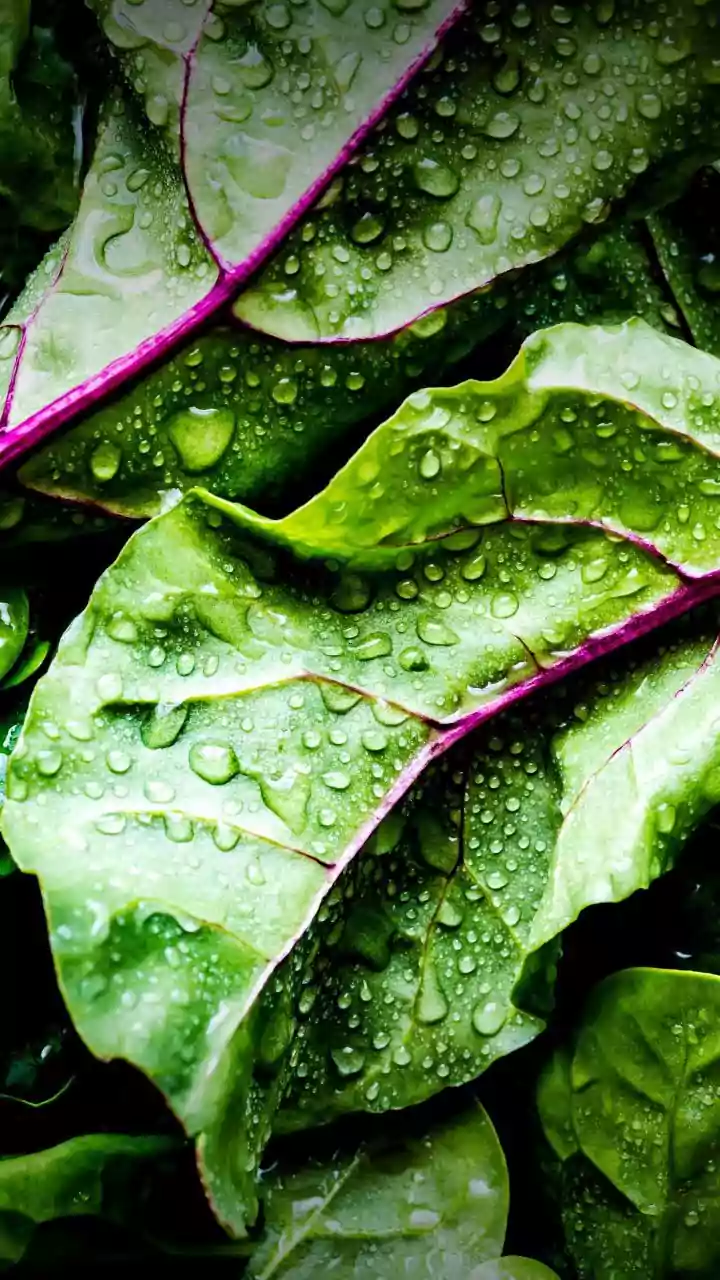
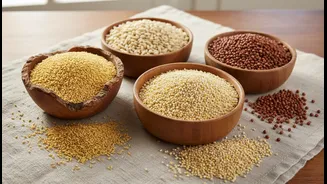
The modern wellness market is dominated by the idea of the 'superfood'. From Peruvian quinoa to Brazilian acai berries and Japanese matcha, these ingredients promise a quick fix for our health goals. Marketed as dense sources of antioxidants, vitamins,
and minerals, they often come with a high price tag and a significant carbon footprint. The superfood trend promotes a one-size-fits-all approach to health, suggesting that a sprinkle of chia seeds or a kale smoothie holds the universal key to well-being. However, this globalised view often overlooks the wisdom of eating locally and seasonally, a practice that forms the bedrock of traditional food systems around the world.
Answering the Monsoon’s Call
In India, the monsoon is more than just a weather pattern; it's a season that profoundly impacts health. The damp, humid conditions can weaken digestion, lower immunity, and make the body susceptible to colds, coughs, and infections. For centuries, traditional systems like Ayurveda have prescribed specific diets and remedies to counteract these seasonal challenges. Rather than relying on imported goods, this wisdom draws from the immediate environment. Kitchens across Karnataka, particularly in the Malenadu region, transform into pharmacies, where common spices and herbs are used to create potent, warming, and healing concoctions designed specifically for the rainy season.
The Warm Embrace of Kashaya
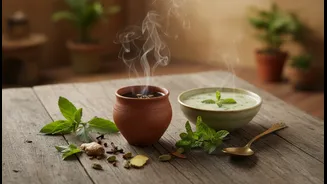
Perhaps the most well-known of Karnataka's monsoon drinks is Kashaya, a fragrant herbal decoction. Far from being a single recipe, it's a versatile concept tailored to individual needs. The base is typically a powder made from dry-roasted spices like coriander seeds, cumin, and black pepper. To this, ingredients like ginger, tulsi (holy basil), and turmeric can be added while brewing. This spicy, aromatic drink is traditionally sweetened with jaggery and often finished with milk. Each ingredient serves a purpose: ginger and pepper provide warmth and fight congestion, cumin aids digestion, and coriander is a rich source of Vitamin C to boost immunity. It’s a comforting brew that directly addresses the respiratory and digestive sluggishness common during the monsoon.
The Soothing Balance of Tambuli
While Kashaya is warming, Tambuli offers a cooling, soothing counterbalance, demonstrating the nuanced understanding of the body in traditional cuisine. The name itself comes from the Kannada word 'thampu', meaning cool. Tambuli is a light, yoghurt or buttermilk-based drink, almost like a thin, savoury raita, that is excellent for gut health. It can be made with a variety of herbs, many of which grow wild in backyards during the monsoon. Popular versions feature brahmi (ondelaga), which is known to boost memory, or ajwain leaves (sambarballi), which are used to treat coughs and colds. Ground with coconut, a few spices, and mixed with curds, Tambuli is a probiotic-rich drink that soothes the digestive system.
Rooted Wisdom vs. Imported Trends
The contrast between these traditional Karnataka drinks and Western superfoods is stark. Kashaya and Tambuli are born from a specific context—the climate, the available flora, and the health needs of the season. Their ingredients are local, accessible, and affordable. This approach is inherently sustainable and connected to a deep cultural knowledge passed down through generations. It champions the idea that wellness isn't something you buy, but something you practice using the resources around you. Instead of an exotic berry flown across continents, the remedy might be a common leaf growing in your own garden or a spice from your pantry. It’s a reminder that sometimes, the most powerful 'superfoods' are the ones that have been nurturing us all along.