



Choose Fabrics That Work For You
The foundation of a perfect rainy-weather packing list is choosing the right materials. Your goal is to select items that are lightweight, take up minimal space, and, most importantly, dry quickly. Cotton, a travel favourite in dry climates, becomes your
enemy in damp conditions; it absorbs moisture, takes ages to dry, and will leave you feeling chilled. Instead, prioritise synthetic fabrics like polyester and nylon. These materials are hydrophobic, meaning they repel water rather than absorbing it, allowing them to dry in a fraction of the time. Many travel-specific clothes also come with a durable water repellent (DWR) coating. Another excellent option is merino wool. While it dries slower than synthetics, it regulates body temperature exceptionally well, keeping you warm even when damp, and its natural antimicrobial properties mean you can wear it multiple times without it smelling.
The 4-Day Capsule Wardrobe
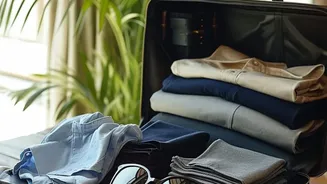
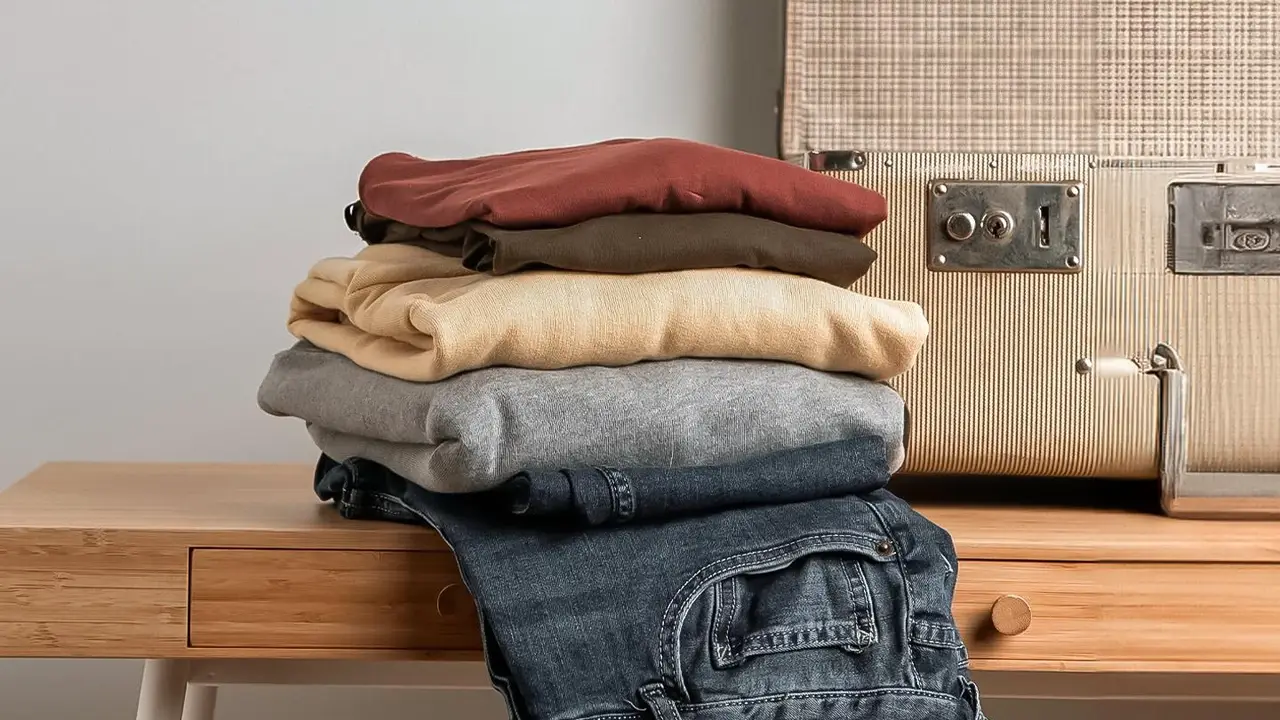
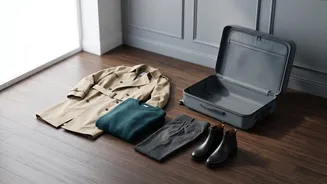
For a four-day trip, you don't need a dozen outfits. A well-curated capsule wardrobe is the key. Think in terms of a simple formula like the 1-2-3-4 rule: 1 outerwear jacket, 2 pairs of bottoms, 3 tops, and 4 pairs of socks and underwear. This provides enough variety without overpacking. For example, pack one pair of quick-dry travel trousers and one pair of comfortable yet smart pants that can be dressed up or down. Pair these with three versatile tops—perhaps two quick-dry t-shirts and one long-sleeved merino base layer that can be worn alone or for layering. Choose a neutral colour palette for your main items (black, grey, navy, beige) and add a pop of colour with a scarf or a single top. This ensures every piece can be mixed and matched, maximising your outfit combinations.
Master the Art of Layering
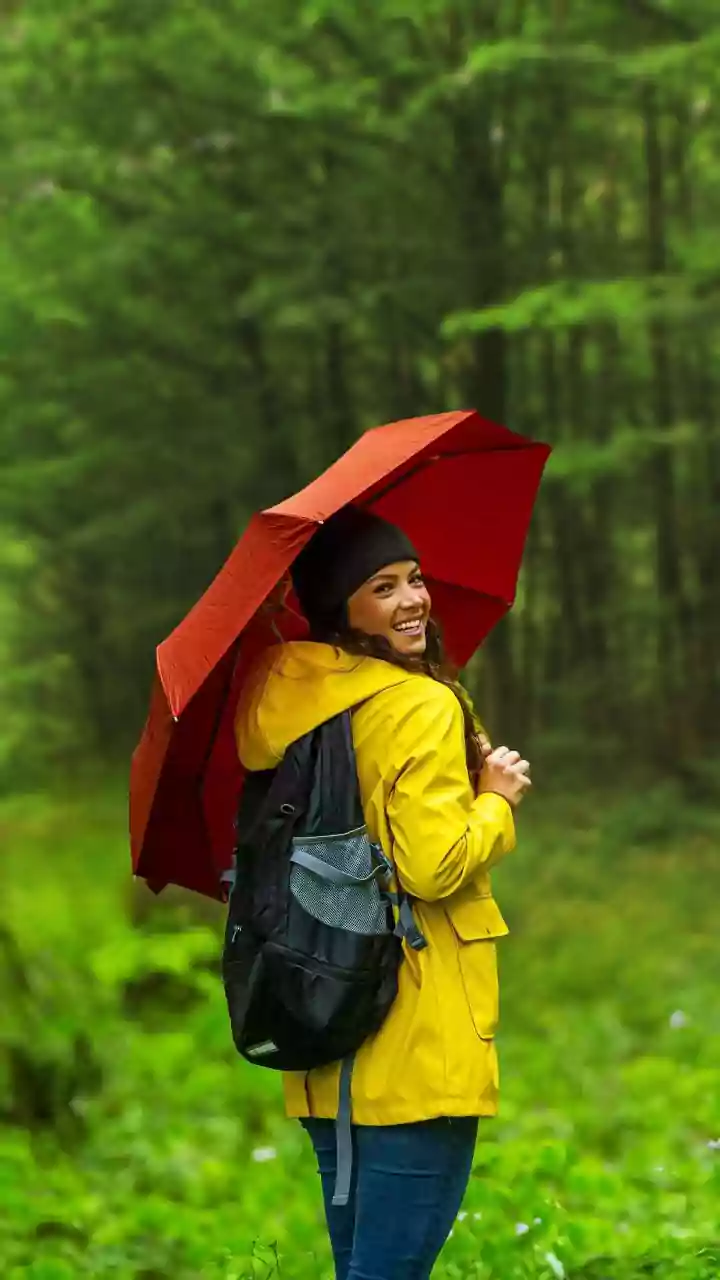
Rainy weather often brings fluctuating temperatures. You might be cold and damp outside but warm once you get indoors. Layering is the most effective strategy to manage this. Your outermost layer should be your workhorse: a lightweight, packable, and fully waterproof rain jacket with a hood. This is a non-negotiable item. Beneath that, a middle layer like a light fleece or a thin merino wool sweater provides warmth without bulk. Your base layer is the top you’re wearing for the day. This three-part system allows you to easily add or remove layers to adapt to changing conditions, keeping you comfortable whether you’re navigating a downpour or sipping coffee in a dry cafe.
Strategic Packing: Cubes and Rolling
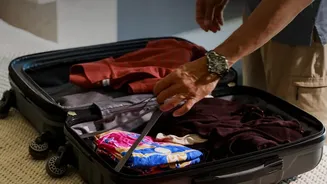
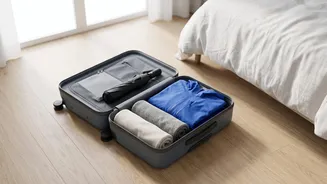
How you pack is just as important as what you pack. The debate between rolling and folding clothes is ongoing, but for saving space and minimizing wrinkles in casual wear, rolling is generally the winner. To take your organization to the next level, use packing cubes. These zippered containers allow you to compartmentalize your clothes—tops in one, bottoms in another, underwear in a third. This not only keeps your suitcase tidy but also compresses your clothing, squeezing out excess air to create more space. A pro tip is to combine methods: roll your clothes tightly and then place them inside packing cubes. It’s also wise to bring one empty cube or a dedicated dry bag to stash wet or dirty clothes, keeping them separate from your clean items.
Footwear: The Make-or-Break Choice
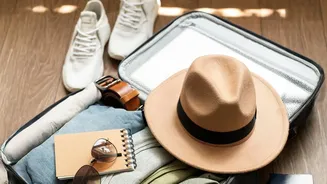
The wrong shoes can ruin a rainy trip. You need footwear that is both waterproof and comfortable enough for walking. For a short trip, limit yourself to two pairs. Your primary pair should be waterproof boots or shoes with good traction. Wear this heavier pair on the plane or train to save space in your bag. Your second pair should be something lightweight and versatile for indoors, like waterproof sandals, floaters, or simple slip-on shoes. Avoid packing shoes that can't handle getting wet, as a surprise puddle could leave you with soggy feet for the rest of your trip.
Don't Forget the Rainy Day Extras
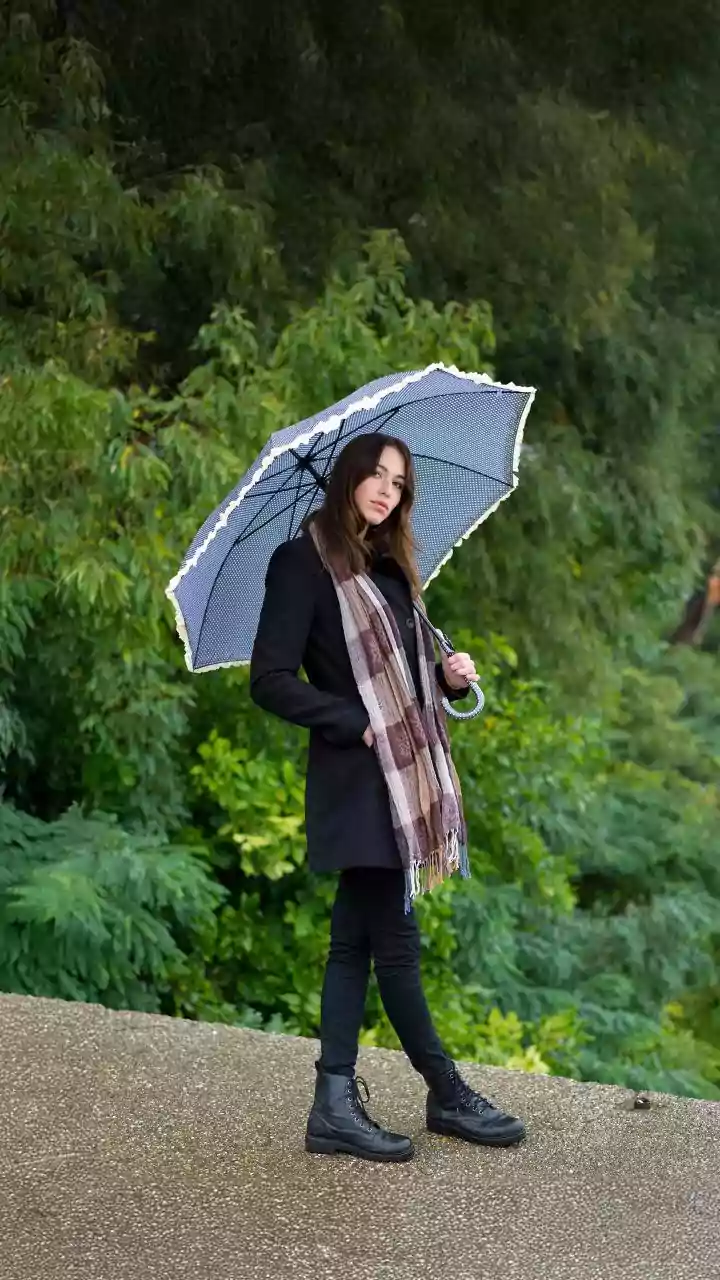
A few small items can make a huge difference. A compact, wind-resistant travel umbrella is essential for city exploring. To protect your valuables, use a waterproof pouch or even simple zip-lock bags for your phone, passport, and any other electronics. A quick-dry microfiber towel is much more packable than a standard towel and can be a lifesaver. Finally, a reusable, waterproof bag is incredibly useful for separating a wet swimsuit or a soaked jacket from the rest of your dry belongings in the carry-on.