




A New Era of Cosmic Sight
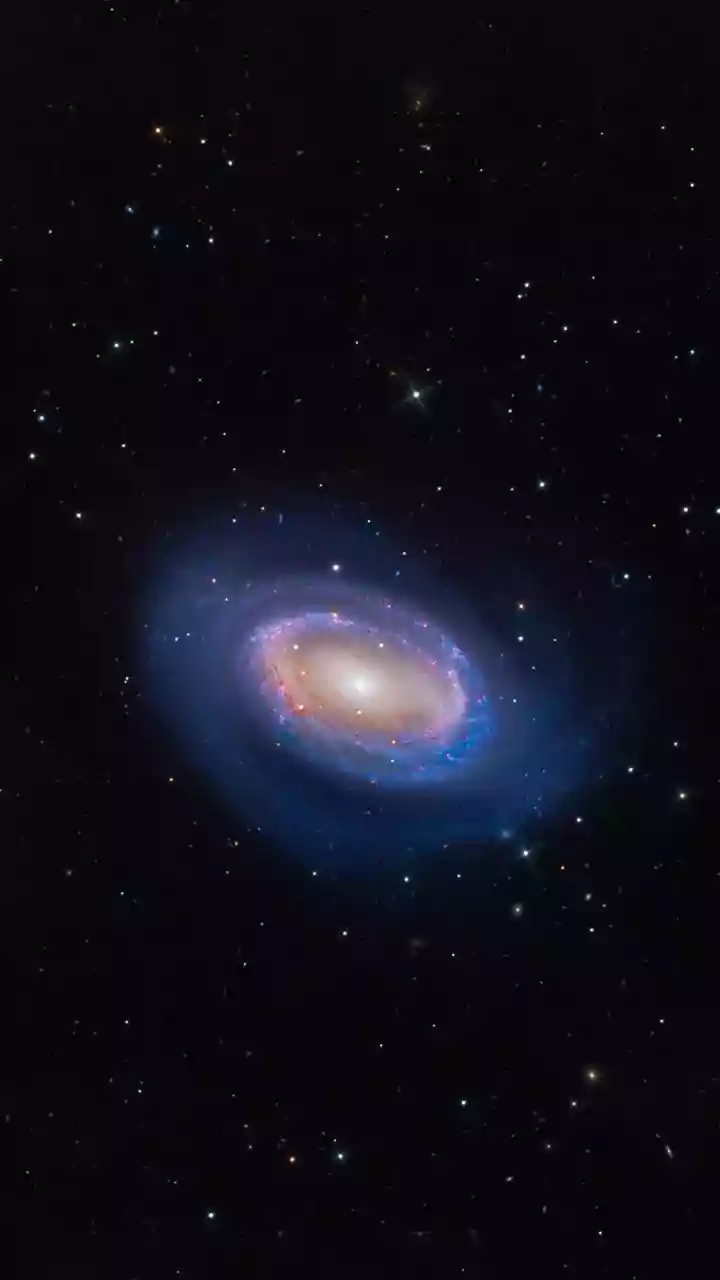
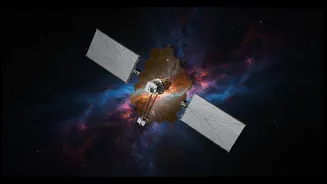
We are living in a golden age of astronomy, and its treasures are being delivered to us in the form of jaw-dropping images from deep space. Telescopes like the James Webb Space Telescope (JWST) and the European Space Agency's Euclid are peeling back the layers
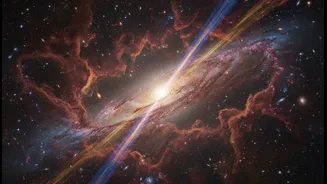
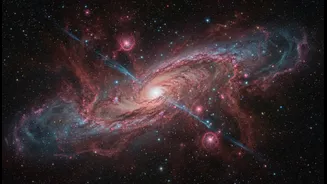
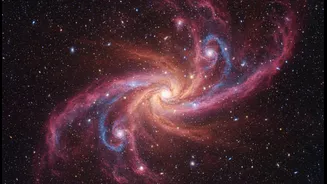
of the cosmos, revealing celestial events and objects with a clarity that was once the stuff of science fiction. Celebrating its fourth anniversary of science operations in July 2026, the JWST marked the occasion by releasing a stunning new image of the galaxy Centaurus A. Located about 11 million light-years away, this galaxy's unusual shape is the result of a cosmic collision between two other galaxies billions of years ago. While older telescopes like Hubble were obscured by the thick dust lanes of Centaurus A, Webb’s powerful infrared vision cuts right through, revealing a tapestry of individual stars and perplexing dust structures that offer clues to the galaxy's violent past and evolution.
More Than Just a Pretty Picture
The vibrant colours in these space images are not what our eyes would see if we were to somehow travel to these distant locations. Telescopes like the JWST observe in infrared light, which is invisible to humans. Scientists and image processors translate this data into visible colours in a process that is both an art and a science. Typically, the longest wavelengths of infrared light are assigned the colour red, the shortest are assigned blue, and other colours fill the spectrum in between. This 'false-colour' process isn't just for aesthetics; it makes the data easier for astronomers to analyze and highlights features that would otherwise be invisible. For instance, Webb’s view of the iconic Pillars of Creation reveals thousands of newborn stars as bright red orbs, previously hidden inside dusty columns, giving us a clearer picture of star formation.
Euclid's Hunt for the Dark Universe
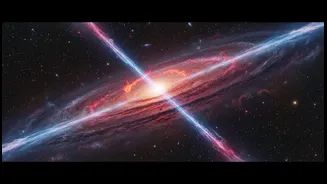
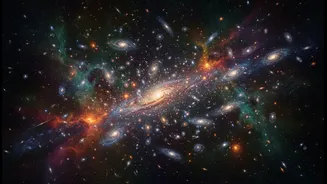
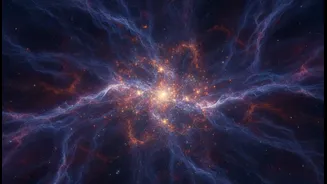
While JWST provides incredibly detailed views of specific targets, the Euclid telescope has a different, broader mission: to map over a third of the sky to understand the mysteries of dark matter and dark energy. In early July 2026, astronomers announced a landmark discovery from Euclid: the identification of 31 ancient quasars, including the two most distant ever observed. These quasars are the intensely luminous cores of galaxies, powered by supermassive black holes. The newfound objects are so old that their light began its journey to us when the universe was less than a billion years old. Euclid’s ability to survey vast areas of the sky is allowing scientists to find not just the brightest and rarest quasars, but the broader population, providing crucial data on how the earliest supermassive black holes and galaxies formed so quickly in the young universe.
A Universe of Endless Questions
Each new image and discovery seems to open up as many questions as it answers. The Webb's detailed look at Centaurus A revealed perplexing dust structures, including a strange, parallelogram-shaped band and an S-shaped feature that astronomers are now working to understand. Similarly, the ancient quasars found by Euclid are adding to a puzzle that has been baffling scientists: cosmic objects in the early universe seem to be far bigger and more developed than models predict. These powerful new observatories are not just building on the foundations of missions like Hubble and Spitzer; they are fundamentally challenging and expanding our understanding of cosmic history. They are tools for galactic archaeology, allowing scientists to study individual stars in distant galaxies to reconstruct a timeline of cosmic events.