

The Basics: What Camera Gear Is Generally Allowed?
For the average enthusiast, the news is good. Most national parks and tiger reserves in India permit visitors to carry standard photography equipment for personal use. This typically includes DSLR or mirrorless cameras with interchangeable lenses. Using
your mobile phone for photos is also generally allowed, though some reserves have recently introduced restrictions on their use to minimize tourist misbehavior and 'safari jams'. The primary goal of park authorities, governed by bodies like the National Tiger Conservation Authority (NTCA), is to ensure tourism is low-impact and does not disturb the wildlife. As long as your photography is for personal memories and not commercial purposes, a standard kit is usually welcome.
Lens Size: When Does Your Equipment Attract Fees?
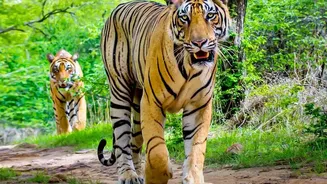
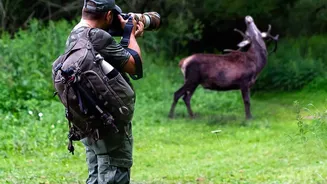
This is where rules start to differ significantly between parks. While a standard kit lens or a small telephoto lens (e.g., 70-200mm) might not cause any issues, larger telephoto lenses often come with specific fees. For instance, in parks like Bandipur and Nagarahole in Karnataka, using a lens above 200mm can incur a fee per trip. Some parks in Rajasthan and Madhya Pradesh have similar structures, where lenses above a certain focal length (often around 400mm) are classified as 'professional' and require a fee. The logic is that larger lenses are more often used for commercial photography, which requires separate permits and higher charges. Always check the specific park’s official website or with your safari operator in advance to clarify fees for your lenses and avoid surprises at the gate.
Tripods, Monopods, and Flashes: Support Gear Rules
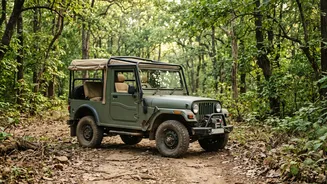
Using support gear inside a safari vehicle is almost universally restricted. Tripods are generally impractical and often forbidden within the confines of a shared jeep or canter. Monopods might be more manageable, but their use can still be frowned upon as they can obstruct views or be cumbersome. The best practice is to rely on a beanbag to stabilize your camera on the vehicle's railing. The use of flash photography is strictly prohibited in all wildlife sanctuaries. Artificial flashes can startle, blind, or stress animals, interfering with their natural behaviour and posing a significant safety risk. This is a non-negotiable rule across all Indian national parks.
Drones: A Strict No-Fly Zone
The rules regarding drones are simple and absolute: they are banned in all national parks, tiger reserves, and wildlife sanctuaries in India. Flying a drone is a serious offense that can result in heavy penalties and confiscation of equipment. The noise and presence of drones are highly disturbing to wildlife, especially birds and territorial animals like tigers. This ban is in place to protect the animals from stress and to prevent illegal activities such as poaching. There are no exceptions for amateur or professional photographers, so leave your drone at home.
Personal vs. Commercial Use: A Crucial Distinction
Park authorities make a clear distinction between personal photography and commercial filming or photography. If your intention is to sell your images, use them for advertising, or as part of a professional documentary, you will need to apply for a commercial filming permit. This is a completely different and more complex process that involves significant fees and permissions from the forest department and sometimes the Ministry of Environment, Forest and Climate Change. Some parks offer 'Full Day' or 'Half Day' permits, which are more expensive and zone-free, often used by professional filmmakers and serious photographers to maximize their time in the park from sunrise to sunset.
Pro Tips for a Hassle-Free Safari
To ensure a smooth experience, always check the official website of the specific park you are visiting (e.g., Jim Corbett, Ranthambore, Kanha) before your trip, as rules are subject to change. When booking your safari, declare any large lenses or special equipment you plan to carry. Carry all necessary identification documents, as they will be checked against your permit at the entry gate. Finally, remember that the priority is the well-being of the wildlife. A good photographer respects their subject and environment above all else.