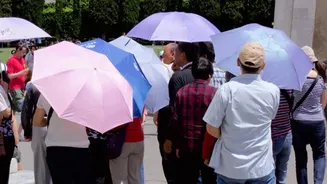


France's most beloved attractions are victims of their own success. The desire to capture the perfect photo has led to a surge in noise and congestion, turning visits into a battle against crowds and selfie sticks. But how bad is it really?
The Louvre Museum: A Mob for Mona Lisa
The Louvre
in Paris is designed to inspire awe, but for many, the experience of seeing its most famous resident, the Mona Lisa, is anything but tranquil. An estimated 20,000 visitors flock to see the small painting each day, creating a scene often described as chaotic. The Salle des États, where the masterpiece is housed, becomes a dense scrum of people, with hundreds holding phones and cameras aloft, all vying for the same shot. The experience is often reduced to a 30-second glimpse from 15 feet away, viewed through a sea of screens and behind reflective, bulletproof glass. This intense focus on one painting means that masterpieces by artists like Veronese, which hang opposite, are almost entirely ignored. While selfie sticks are officially banned inside the museum, the sheer volume of people attempting to take photos creates a noisy, jostling environment that museum staff have protested, citing untenable working conditions. The museum has acknowledged the issue, with its director noting that visiting has become a 'trial' for tourists.
Palace of Versailles: Congestion in the Hall of Mirrors
The Hall of Mirrors at the Palace of Versailles was designed to be a dazzling display of power and wealth, a place for quiet contemplation and grand diplomatic receptions. Today, it is one of Europe's most notorious bottlenecks for overtourism. Visitors describe being herded through the magnificent 73-metre gallery 'like cattle', unable to move freely or appreciate the 357 mirrors and historic ceiling paintings. The atmosphere can feel stifling, with the pleasure of the visit diminished by the shoulder-to-shoulder crowds. Selfie sticks are strictly forbidden within the palace to protect the delicate artworks and other visitors, a rule that has been in place for several years. However, the sheer number of people trying to capture a photo in the reflective hall contributes to the congestion. To avoid the worst of the crowds, experts recommend visiting on a weekday as soon as the palace opens at 9 a.m. and heading straight for the Hall of Mirrors before the tour groups arrive.
The Eiffel Tower: A Battle for the Best View
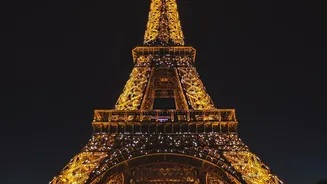
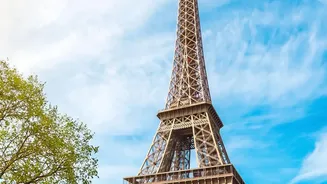
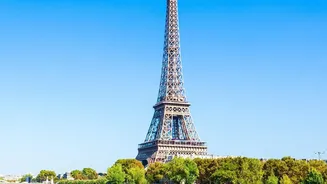
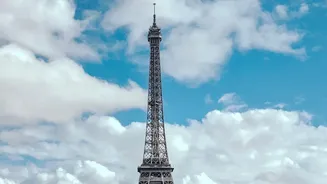
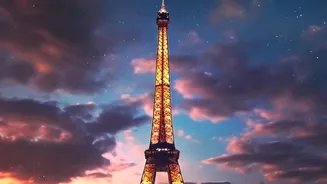
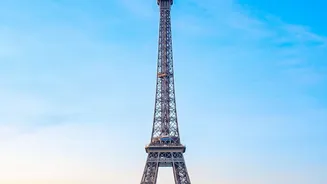
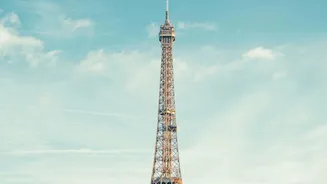
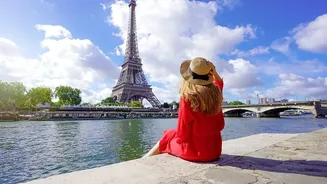
As the ultimate symbol of Paris, the Eiffel Tower naturally attracts enormous crowds, with around 25,000 people visiting daily. While selfie sticks are permitted, the combination of long queues and packed viewing platforms can test the patience of any visitor. The most sought-after spot, the summit, can become 'crowded to a claustrophobic degree', according to some travel writers. This leads to a constant jostle for a position by the railing to capture that perfect panoramic selfie. The experience often involves hours of waiting, first for security, then for tickets, and finally for the elevators that ascend the structure. Even with pre-booked tickets, queues are unavoidable. Some visitors find the entire experience underwhelming due to the sheer volume of people, turning what should be a magical moment into a stressful ordeal. To mitigate this, some recommend visiting the less-crowded second floor or booking a table at one of the tower's restaurants, which can provide a more civilized way to enjoy the view.
Mont Saint-Michel: Gridlock on a Medieval Island
This UNESCO World Heritage site, a stunning tidal island off the Normandy coast, has become so popular that its narrow medieval streets often come to a standstill. With three million visitors a year, the main street can become a scene of gridlock, particularly between 10 a.m. and 4 p.m. during peak season. The phenomenon of 'overtourism' here is so acute that authorities have had to actively manage the flow of people, sometimes temporarily suspending shuttle buses from the mainland car parks to ease the human traffic jam. For visitors, this means shuffling along slowly, dodging others, and finding it difficult to appreciate the historic abbey and its unique setting. While not explicitly about selfie sticks, the general desire to stop and take photos in the narrow passageways contributes significantly to the blockages. In response, the site's management has promoted visiting outside of peak hours, encouraging tourists to come before 10 a.m. or after 4 p.m. to experience the site with more breathing room.