


Why Green Is the New Black This Monsoon
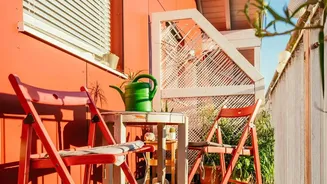
The desire to connect with nature amidst concrete surroundings is a powerful motivator for urbanites. This, combined with a growing interest in healthy, organic, and pesticide-free food, has made kitchen gardening incredibly popular. Balconies, once relegated
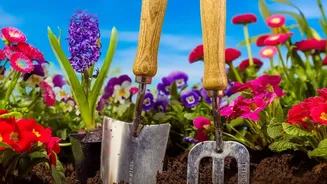
to storage or drying clothes, are now seen as potential food sources. The monsoon season acts as a catalyst for this trend. The natural watering, higher humidity, and cooler temperatures create the perfect conditions for many plants, especially herbs, to thrive. Gardening itself is also a well-known stress reliever, offering a therapeutic escape from the hustle of city life. For many, nurturing a plant from seed to harvest provides a deep sense of satisfaction and a welcome distraction during the grey, rainy days.
Top 5 Herbs for Your Monsoon Balcony
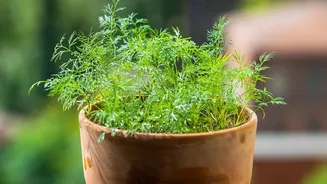
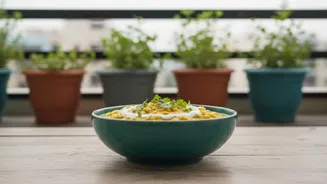
Getting started is easier than you think. Many Indian herbs are hardy and grow well in pots. Here are five easy picks for the monsoon season: 1. Tulsi (Holy Basil): A staple in many Indian homes, Tulsi is revered for its medicinal properties and is surprisingly low-maintenance. It boosts immunity, which is especially helpful during the monsoon. It needs a well-draining pot and indirect sunlight to flourish. 2. Mint (Pudina): This fast-spreading herb is perfect for beginners. Its refreshing aroma and use in chutneys, teas, and beverages make it a practical choice. Mint loves moisture but should be kept in its own pot as it can quickly take over. 3. Coriander (Dhania): No Indian kitchen is complete without it. While it can be tricky, growing it in the monsoon is easier due to the cooler weather. It is known for its detoxifying properties and is packed with antioxidants. Grow it in cycles in a wide, shallow pot for a continuous supply. 4. Lemongrass: This fragrant grass not only adds a zesty flavour to teas and soups but also acts as a natural mosquito repellent. It loves the monsoon humidity and grows well in deep pots placed in a sunny spot. 5. Ajwain (Carom): The plant's leaves have a distinct, pungent flavour and are often used in home remedies for indigestion. It's a hardy plant that thrives in pots and requires minimal care, making it ideal for a beginner's balcony garden.
Setting Up Your Green Corner
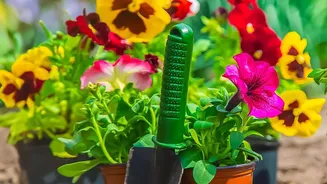
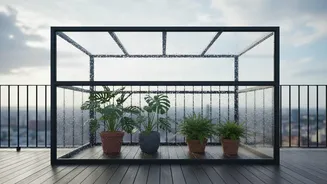
You don’t need a sprawling terrace to start. A small balcony or even a sunny windowsill can suffice. The first step is to observe your space. Most herbs need at least 4-6 hours of sunlight, so a south or west-facing balcony is often ideal. Next, choose your containers. Terracotta pots, recycled plastic bottles, or grow bags all work, but the most important feature is proper drainage holes to prevent waterlogging, a common issue during the monsoon. For soil, a lightweight potting mix is better than heavy garden soil. A combination of soil, cocopeat, and compost will provide good drainage and nutrition. You can start with seeds or, for quicker results, buy healthy saplings from a local nursery.
More Than Just Fresh Flavours
The benefits of a balcony garden extend far beyond the kitchen. Having fresh, organic herbs at your fingertips means your meals are more flavourful and nutritious. It's a cost-effective way to have access to ingredients that can be expensive at the store. Furthermore, these small green patches contribute to urban biodiversity. They act as 'pit stops' for pollinators like bees and butterflies, creating a network of habitats across the cityscape and helping these vital creatures survive. On a personal level, the act of gardening connects you to the seasons and offers a daily dose of mindfulness, improving mental well-being and reducing stress.