





Keep the Volume Down
The golden rule of a game drive is to use your 'indoor voice'. Wild animals are highly sensitive to sound, and loud chatter, excited shrieks, or even a ringing mobile phone can startle them, causing them to flee. By speaking in whispers, you not only
show respect for the animals but also for your fellow passengers. This allows everyone to tune into the natural soundtrack of the bush—the rustle of leaves, the call of a bird, or the distant roar of a lion—which enhances the entire experience. Your guide is trained to spot wildlife, so let them lead while you quietly observe.
Stay Inside the Vehicle at All Times
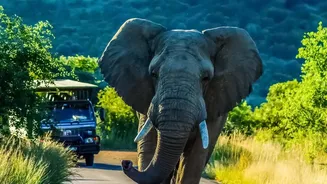
It might sound obvious, but the temptation to get a slightly better photo angle can be strong. However, staying inside the safari vehicle is a non-negotiable rule for your safety and the animals' comfort. The animals in many reserves are accustomed to the shape of vehicles and perceive them as a single, non-threatening entity. The moment you stand up, lean out, or put your arms outside, you break this silhouette and can be seen as an individual, which may cause alarm or an unpredictable reaction. Always follow your guide's instructions; they are experts at reading animal behaviour and will establish a safe viewing distance.
Never Feed the Animals
Feeding wild animals, no matter how harmless it seems, has serious negative consequences. It habituates them to humans and can lead to them becoming aggressive in their search for food. Furthermore, human food can be detrimental to their health. This simple act disrupts their natural foraging behaviours and can create a dangerous dependency. It's also crucial to dispose of all waste responsibly by taking any wrappers or bottles back to the lodge with you. Litter can be mistaken for food and can choke or poison wildlife.
Practice Patient and Respectful Photography
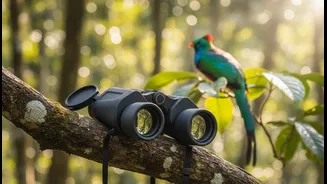
Everyone wants to capture the magic of their safari, but it must be done ethically. The most important rule is to never use a flash, as the sudden burst of light can startle, disorient, and even temporarily blind animals, especially nocturnal ones. Use a zoom lens to get close-up shots without physically encroaching on an animal's space. If you notice an animal showing signs of distress—like an elephant flapping its ears or a lion flicking its tail—it's a sign to back off. The animal's welfare should always come before the perfect shot. When sharing photos, be mindful of geotagging, as it can inadvertently lead poachers to the location of vulnerable species like rhinos.
Trust Your Guide's Expertise
Your safari guide is a trained professional with deep knowledge of the area and its wildlife. Trust their judgement and follow their instructions without question. This includes decisions about how close to get to an animal, how long to stay at a sighting, and when to move on. Guides must balance the interests of everyone in the vehicle and respect park rules, which may include limiting the number of vehicles at a sighting to avoid overwhelming the animals. Don't be afraid to ask questions, but do so quietly and respect their final say.
Share the Sighting
A safari is often a shared experience, not just with those in your vehicle but with other groups as well. Be considerate at sightings. Don't block others' views or pressure the guide to linger longer than is fair. A little courtesy ensures that everyone gets a chance to witness the moment. Patience is key; great sightings often come to those who wait quietly and observe. The goal is for everyone to leave with incredible memories, not just a few individuals who managed to get the best spot.