




A Shift in the Travel Equation
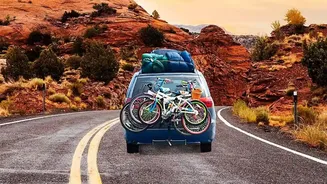
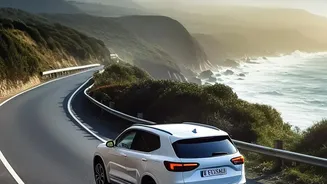
For years, the logic was straightforward: flights for speed, roads for everything else. But that clear divide is blurring. In 2026, the 'drivecation'—a holiday centred around a road trip—has surged in popularity across India. An unprecedented expansion
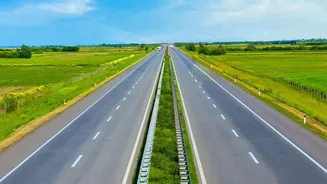
of the country's highway and expressway network is a primary driver of this trend. With the length of national highways expanding by over 60% since 2014, journeys that were once gruelling multi-hour slogs are now smoother and significantly faster. Routes like Delhi-Dehradun, which used to take six hours, can now be completed in under three, making weekend trips to the hills far more accessible. This infrastructural leap, combined with the rising costs and procedural hassles of air travel, has firmly positioned road trips as a formidable competitor for popular short-haul journeys.
The Real Cost of Travel
At first glance, a flight might seem cheaper, but the final bill often tells a different story. Once you factor in airport transfers, baggage fees, and the premium prices of airport food and drink, the costs add up. In contrast, the cost of a road trip—primarily fuel and tolls—can be split among multiple passengers, often making it the more economical choice for families and groups. For a group of four, a drive from Bangalore to Chennai, for example, can be significantly cheaper in a car than booking four separate air tickets, especially during peak season. This cost-effectiveness is a major draw for the value-conscious Indian traveller.
Time: The Door-to-Door Reality
While a flight from Mumbai to Pune is technically under an hour, the door-to-door travel time tells a different story. The journey to the airport, navigating security, waiting for boarding, the flight itself, and then travelling from the destination airport into the city can easily stretch to four or five hours. For distances under 500 kilometres, driving is often faster from your front door to your hotel's. New expressways like the one connecting Mumbai and Pune or Delhi and Agra have drastically reduced driving times, making the overall time commitment comparable to, or even better than, flying.
The Journey Becomes the Destination
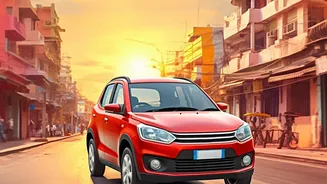
Perhaps the biggest advantage of a road trip is the experience itself. Unlike the sterile, scheduled nature of air travel, driving offers freedom and flexibility. You can stop at a roadside dhaba for a meal, take a detour to an unexplored temple, or simply pull over to admire a scenic view—moments of spontaneous discovery that are impossible when you're 30,000 feet in the air. This appeals to a growing segment of travellers who seek authenticity and want the journey to be as memorable as the destination itself. The ability to travel at your own pace, without luggage restrictions and with the freedom to explore hidden gems along the way, is a form of luxury that flying cannot offer.
Convenience and Comfort
The practical benefits of road travel are undeniable. Packing is simpler without worrying about liquid restrictions or weight limits, making it ideal for families travelling with children or those carrying special equipment. For pet owners, taking a beloved animal along is far easier in a car than navigating the complex and often stressful airline procedures. Recent data shows a growing appetite for shorter, more flexible trips, with bus and car travel seeing a significant surge. The comfort of your own vehicle, control over your schedule, and the ability to move seamlessly from your home to your final destination provide a level of ease that airports, with their queues and waiting times, struggle to match.