




An Endless Universe of Achar
For generations, pickling in India has been an essential culinary art, a method born out of the necessity to preserve seasonal produce long after its harvest. This tradition created an incredible diversity of pickles, with each region, and often each family,
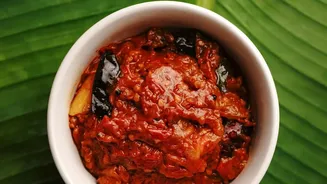
having its own treasured recipes. There are pickles made from desert beans like Ker Sangri in Rajasthan, wild turmeric from Himachal Pradesh, and even meaty delicacies like pork pickle in Nagaland or prawn balchao in Goa. Yet, with urbanization and the rise of commercially produced, uniform-tasting pickles, many of these hyper-local, labour-intensive varieties began to fade from memory, their complex flavours confined to the kitchens of grandmothers.
Flavours From the Forgotten Larder
Today, a delicious revival is underway. A new generation of chefs, home cooks, and artisanal brands are unearthing these lost recipes. From the Northeast, fermented wonders like Gundruk (fermented leafy greens) and Khorisa (fermented bamboo shoots) are gaining recognition for their unique, pungent flavours and gut-friendly probiotics. These pickles are not just condiments; they are complex flavour agents used in curries and side dishes. Similarly, pickles made from local produce like the elephant apple (Ou Tenga) in Assam or the fiery Dalle Khursani chili in Sikkim are moving from regional obscurity into the national spotlight, celebrated for their distinct taste profiles.
The Anatomy of a Comeback
Several factors are driving this trend. There is a growing appreciation for gut health and the benefits of naturally fermented foods. Many traditional Indian pickles, made through lacto-fermentation without vinegar, are rich in probiotics that aid digestion. Furthermore, a wave of culinary curiosity has people seeking authentic, regional, and unique flavours over mass-produced options. Food entrepreneurs and chefs are championing this movement, bringing heirloom recipes to modern gourmet menus and premiumizing them with stylish packaging and compelling origin stories. Social media has also played a huge role, allowing small-batch producers from remote corners of the country to reach a wider audience.
More Than a Condiment
This pickle revival is about more than just taste. It is an act of cultural preservation. By bringing back these forgotten pickles, we are also reviving the stories, communities, and biodiversity behind them. The focus on local, seasonal ingredients supports regional farmers and preserves agricultural diversity that might otherwise be lost. The process of making these pickles is often a communal activity, a way of passing down heritage and family history from one generation to the next. Brands are now highlighting this narrative, selling not just a product but a piece of a place and its tradition, competing on a global stage with other world ferments.