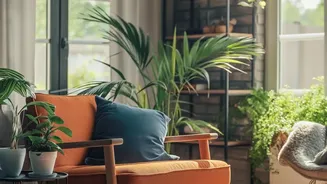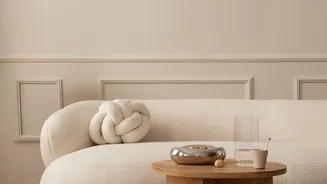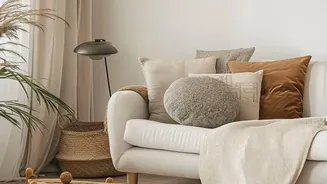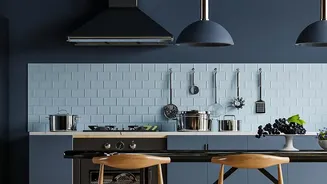


What Exactly Is Slow Decorating?
Slow decorating is the antidote to the pressure of creating a “perfect” home overnight. It's an approach rooted in mindfulness, encouraging you to live in your space, understand its rhythms, and gradually fill it with items you genuinely love. It borrows
its philosophy from the slow food and slow fashion movements, which prioritize quality, sustainability, and personal connection over mass-produced convenience. Instead of buying trendy items just to fill a corner, the goal is to build a collection of meaningful pieces over time—whether it’s an artisan-made lamp, a vintage armchair with a story, or a piece of art from your travels. It's about creating a home that evolves with you, telling the story of your life and your tastes.
The Rise of the Anti-Trend Trend
The growing popularity of slow decorating is a direct response to the wastefulness and anxiety of the “fast furniture” cycle. Much like fast fashion, fast furniture is often cheaply made, designed to follow fleeting trends, and ultimately destined for the landfill. This conscious shift is also fuelled by a desire for authenticity. In an age of social media feeds filled with picture-perfect, yet often impersonal, interiors, people are craving spaces that feel genuine and nurturing. The 2026 design landscape emphasizes natural materials, sustainability, and craftsmanship—all core tenets of the slow decorating ethos. It’s about building a sanctuary that supports your well-being, rather than a showroom designed to impress others.
Start with a Vision, Not a Shopping List
The first step in slow decorating is to simply pause. Before you browse online stores or step into a showroom, take the time to live in your space. Pay attention to how you use each room. Where does the morning light fall? Which corner naturally becomes your reading nook? Understanding your daily habits and routines is crucial for making intentional choices. Instead of starting with a list of things to buy, start with a feeling you want to create. Do you want a room to feel calm and serene, or vibrant and energetic? Write down words that capture this mood. This vision will become your guide, helping you make decisions that align with how you want to live, not just what's currently in style.
Embrace the Beauty of 'Unfinished'
One of the biggest mental shifts required for slow decorating is letting go of the pressure to be “done.” An empty corner or a bare wall isn't a failure; it’s an opportunity. It’s space for a future discovery, a piece you haven’t found yet. This approach allows your home to feel layered and organic. It's more budget-friendly, as you can spread out purchases over time, saving for high-quality investment pieces rather than settling for cheap placeholders. Use what you have, move things around, and don't be afraid to experiment. A home that is slowly and thoughtfully collected often feels more soulful and authentic than one decorated in a single, rushed weekend. It’s a journey, not a destination.
Practical Ways to Practice Slow Decorating
Ready to slow down? Start by investing in timeless, quality pieces that are built to last, focusing on craftsmanship and durable materials like solid wood and natural fibres. Prioritize secondhand and vintage finds, which add unique character and are an environmentally friendly choice. Create a long-term wish list for bigger items, which helps curb impulse buys. Most importantly, learn to love the process. Enjoy the hunt for the perfect piece and the stories that come with each item you bring into your home. A welcoming home isn't one that's perfectly styled, but one that's filled with love and personal history.