






Why Your Gut Is Your Second Brain
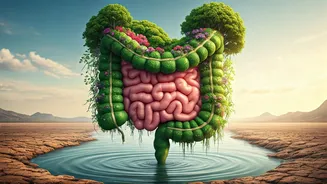
Before we dive into the 'what' to eat, let's understand the 'why'. Your digestive system is more than just a food processor; it’s a complex ecosystem often called the 'second brain'. Home to trillions of bacteria, this gut microbiome influences everything
from your immunity and nutrient absorption to your mood and energy levels. When this delicate balance is disrupted by stress, poor sleep, or a difficult diet, we feel it everywhere. The good news is that what we eat is one of the most powerful tools we have to nurture this inner world. Simple dietary shifts can lead to profound improvements in how we feel, day in and day out.
Embrace the Freshness Factor
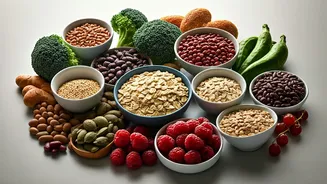
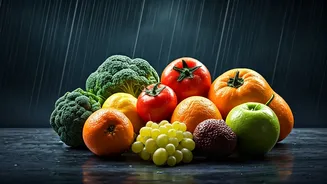
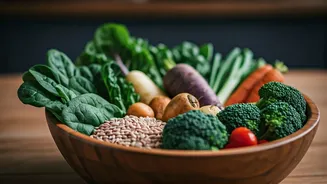
In the context of gut health, 'fresh' means more than just 'not expired'. It means eating foods that are as close to their natural state as possible. Think seasonal vegetables from the local market, freshly ground spices, and whole grains. Highly processed foods, packed with preservatives, sugars, and artificial ingredients, can be inflammatory and feed the 'bad' bacteria in your gut. Fresh, whole foods, on the other hand, are rich in fibre, phytonutrients, and enzymes that 'good' bacteria thrive on. This doesn't mean you can never have a packaged snack again, but making the bulk of your diet fresh and seasonal provides your gut with the high-quality fuel it needs to function optimally. It’s the difference between giving your gut a vibrant salad and giving it a pile of paperwork.
The Soothing Power of Warmth
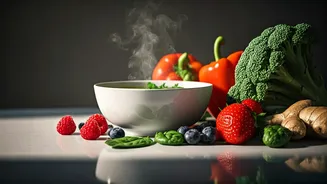
There’s a reason a warm bowl of dal or a comforting soup feels so good, and it’s not just emotional. From an Ayurvedic perspective, digestion is governed by 'agni', or digestive fire. Cold foods and drinks are believed to dampen this fire, making it harder for your body to break down food and absorb nutrients. Modern science offers a complementary view: cooking food pre-digests it for us. The heat breaks down tough plant fibres and complex proteins, making them much easier for our digestive enzymes to handle. This means less work for your gut, which can translate to less bloating, gas, and discomfort. A warm, cooked meal is like a gentle, soothing hug for your insides, allowing for more efficient digestion and nutrient absorption.
The Underrated Genius of Simplicity
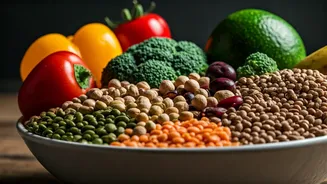
In a world of complex recipes and fusion cuisines, simplicity is a revolutionary act for your gut. A 'simple' meal is one with fewer ingredients and a straightforward preparation. Think of classic Indian comfort foods: khichdi, simple sabzis, or dal-rice. When you eat a meal with dozens of ingredients, spices, and heavy fats, your digestive system has to work overtime, producing a wide array of enzymes to break everything down. This can be overwhelming for the gut, leading to indigestion and fatigue. Simple meals are gentle. They reduce the digestive load, allowing your system to process the food efficiently without stress. This gives your gut a chance to rest and repair, which is crucial for long-term digestive health.
How to Get Started Today
Incorporating these principles doesn't require a radical diet overhaul. Start with small, manageable changes. Try swapping your cold breakfast cereal for a warm bowl of porridge or upma. Aim to have at least one simple, warm, home-cooked meal a day, like a sabzi with roti or a bowl of vegetable soup. When you cook, focus on using fresh, seasonal ingredients and gentle spices like turmeric, cumin, and ginger, which are known for their digestive benefits. The goal is not perfection but progress. Pay attention to how you feel after eating. Your body is an incredible guide, and soon you'll notice the connection between what you eat and how vibrant and energetic you feel.