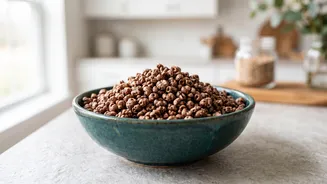





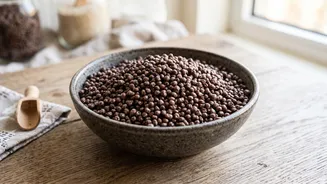
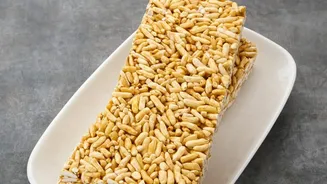
In the quest for healthier snacks, puffed ragi and popcorn have emerged as popular contenders. Both offer a satisfying crunch, but how do they stack up nutritionally? Let’s break down the facts to see which one might be the better choice for you.
Meet the Snacking Contenders
First,
let's get acquainted. Popcorn is a whole-grain corn kernel that puffs up when heated. It's a globally recognized snack, famous for its light, airy texture. Puffed ragi, on the other hand, comes from finger millet, a staple grain in many parts of India. Ragi is known for being a nutrient-dense millet, and when puffed, it becomes a light, crunchy snack, similar to puffed rice but with a distinct, slightly nutty flavour. Both are whole grains, which is a great starting point for any snack.
The Nutritional Showdown
When comparing plain, air-popped popcorn and plain puffed ragi, the nutritional differences are noteworthy. Ragi's most significant advantage is its high calcium content, which is crucial for bone health. Finger millet is one of the best plant-based sources of this mineral. Popcorn, while a whole grain, doesn't offer a comparable amount of calcium. Ragi also provides a good dose of iron. In terms of macronutrients, both are primarily carbohydrates and are naturally low in fat. A standard serving of air-popped popcorn is very low in calories, with a cup containing just around 30 calories. Puffed ragi's calorie count can be slightly higher depending on the specific product and density.
Fibre, Fullness, and Digestion
Both snacks are good sources of dietary fibre, which is essential for digestive health and promoting a feeling of fullness. This fibre content can help prevent overeating by making you feel satisfied for longer. Ragi, in particular, is lauded for its high fibre content, which aids in slow digestion. Popcorn is also a whole grain packed with fibre, which may help lower the risk of heart disease and improve cholesterol levels. For anyone looking to add more fibre to their diet through snacking, both are solid choices, though ragi often has a slight edge.
Blood Sugar and Glycemic Index
One of the most important distinctions lies in their effect on blood sugar. Ragi generally has a low-to-medium glycemic index (GI), meaning it releases sugar into the bloodstream more slowly. This is beneficial for managing blood sugar levels, making puffed ragi a more suitable option for individuals with diabetes or those looking to avoid sugar spikes. The GI of corn can be higher, and while popcorn is a whole grain, it may cause a quicker rise in blood sugar compared to ragi. However, the way these grains are processed and what you eat them with can alter the glycemic response significantly.
Preparation and Additives Make the Difference
The health benefits of either snack can be quickly undone by how they are prepared. Air-'popped' popcorn with no additions is a lean, healthy snack. However,' movie theatre popcorn drenched in butter and salt,' or microwave versions with added oils and artificial flavourings,' are a different story.' Similarly,' while plain puffed ragi is healthy,' many commercially available ragi puffs are roasted or fried and come loaded with salt,' spices,' and oils,' which add calories and sodium.' The healthiest way to enjoy either is in its most natural form,' perhaps with a light sprinkle of your own seasoning at home.'
Taste, Texture, and Versatility
Taste is subjective,' but there are clear differences.' Popcorn has a neutral,' slightly sweet flavour that makes it a perfect canvas for both sweet and savoury toppings.' Its texture is light and famously fluffy.' Puffed ragi has a more distinct,' earthy,' and nutty taste.' Its texture is generally crisper and denser than popcorn.' Both can be used in various ways beyond just snacking.' Puffed ragi can be added to trail mixes or used to make a healthier version of 'bhel puri',' while popcorn can be ground to coat other foods or used in dessert bars.'