






From Fabric to Feeling
When a customer can't physically touch a textile, your words have to do the heavy lifting. They must bridge the digital divide and create a sense of trust and connection. This is where storytelling becomes your most powerful tool. Studies in consumer
psychology show that people place a higher value on items when they know effort and skill were involved in their creation. This isn't just a feeling; it's a recognised cognitive shortcut. Knowing a real person, not a machine, dedicated their time and talent to an object makes it feel more authentic and meaningful. A product description that only lists materials and measurements is just data. But a description that tells a story forges an emotional bond, making your textile more memorable and desirable than its mass-produced counterparts. It shifts the conversation from price to value.
Introduce the Artisan Behind the Art
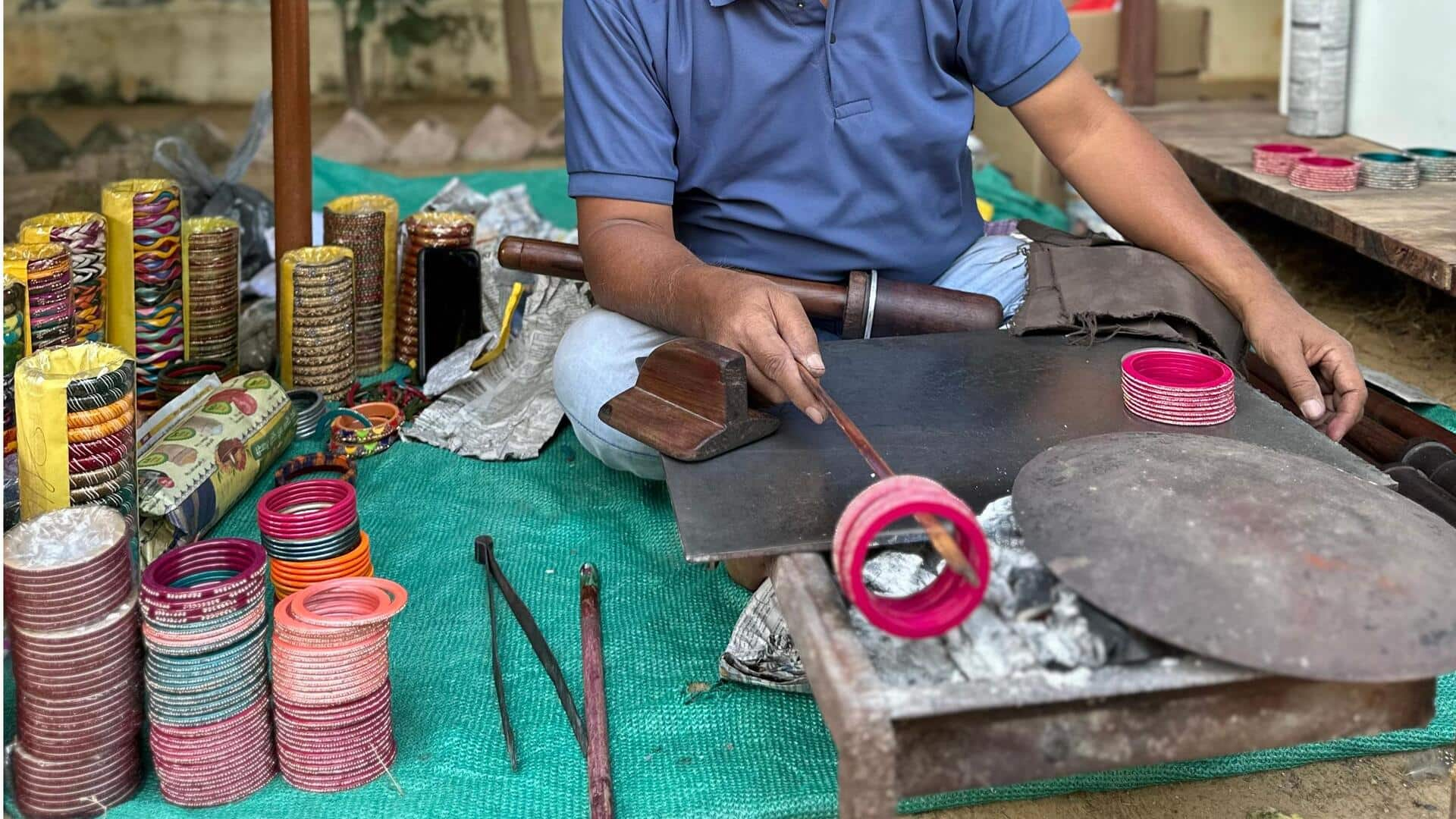
Your story begins with a person. Who is the weaver, the dyer, the printer? Don't just give a name; share their world. Talk about what inspired them to pursue their craft. Was it a skill passed down through generations, or a passion they discovered on their own? Sharing these personal details humanizes your brand and fosters a genuine connection with buyers. People want to support other people, not faceless corporations. Explain their philosophy. Perhaps they are committed to using natural dyes or reviving a forgotten weaving technique. This narrative builds a community around your work, turning customers into advocates who are invested in the artisan’s success. They are no longer just buying a textile; they are supporting a specific artist’s journey and vision.
Unravel the Intricacies of the Process
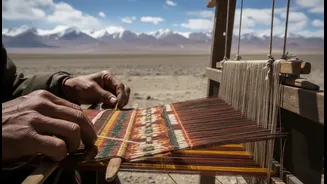
The 'how' is just as important as the 'who'. Detailing the creation process illuminates the skill and labour embedded in every thread. Explain the techniques used. Is it a hand-loomed fabric that took weeks to complete? Was it block-printed using hand-carved wooden blocks? Describe the materials with care. Instead of just saying “cotton,” you could describe it as “hand-spun organic cotton sourced from a local farming collective.” This level of detail does more than justify the price; it builds an appreciation for the craftsmanship. It educates the customer on what makes this item unique and superior in quality. Transparency about your process signals authenticity and ethical production, factors that are increasingly important to modern, conscious consumers who want to know the story behind what they buy.
Weave a Cultural Thread
Many textiles are steeped in cultural heritage, and sharing this context adds immense depth and value. A geometric pattern might not just be a design choice; it could be a traditional symbol of protection or prosperity. The vibrant colours in a sari may hold specific meanings tied to festivals or ceremonies. By explaining this cultural significance, you elevate the product from a decorative item to a piece of living history. This narrative connects the buyer to a broader tradition and a rich heritage, making the purchase feel more significant. It provides a deeper 'why' that resonates with customers looking for items with soul and substance. Sharing this knowledge respectfully and accurately honours the craft's origins and provides customers with a story they will be proud to share.
Writing an Irresistible Narrative
To bring it all together, focus on a few key writing principles. First, use sensory and emotive language. Instead of saying a blanket is “warm,” describe the feeling of “wrapping yourself in its cozy embrace on a chilly evening.” Help the customer imagine the product in their life. Second, structure your description for scanners. Use a short, engaging opening paragraph to tell the story, followed by clear bullet points for specifications like size, materials, and care instructions. This gives readers both the emotional hook and the practical information they need. Finally, be authentic. Your passion for the craft should shine through. In a marketplace full of generic claims, an honest and personal story is the ultimate differentiator.