





The Alarming Study Findings
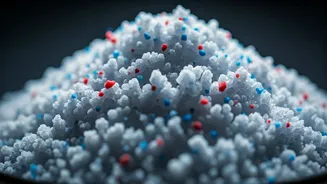
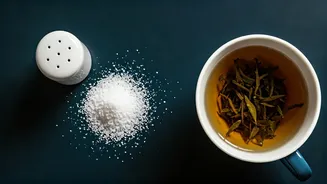
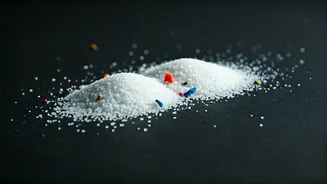
A recent investigation by the environmental NGO Toxics Link has sent ripples of concern through the country. Their study tested 15 popular brands of salt and sugar sold in India and found that 100% of the samples contained microplastics. The concentration
varied, with iodised table salt showing the highest levels—up to nearly 90 tiny plastic pieces per kilogram. In contrast, organic rock salt had the lowest concentration. Among sugar samples, non-organic varieties were found to have higher levels of contamination. These particles were a mix of fibres, films, and fragments, highlighting a widespread issue in our food supply.
It's Not Just Salt and Sugar
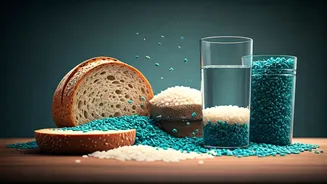
While the Toxics Link study focused on salt and sugar, the problem of microplastics extends to other foundational Indian staples. Separate research into India's rice supply has revealed a similar, troubling presence. One study found microplastics in all tested commercial rice samples, with an average of about 30 particles per 100 grams. Scientists have also found high concentrations of plastic particles in paddy fields across the country, suggesting the contamination begins long before the grains are harvested and packaged. This indicates that the issue is not just about packaging but deeply rooted in our agricultural environment.
How Do Plastics Get on Our Plates?
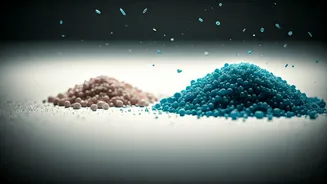
Microplastics are tiny plastic particles, less than 5 millimetres in size, that result from the breakdown of larger plastic items like bottles, bags, and industrial waste. They infiltrate our food chain through multiple pathways. Agricultural soils and rivers, including the Ganga, are increasingly contaminated with plastic waste. Crops absorb these particles through contaminated soil and irrigation water. Another major source is the packaging itself. Plastic containers, bags, and linings can shed particles into the food they are designed to protect, a process that can be accelerated by heat. From the field to the factory and finally to the kitchen shelf, plastic is an invisible hitchhiker.
The Unanswered Health Question
The most pressing question is what this means for our health. The honest answer is that scientists are still figuring it out. There is currently no definitive evidence linking the ingestion of microplastics from food to specific diseases in humans. However, laboratory and animal studies raise red flags. They suggest potential links to inflammation, oxidative stress, and disruptions to the immune and reproductive systems. Some studies have even shown that the smallest particles, called nanoplastics, may be able to penetrate organs and cross into the brain or the placenta. The concern is not just the plastic itself, but the toxic chemicals they can carry. Experts agree that urgent research into the long-term effects is needed.
Reducing Your Exposure
Completely avoiding microplastics is likely impossible in today's world, but you can take small steps to reduce your intake. Opt for fresh, unprocessed foods with minimal packaging where possible. Store food in glass or stainless steel containers instead of plastic ones, and never microwave food in plastic. Studies have shown that rinsing rice thoroughly before cooking can wash away a significant percentage of microplastics. When it comes to salt, choosing rock salt or Himalayan pink salt, which are mined from ancient beds, may be a better option than sea salt processed from today's polluted oceans. Using a water filter certified for microplastic removal can also help.