





Why Closed Footwear is Non-Negotiable
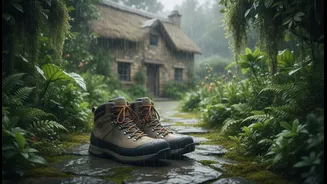
The single most important item to pack for a monsoon farmhouse stay is a pair of sturdy, closed shoes. The romantic notion of walking barefoot on wet grass quickly fades when you consider the reality. Heavy rains flood the burrows of snakes and scorpions,
forcing them to seek drier ground—which can include paths, verandas, and even inside homes. Species like the Common Krait, Russell's Viper, and Saw-scaled Viper are more active and frequently encountered during this season. Beyond reptiles, wet and muddy terrain is slippery and treacherous. Flip-flops or open sandals offer no protection from bites, stings, or injuries from sharp objects hidden in the mud. A good pair of ankle-high, waterproof hiking boots or even rubber gumboots is your best defence. They provide grip on slippery surfaces and create a crucial barrier between your feet and unseen hazards.
Navigating the Night with Caution
As darkness falls, the risks multiply. Many of the most venomous snakes in India, like the Common Krait, are nocturnal and more active at night. Their bites can be painless initially, making them especially dangerous. When moving around after sunset, whether it's a short walk from the car or a trip to an outhouse, caution is paramount. Never walk barefoot at night. Always carry a powerful flashlight to illuminate the path ahead of you and move slowly and deliberately. Before getting into bed, it’s a wise practice to check your bedding and under the bed. Similarly, check your shoes before putting them on in the morning, as small creatures may have sought refuge inside them overnight. These simple habits significantly reduce the risk of a dangerous encounter.
Your Monsoon-Ready Packing List
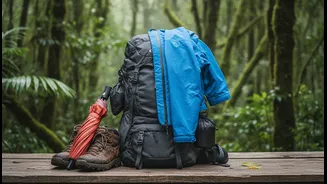
A successful trip depends on smart packing. During the monsoon, humidity is high and things take a long time to dry. Prioritise synthetic, quick-dry clothing over cotton or denim, which absorb moisture and stay damp for hours. Darker colours are practical as they don't show mud splashes. Essential items include a reliable raincoat or poncho, a compact umbrella, and a waterproof bag or dry sacks to protect electronics and documents. Power cuts are common in rural areas during storms, so a fully charged power bank is a lifesaver. Your first-aid kit should be monsoon-specific: include antiseptic wipes, waterproof bandages, insect repellent, and anti-fungal powder or cream, as the constant dampness can lead to skin issues.
Dealing with Uninvited Guests
Snakes aren't the only creatures that become more active during the monsoon. The rains bring an explosion of insect life. Mosquitoes, which can carry diseases like dengue and malaria, breed in stagnant water. Use mosquito nets while sleeping and apply a good quality repellent, especially in the evenings. Keep doors and windows closed after dusk to prevent moths and other insects, attracted by lights, from swarming indoors. It's also a good idea to ensure the property has well-maintained drainage to prevent water from collecting near the house, which can become a breeding ground for pests. Being mindful of your surroundings and taking these simple precautions can prevent annoying bites and potential health issues.
Embrace the Experience, Safely
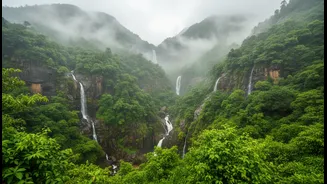
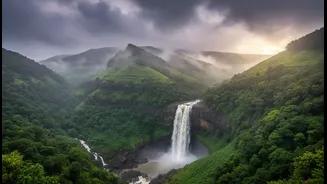
While these warnings may sound daunting, they are not meant to deter you. The goal is to be prepared so you can fully immerse yourself in the unparalleled beauty of the monsoon. The precautions quickly become second nature. By choosing the right gear and adopting a mindset of awareness, you free yourself from worry. You can relax on the veranda, watch the rain sweep across the landscape, and enjoy the cool, clean air. The vibrant green scenery, the sound of drumming rain, and the joy of a hot beverage in cool weather are experiences unique to this season. A well-prepared trip is a safe trip, allowing you to create wonderful memories without any unpleasant surprises.