






The Freedom of Two Wheels
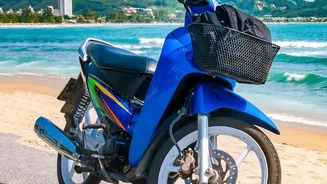
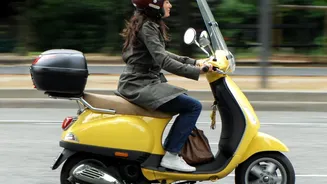
For a solo traveller in Bali, a scooter is more than just transport—it's a ticket to freedom. It allows you to weave through traffic, discover hidden beaches, and explore rice paddies at your own pace. Renting a scooter is incredibly affordable. In 2026,
you can expect to pay between IDR 60,000 to IDR 100,000 (about $4 to $6.50 USD) per day for a standard automatic scooter like a Honda Scoopy. Weekly and monthly rates offer even better value, often bringing the daily cost down significantly. To rent, you will legally need an International Driving Permit (IDP) with a motorcycle endorsement from your home country. While some vendors may not ask for it, police checkpoints are common, and riding without the proper license can lead to fines and, more importantly, may void your travel insurance. Always wear a helmet—most shops provide one, but the quality can vary—and never leave your original passport as a deposit; a photocopy or a cash deposit is standard practice. If you've never ridden a scooter before, Bali's chaotic traffic might not be the best place to learn.
What is a Warung?
A 'warung' is a small, family-owned eatery that is an essential part of daily life in Indonesia. These humble establishments, which can range from a simple street-side stall to a small restaurant, serve traditional Indonesian and Balinese food. They are the heart of the local culinary scene, offering an authentic taste of the island far from the tourist-centric cafes. The experience is typically no-frills: think plastic chairs and simple tables, where you often point at pre-cooked dishes displayed in a glass case. This style of eatery is where you will find locals eating, which is always a good sign. Don't be surprised to see a luxury car parked outside a simple warung; some are famous across the island for a single, perfectly cooked dish. For a solo traveller, they are not just a place to eat, but a window into Balinese culture.
Eating Well for Less
Dining at warungs is the single biggest money-saver for any traveller in Bali. While the island's trendy cafes in areas like Canggu and Seminyak can be as expensive as those in Western countries, warungs offer delicious, filling meals for a fraction of the price. A complete meal, such as Nasi Campur (mixed rice with various small portions of meat and vegetables) or Mie Goreng (fried noodles), can cost as little as IDR 25,000 to IDR 50,000 (roughly $1.60 to $3.20 USD), including a drink. A daily food budget of $10 to $15 USD is entirely realistic if you stick to these local gems. The price difference between a warung and a tourist restaurant can be three to five times for a similar dish, and often, the warung's version is more flavourful and authentic. To stay safe, choose busy warungs with high turnover, ensuring the food is fresh.
Putting It All Together
To maximise your budget, choose your home base wisely. Areas like Canggu or Ubud are popular with solo travellers and offer a high concentration of affordable guesthouses and warungs. A typical budget for a solo traveller can be as low as $35 to $40 USD per day, covering a dorm or basic guesthouse, three warung meals, and a scooter rental. Your scooter gives you the freedom to explore beyond the main drags. Head out for a day trip to a less-visited temple, find a quiet spot in the Tegalalang Rice Terraces, or just get lost on the roads around the Sidemen Valley. Many of Bali's best experiences, like watching the sunset from a beach or walking through villages, are completely free. By combining the cost-effective transport of a scooter with the authentic, cheap eats from local warungs, a solo traveller can not only survive but thrive in Bali, having a richer and more memorable experience than those who stick to the tourist trail.