



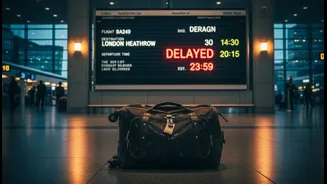
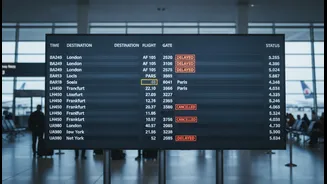


Know Your Rights Under DGCA Rules
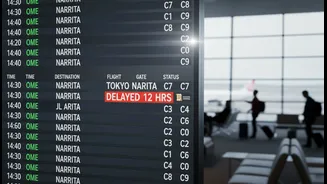
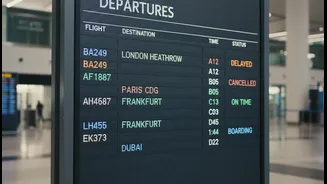
The first thing to check is your entitlement under India's Directorate General of Civil Aviation (DGCA) regulations. These are not goodwill gestures from the airline; they are your legal rights. For domestic flights, if the airline cancels with less than
two weeks' notice and fails to arrange an alternate flight, you are entitled to compensation ranging from ₹5,000 to ₹10,000, in addition to a full refund. For significant delays, your rights also kick in. If a delay is expected to be over two hours, the airline must provide you with free meals and refreshments. If the delay stretches overnight, they are obligated to provide hotel accommodation and transfers. It is crucial to remember that these rules for compensation do not apply if the disruption is due to 'extraordinary circumstances' beyond the airline's control, such as severe weather or political instability. However, even in these cases, the airline's 'duty of care' remains, meaning they must still offer meals and accommodation for long delays.
Contact the Airline Immediately
As soon as you learn of a disruption, get in touch with the airline. You can do this at the check-in counter, the gate, or via their customer service helpline. When you speak to them, ask for the reason for the delay or cancellation in writing. This is crucial for any future claims. If your flight is cancelled, the airline must offer you a choice: either a full refund of your ticket or an alternate flight at no extra cost. You get to choose, not the airline. If you are rebooked on a later flight, confirm the new details and ask about provisions for meals or accommodation if the wait is long. Many airlines also offer self-re-accommodation services through their apps or websites, which can be a faster way to secure a new flight.
Document Everything Meticulously
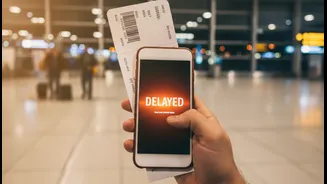
In the stress of the moment, it is easy to forget this step, but it is one of the most important. Keep a detailed record of everything. This includes your original e-ticket and boarding pass, any notifications you receive from the airline about the delay or cancellation, and the names of any airline staff you speak with. If you are forced to spend money because of the disruption, keep all original receipts for meals, refreshments, and any necessary hotel stays or transport. You will need this documentation to support any claim for reimbursement, whether from the airline or your travel insurance provider. A simple folder on your phone to store photos of these documents can be invaluable.
Check Your Travel Insurance Policy
If you purchased travel insurance, now is the time to review your policy. Many plans offer coverage for trip delays and cancellations. Typically, coverage for delays kicks in after a specified period, often between 6 and 12 hours. The policy may reimburse you for expenses like meals, accommodation, and essential toiletries if your baggage is also delayed. For a claim to be successful, you must have official proof from the airline stating the reason and duration of the delay. It is important to notify your insurance provider about the disruption as soon as possible, as many policies have a time limit for intimation, often within 24 to 48 hours.
Review Your Credit Card Benefits
Don't forget to check the benefits offered by the credit card you used to book your flight. Many premium credit cards come with complimentary travel insurance that includes coverage for flight delays, cancellations, and lost baggage. The coverage might be similar to a standalone travel insurance policy, providing reimbursement for necessary expenses incurred during the disruption. You will need to check your card's specific terms and conditions to understand the extent of the coverage, the documentation required, and the process for filing a claim. This hidden perk can be a lifesaver, providing a financial cushion when you need it most.
How to Escalate a Grievance
If you feel the airline is not honouring its obligations, there is a clear path for escalation. The first step is to file a formal complaint directly with the airline's grievance redressal officer. If you do not receive a satisfactory response, you can escalate the matter through the government's AirSewa portal or app, which is monitored by the DGCA. This platform allows you to lodge your complaint with all your supporting documents. If the issue remains unresolved, your final recourse is to approach a consumer dispute redressal commission.