





A Rebellion Against the Generic
Walk into any modern rental in a major Indian city, and you might see a familiar landscape of minimalist, factory-made furniture. It’s clean, it’s functional, but it often lacks a soul. In response, a growing number of renters are pushing back against
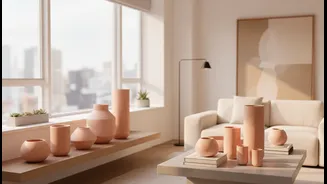
this uniformity. They are seeking out items that tell a story, objects with texture, history, and a human touch. This has sparked a renewed appreciation for local craftsmanship, with terracotta—the humble 'baked earth'—at the forefront. This is more than a design trend; it’s a cultural shift away from the impersonal and towards the authentic. Renters are finding that a hand-thrown pot or a uniquely shaped lamp brings a sense of personality that a store-bought item simply cannot replicate, transforming a temporary address into a real home.
The Hands-On Appeal of Clay
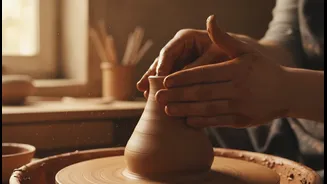
The movement goes beyond mere consumption. All across India, from Delhi to Bangalore to Kochi, pottery studios are seeing a surge in interest from city dwellers eager to learn the craft themselves. These workshops offer a powerful antidote to the digital fatigue of modern urban life. The act of working with clay is inherently mindful and therapeutic. It demands focus, pulling you away from screens and into the present moment. For many, the feeling of moulding a formless lump of clay into something beautiful and functional provides a profound sense of accomplishment and a release from everyday stress. It’s a chance to disconnect from the abstract world of emails and deadlines and reconnect with something tangible and real.
Finding Community, One Pot at a Time
In the often-isolating environment of a big city, these terracotta and pottery workshops serve another vital purpose: building community. They are social spaces where people from different walks of life can connect over a shared creative activity. Friendships are formed between the gentle hum of the potter's wheel and shared laughter over a wobbly first attempt. For renters who may not have deep roots in their neighbourhood, these classes offer a sense of belonging. It’s a space to not only meet new people but also to connect with local artisans who are passionate about preserving their heritage. This exchange between creators and learners helps keep ancient art forms alive, ensuring that traditional skills are passed down to a new, appreciative generation.
Sustainable, Soulful and Rooted in Heritage
The terracotta trend also aligns perfectly with a growing consciousness around sustainability. Unlike plastic or synthetic materials, clay is a natural, eco-friendly resource. By choosing or creating terracotta items, renters are making a choice that is kinder to the planet. But the connection runs deeper, tapping into a rich cultural history. Terracotta has been a cornerstone of Indian life for millennia, from the vessels of the Indus Valley Civilization to the intricate temple facades of Bengal. For many urban Indians, working with clay is a way of reconnecting with their roots. It’s a celebration of a legacy of craftsmanship that is both timeless and deeply Indian, bringing a piece of that history into their modern homes.