





A Journey Transformed
For decades, the drive between Rajasthan's tourist hubs of Jaipur, Jodhpur, and Jaisalmer was an adventure in itself, but often a long and tiring one. Winding, two-lane roads, unpredictable traffic, and long hours behind the wheel were standard. Today,
that narrative is changing dramatically. Thanks to significant infrastructure projects, including the development of new expressways and the widening of existing national highways, the journey has been transformed. What was once a day-long drive is becoming a much more manageable and pleasant experience, encouraging more travellers to explore the state by road. Smooth, well-maintained four-lane highways are increasingly replacing the older, congested routes, making the classic Rajasthani road trip more accessible and enjoyable for everyone.
The New Arteries of Rajasthan
The backbone of this transformation includes major upgrades to National Highway 25 (NH-25), which connects Jodhpur to Barmer and beyond, and the development of new greenfield expressways like the Amritsar-Jamnagar Economic Corridor. The Jaipur to Jodhpur leg, primarily via NH-48 and then linking to the upgraded NH-25, now offers a much smoother ride. This stretch, covering approximately 350 kilometres, which used to take well over six hours, can now be comfortably covered in about five to six hours. Similarly, the drive from Jodhpur to Jaisalmer, a distance of around 280 kilometres along NH-125 and NH-11, now takes between 4.5 to 5.5 hours thanks to well-maintained, smooth highways. These routes are not just faster; they are built to a modern standard, designed for higher speeds and greater safety.
More Lanes, More Safety
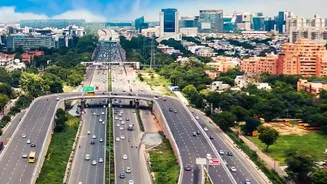
The single biggest safety improvement comes from the expansion to four or even six lanes. This creates a physical median, which drastically reduces the risk of head-on collisions, one of the most severe types of road accidents. But the safety features go beyond just extra lanes. These modern highways often include bypasses around congested towns like Pokhran, allowing through-traffic to maintain speed without navigating narrow city streets. Advanced Traffic Management Systems (ATMS) are being deployed across Rajasthan's new expressways, featuring AI-powered CCTV cameras, speed detection systems, and variable messaging signs to warn drivers of hazards ahead. Furthermore, enhanced road markings, better signage, and the installation of crash barriers at critical points all contribute to a safer driving environment. A dedicated 1033 helpline and regular highway patrols ensure that assistance is never far away in case of an emergency.
Connecting Rajasthan's Tourist Circuit
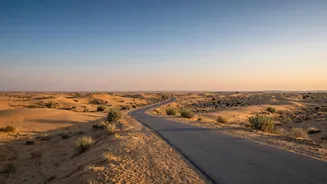
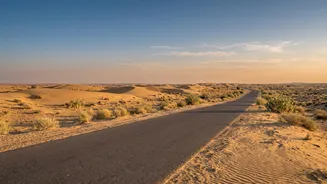
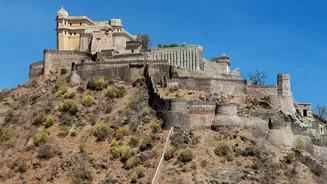
These upgraded roads do more than just connect two points; they effectively link Rajasthan’s entire western tourist circuit. The faster travel times make multi-city itineraries far more practical. Tourists can now spend less time on the road and more time exploring the Blue City of Jodhpur, the Golden Fort of Jaisalmer, and the desert landscapes in between. This improved connectivity makes it feasible to plan a comprehensive trip from the capital, Jaipur, deep into the Thar Desert without the fatigue associated with older road conditions. The reliability and comfort of the new highways encourage more self-drive tourism and make hiring a car a more attractive option for exploring the region at one's own pace.
The Broader Economic Impact
Beyond tourism, these infrastructure projects are a lifeline for the region's economy. The Amritsar-Jamnagar Expressway, for instance, is a crucial economic corridor that will dramatically cut freight transport times between the industrial north and the ports of Gujarat. This boosts trade and reduces logistics costs for businesses across Rajasthan. By connecting industrial hubs and production centres like the Pachpadra refinery to a high-speed network, the expressways are set to unlock new economic potential for the state. For travellers, this economic activity also translates into better wayside amenities, including modern rest areas, fuel stations, and restaurants, further improving the journey. These highways are not just roads; they are catalysts for regional development and prosperity.