

The Storage and Taste Paradox
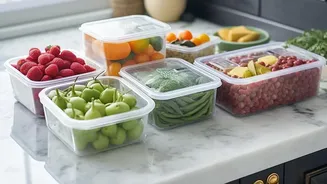
We're all taught the basics: put vegetables in the crisper drawer, keep certain fruits on the counter, and refrigerate leftovers promptly. But the real secret to preserving flavour goes deeper than just temperature. Fresh fruits and vegetables are still
living, respiring organisms after being harvested. How they are stored can dramatically alter their natural chemical processes, changing their sugar content, texture, and aroma. Storing food correctly slows down spoilage, but it doesn't always pause the subtle changes that affect taste. Factors like humidity, air exposure, and even the neighbours of your produce in the fridge play a huge role in whether that tomato tastes vibrant and juicy or dull and mealy.
The Invisible Ripener: Ethylene Gas
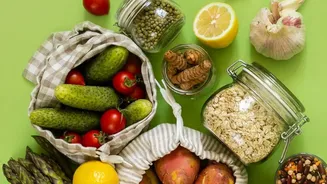
One of the biggest culprits behind accelerated spoilage is ethylene, a harmless, invisible gas that many fruits produce as they ripen. Think of it as a ripening hormone. Fruits like apples, bananas, mangoes, and tomatoes are major ethylene producers. When you store these next to ethylene-sensitive vegetables like leafy greens, broccoli, carrots, and cucumbers, you're unintentionally speeding up their decay. The ethylene gas from the fruit can cause the vegetables to yellow, wilt, or develop bitter flavours much faster. The simple solution is separation. Designate one crisper drawer for ethylene-producing fruits and another for sensitive vegetables to extend the life and flavour of both.
When the Fridge Is Not a Friend
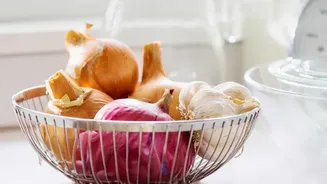
While the refrigerator is a modern marvel, it can be a flavour killer for certain types of produce, particularly those of tropical origin. This is due to a phenomenon called 'chilling injury'. It occurs when produce is stored at temperatures that are cool but still above freezing, causing cellular damage. The most famous victim is the tomato. Refrigerating a tomato stops it from producing the aromatic compounds that create its signature flavour. The cold also breaks down its internal structure, leading to that dreaded grainy, mealy texture. Similarly, potatoes suffer in the cold; their starches convert to sugar, resulting in a sweet, off-flavour and a strange texture when cooked. Onions, garlic, and bananas are other common items that are best left out of the cold for optimal taste.
Taming Your Tender Greens and Herbs
Nothing is more frustrating than buying a fresh bunch of coriander or mint for a chutney, only to find it a sad, wilted mess the next day. These delicate herbs lose moisture very quickly. The best way to store tender herbs like coriander, mint, and parsley is to treat them like a bouquet of flowers. Trim the stems and place them upright in a jar with about an inch of water. Cover them loosely with a plastic bag and store them in the fridge (except for basil, which hates the cold and should be kept at room temperature). For heartier, woody herbs like rosemary and thyme, you can wrap them in a slightly damp paper towel and place them in a sealed bag or container in the crisper. This gentle humidity keeps them vibrant and flavourful for much longer.
From Perfect to Plan B: Using Imperfect Produce
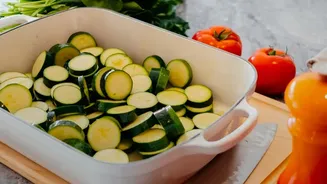
Even with the best storage strategies, sometimes produce will lose its peak freshness. A slightly soft tomato or a bendy carrot doesn't have to end up in the bin. This is your chance to get creative. Vegetables that are a bit past their prime are perfect for cooked applications where texture is less important. That slightly wrinkled bell pepper can be roasted, those soft tomatoes can be simmered into a delicious pasta sauce, and those wilting greens can be thrown into a soup, dal, or a versatile vegetable curry. Bendy carrots and celery can often be revived by soaking them in cold water for 30 minutes. Embracing these 'Plan B' cooking methods not only reduces food waste but also saves money.