





Decoding the Blend: What is Chicory?
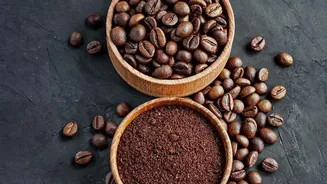
Before we get into the numbers, let’s talk about the other ingredient in the bag. Chicory is a plant, and for coffee blends, its root is the star. The root is roasted and ground, much like coffee beans. Historically, it was used as a coffee substitute,
especially during times of scarcity, because it was more affordable and readily available. Over time, particularly in South India, the practice of blending chicory with coffee evolved from a necessity to a beloved tradition. This isn't just about stretching the coffee; it’s about creating a specific, desired flavour profile that has become synonymous with traditional Indian filter coffee, or 'kaapi'.
The Numbers Don't Lie: What the Percentage Means
The percentage on the front of the packet is a straightforward ratio: it tells you the proportion of coffee to chicory in the blend. An '80/20' blend, one of the most popular configurations, contains 80% coffee and 20% chicory. A '70/30' blend contains 70% coffee and 30% chicory, and so on. You can find blends ranging from a subtle 90/10 to a very chicory-forward 60/40 or even 50/50. This number is the single most important piece of information on the pack, as it directly impacts the sensory experience and characteristics of your brewed coffee.
How Chicory Shapes Your Sip
So, why does this ratio matter so much? Because chicory fundamentally changes the brew. Here's how: Taste and Aroma: Chicory itself has a unique flavour—it’s slightly woody, nutty, and can have a caramel-like sweetness. When blended, it mellows the natural bitterness and acidity of coffee, resulting in a smoother, more rounded taste. A higher chicory percentage will lead to a more pronounced roasted, earthy flavour. Body and Thickness: One of chicory’s most prized contributions is the body it adds to the coffee. It creates a thicker, more viscous decoction. This is a key characteristic of South Indian filter coffee, contributing to its satisfyingly heavy mouthfeel that pairs beautifully with milk. Caffeine Content: This is a crucial point. Chicory root is naturally caffeine-free. Therefore, the more chicory in your blend, the less caffeine there is in your cup. A 60/40 blend will have significantly less caffeine than a 90/10 blend, making it a great option for an evening cup or for those sensitive to caffeine.
The Price and Health Equation
Chicory is less expensive than coffee beans. As a result, blends with a higher percentage of chicory are generally more budget-friendly. This allows consumers to enjoy a robust coffee-like experience at a lower price point. But it's not just about cost. Chicory root is a source of inulin, a type of prebiotic fibre that can support digestive health by feeding beneficial gut bacteria. While the amount in a single cup of coffee might be modest, it’s an interesting bonus to the blend's flavour contributions.
Choosing Your Perfect Ratio
With this knowledge, you can now approach the coffee aisle like a pro. Your choice depends entirely on your personal preference: For the Coffee Purist (90/10 to 100% Coffee): If you love the bright, acidic, and complex notes of unadulterated coffee, look for blends with very little or no chicory. For the Traditional 'Kaapi' Lover (80/20 or 75/25): This is the sweet spot for many, offering a perfect balance of coffee flavour with the body, colour, and mellow sweetness of chicory. For a Thick, Milder Brew (70/30): If you prefer a heavier-bodied coffee with lower acidity and less of a caffeine jolt, a 70/30 blend is an excellent choice. For a Low-Caffeine, Economical Cup (60/40 and below): This ratio provides a very thick decoction and the lowest caffeine content, making it ideal for those who want a warm, coffee-like beverage that's gentle on both the wallet and the nervous system.