


Why Extra Care Is Needed During Monsoon
The monsoon's damp, humid weather is a welcome relief from the summer heat, but it's also the perfect breeding ground for bacteria and mould. This applies to many fresh foods, and mushrooms are no exception. Because they grow in moist conditions, they can
be more susceptible to bacterial contamination during this season. The high moisture in the air can also accelerate spoilage, making it crucial to be more vigilant right from the point of purchase to the moment they land on your plate. While there's no need to eliminate mushrooms from your diet, a few extra precautions ensure you get all their flavour and nutritional benefits without any of the risks.
Start at the Store: How to Select Fresh Mushrooms
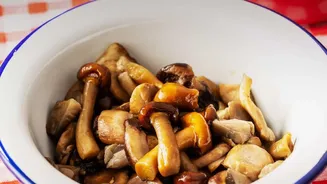
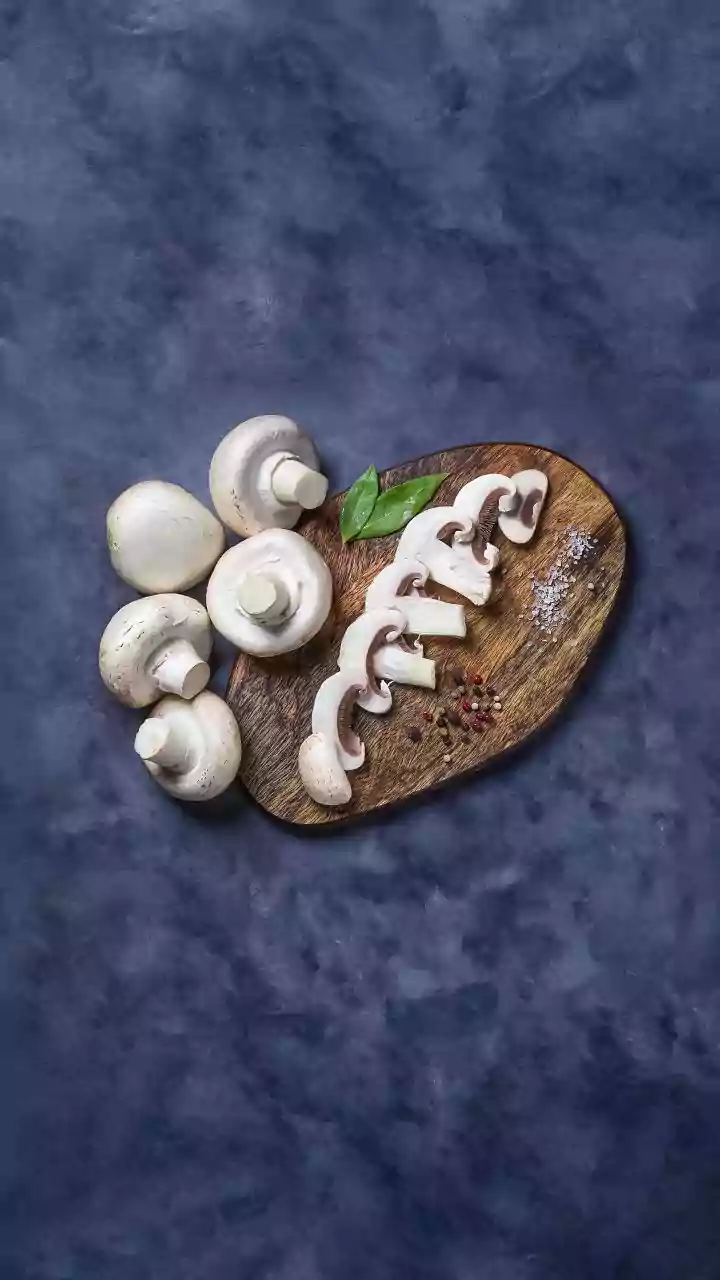
Your first line of defence is choosing the best quality mushrooms available. Always opt for loose mushrooms over pre-packaged ones if possible, as this allows you to inspect them thoroughly. Look for mushrooms that are firm, plump, and have a smooth, dry appearance. Avoid any that are slimy, have dark spots, look shrivelled, or feel damp. A fresh mushroom should have an earthy smell, not a sour or fishy one. For button or cremini mushrooms, a closed veil under the cap (the thin membrane connecting the cap to the stem) indicates a younger, milder mushroom. If you see signs of bruising or decay, it's best to leave them behind.
Proper Storage to Prevent Spoilage
Once you bring your mushrooms home, how you store them makes a significant difference. Never keep fresh mushrooms in an airtight plastic bag or container. This traps moisture and can promote the growth of harmful bacteria, including the one that causes botulism. The best method is to store unwashed mushrooms in a porous paper bag in the main compartment of your refrigerator. This allows them to breathe and prevents moisture from building up, keeping them fresh for up to a week. If they came in a plastic-wrapped container, you can keep them in it, provided the film has perforations for air circulation.
The Crucial Cleaning Step
There's a long-standing debate about whether to wash mushrooms. Because they are porous, they can absorb water, which can make them soggy when cooked. However, cleaning is non-negotiable, especially during the monsoon. For most store-bought mushrooms that are relatively clean, a gentle wipe with a damp paper towel or a soft brush is sufficient. If you see visible dirt, it is perfectly fine to give them a quick rinse under cool, running water—just be sure to pat them completely dry with a paper towel immediately afterwards. Do not soak them. Proper cleaning removes not just dirt, but also potential surface bacteria.
Cooking Thoroughly for Complete Safety
Cooking is the final and most important step to ensure your mushrooms are safe to eat. Raw foods are generally best avoided during the monsoon, and mushrooms should be cooked thoroughly. This will kill any lingering bacteria or pathogens. Sautéing, roasting, or grilling at a medium-high to high heat is ideal. This method helps the water content in the mushrooms evaporate quickly, preventing them from becoming soggy and allowing them to brown nicely. Since mushrooms aren't considered a high-risk food like meat, cooking them to an internal temperature of around 145°F (63°C) is generally sufficient. Never eat store-bought mushrooms raw, and always discard any that seem off in smell or texture before cooking.
A Note on Wild vs. Store-Bought
This guide applies strictly to commercially grown, store-bought mushrooms. The monsoon season also encourages the growth of wild mushrooms, many of which can be poisonous and even lethal. It is extremely difficult for a non-expert to distinguish between safe and toxic varieties. Dangerous myths persist, such as the idea that all poisonous mushrooms are brightly coloured or that cooking makes them safe—this is untrue, as many deadly toxins are heat-stable. For your safety, only consume mushrooms purchased from a reliable grocery store or vendor, which are regulated and grown for consumption.