

The Search for Simplicity
For many, the biggest obstacle to a healthy diet isn't a lack of desire, but a lack of time. The daily demands of work and family can leave little energy for complicated recipes that require multiple pots, pans, and precise steps. In response, a major
shift is happening in home kitchens. People are moving away from elaborate cooking projects and embracing streamlined techniques that deliver maximum flavour and nutrition with minimal fuss. This trend is about practicality. It acknowledges that for healthy habits to stick, they need to fit into our busy schedules. The solution isn't about eating less or cutting out food groups, but about cooking smarter.
The Magic of One-Pan Meals
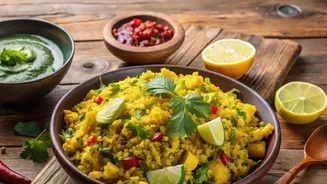
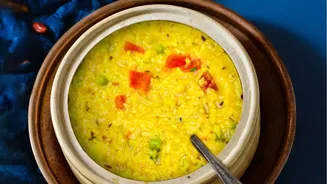
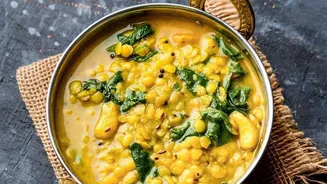
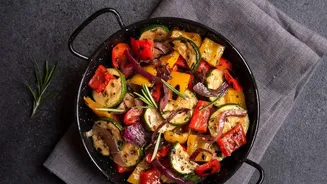
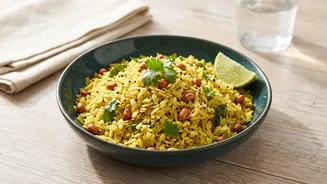
Enter the one-pan or one-pot meal, a game-changer for weeknight dinners. The concept is simple: all your ingredients—protein, vegetables, and carbohydrates—are cooked together in a single pot on the stove or a sheet pan in the oven. This method has several key benefits. Firstly, it dramatically reduces cleanup, a major plus for any busy household. Secondly, cooking all the ingredients together allows their flavours to meld, creating a richer, more integrated taste. Think of a one-pan tandoori chicken with rice, where the rice absorbs all the delicious spices from the chicken as it bakes. Many classic Indian dishes, from jalfrezi to kitchari, can also be adapted into satisfying one-pot meals.
The Rise of the Power Bowl
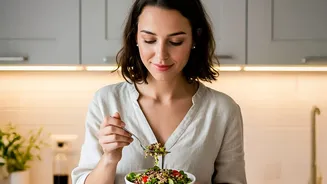
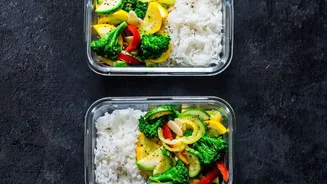
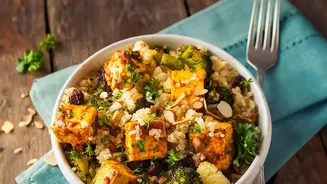
Alongside one-pan meals, the “bowl” has become a staple for quick, healthy eating. A power bowl is less a specific recipe and more of a customisable formula. It typically starts with a base of whole grains (like quinoa or brown rice) or leafy greens. To this, you add a protein (such as grilled paneer, chickpeas, or chicken), a variety of fresh or roasted vegetables, and a flavourful sauce or dressing. The beauty of the bowl is its versatility and how it encourages balanced nutrition. It’s a simple way to ensure you're getting a good mix of protein, fibre, and vitamins in one meal. You can easily create an Indian-inspired Buddha bowl with curried chickpeas, rice, fresh vegetables, and a dollop of mango chutney for a complete and satisfying dish.
Faster, and Healthier Too
Speed and convenience are great, but the health aspect is what makes these trends so powerful. One-pan and one-bowl meals make it easy to control portions and load up on vegetables. Cooking everything in one pot can also help retain more nutrients that might otherwise be lost when, for example, boiling vegetables and discarding the water. Dietitians often recommend these methods because they offer a clear structure for building a balanced meal: a protein, a high-fibre carbohydrate, and plenty of colourful vegetables. By preparing your meals this way, you have total control over the ingredients, reducing reliance on processed foods that are often high in salt and unhealthy fats.
Getting Started in Your Kitchen
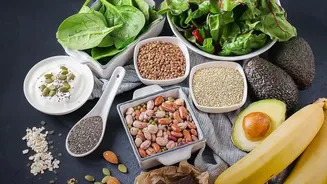
Adopting these faster cooking methods doesn't require a complete kitchen overhaul. Start by keeping a well-stocked pantry with staples like canned beans, lentils, whole grains, and long-lasting vegetables like onions and potatoes. Having frozen vegetables and proteins on hand is another time-saving trick. Invest in a good quality sheet pan or a versatile pot. Begin with simple combinations, like roasting chopped vegetables with chicken or paneer tossed in your favourite spices. For bowls, try batch-cooking a grain like quinoa at the start of the week that you can use as a base for several different meals. The key is to start simple and find flavour combinations that you and your family enjoy.