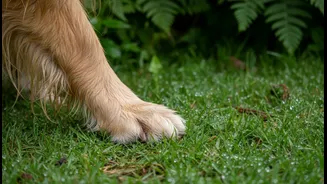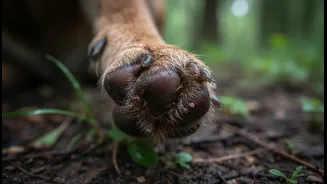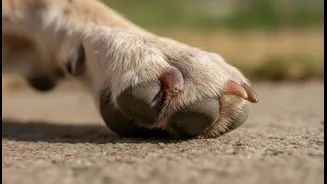







The Perfect Storm: Monsoon, Moisture, and Paws
The Indian monsoon brings welcome relief from the summer heat, but for our dogs, it creates a challenging environment. High humidity, often soaring above 80%, means your dog’s coat and paws rarely dry completely between walks. This constant dampness,
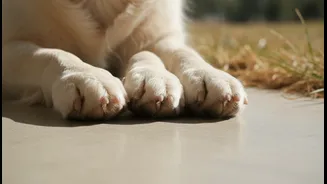
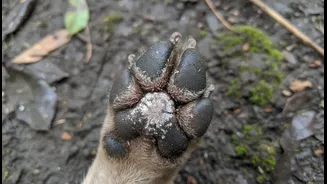
especially in the warm, enclosed spaces between their toes, becomes a perfect breeding ground for fungi and bacteria. Every walk through muddy puddles and wet streets introduces a host of microorganisms. The paws, which contain a dog's sweat glands, are naturally damp to begin with, making them ground zero for monsoon-related infections.
The Allergy Connection: A Weakened Defence
So, where do allergies fit in? Think of allergies as the key that unlocks the door for fungal invaders. Seasonal allergies, or atopic dermatitis, can be triggered by an increase in environmental allergens like mould and pollen during the monsoon. These allergies compromise the skin's natural barrier, causing inflammation and intense itchiness. As your dog licks, chews, and scratches to relieve the itch, they create microscopic breaks in the skin. These tiny wounds become the perfect entry points for opportunistic fungi, like Malassezia, that are naturally present on the skin but grow out of control when conditions are right.
Know the Signs of a Paw Infection
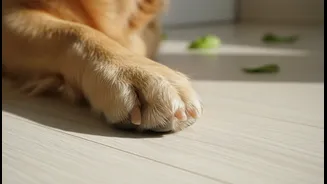
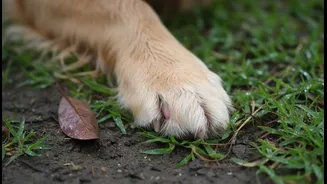
Early detection is crucial to prevent minor irritation from becoming a painful infection. As a pet parent, you are the first line of defence. Watch for these tell-tale signs: Persistent Licking and Chewing: This is often the very first and most obvious symptom. Redness and Swelling: Inspect the skin between the toes and paw pads for any inflammation. A Musty Odour: A distinct smell, sometimes described as being like “corn chips” or cheesy, is a hallmark of a yeast infection. Discharge or Flaky Skin: You might see greasy or flaky skin, and in more advanced cases, a waxy discharge. Hair Loss and Staining: The fur around the paws may become stained a reddish-brown colour from saliva, and you might notice some hair loss. Limping or Reluctance to Walk: This indicates that the paws are painful.
Your Monsoon Prevention Playbook
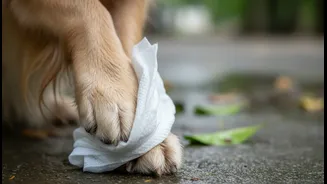
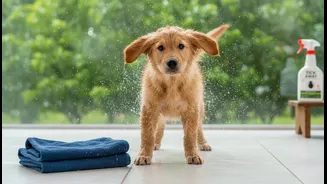
Prevention is far more effective than treatment. Integrating a few simple habits into your daily routine can keep your dog’s paws healthy throughout the rainy season. 1. The Post-Walk Ritual: After every single walk, thoroughly clean and dry your dog’s paws. Use a soft, absorbent towel and make sure to get into the spaces between each toe. 2. Strategic Grooming: Keep the hair between your dog's paw pads trimmed short. This reduces the surface area where moisture and mud can get trapped. 3. Choose Walks Wisely: If possible, avoid walking through stagnant water and excessively muddy areas, which can harbour a high concentration of bacteria. 4. Boost Immunity from Within: A balanced, nutrient-rich diet supports a strong immune system, which is better equipped to keep yeast populations in check. Probiotic supplements may also help maintain a healthy skin microflora.
Treatment: When and How to Act
If you spot the early signs of irritation, you can try some at-home care. A gentle paw soak with a vet-approved antiseptic can help. However, it is critical to consult a veterinarian for a proper diagnosis, especially if the symptoms persist or worsen. A vet can confirm if it's a fungal issue (like a yeast infection), a bacterial one, or both. Treatment typically involves medicated shampoos or wipes containing ingredients like miconazole or chlorhexidine. In more severe cases, your vet might prescribe topical antifungal creams or even oral medications to fight the infection from the inside out. Never use human antifungal creams unless specifically told to by your vet, as they can be harmful if ingested.