
A Game-Changing Discovery
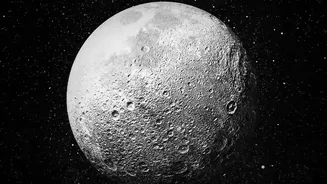
For decades, scientists have theorized about the presence of water on the Moon. Early missions dating back to the Apollo era found trace amounts, but definitive proof of larger, accessible reserves remained elusive. That has now changed. Using advanced
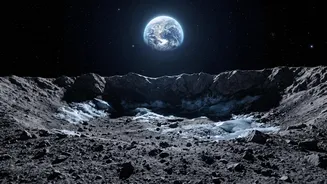
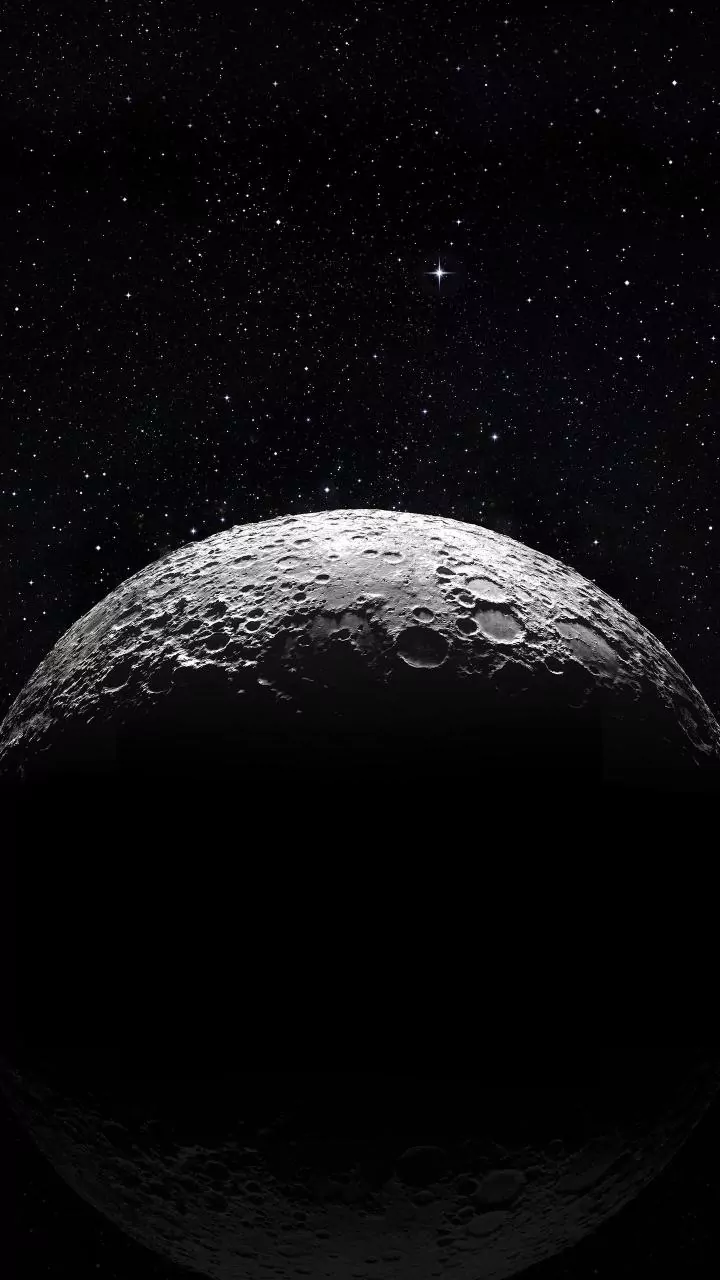
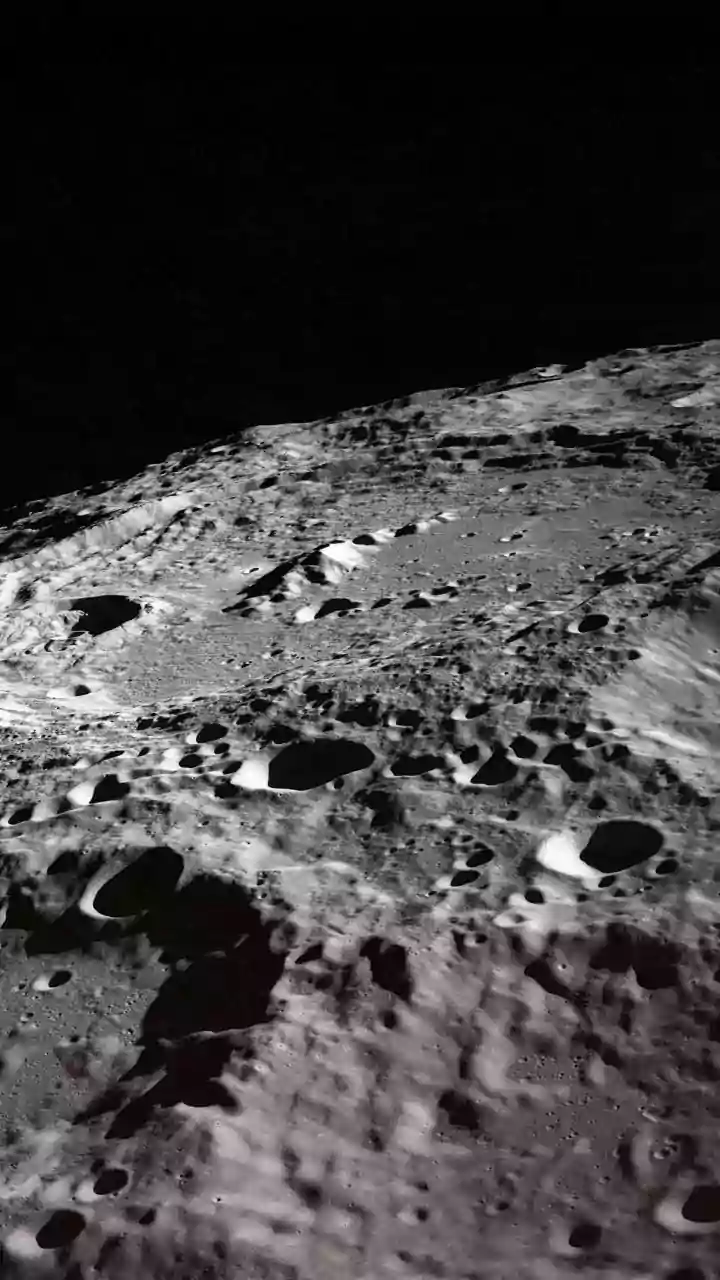
infrared instruments, scientists have been able to peer into the coldest, darkest places on the Moon and confirm what they had long hoped for: substantial deposits of water in the form of ice. These reserves are primarily located in permanently shadowed regions (PSRs) inside craters near the lunar north and south poles, where temperatures never rise above minus 250 degrees Fahrenheit. These areas have not seen sunlight in billions of years, allowing ice to remain stable just under or on the surface. The confirmation came from instruments like NASA's Moon Mineralogy Mapper aboard India's Chandrayaan-1 spacecraft, which could differentiate the unique signature of solid ice from liquid water or vapor by analyzing how it absorbs infrared light.
How Infrared Imaging Unlocked the Secret
So, how can a telescope see ice in a place that's permanently dark? The answer lies in infrared light. Instruments like NASA’s Stratospheric Observatory for Infrared Astronomy (SOFIA), a telescope mounted on a Boeing 747, fly high above the Earth's atmosphere to get a clear view. These instruments don't look for visible light; they detect the specific wavelength of energy that water molecules emit or absorb. For years, researchers could detect hydrogen but couldn't be sure if it was part of water (H2O) or its chemical relative hydroxyl (OH). By homing in on a wavelength of 6.1 microns, which is unique to H2O, scientists were able to finally confirm the presence of actual water molecules. This technology has not only confirmed ice in the shadowed poles but has also surprisingly detected water molecules on sunlit parts of the Moon, possibly trapped within glass beads or between grains of lunar soil, shielded from the harsh environment.
The Ultimate Resource for Lunar Settlers
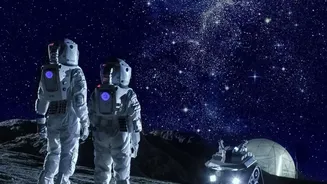
The confirmation of water ice is not just a scientific curiosity; it's the key to unlocking the future of space exploration. The cost of launching materials from Earth is immense, and water is one of the heaviest and most critical supplies. Having a local source on the Moon—a concept known as in-situ resource utilization (ISRU)—is a complete game-changer. This lunar water can be melted and purified for drinking and for growing plants in future habitats. But its most valuable application might be as a fuel source. Through a process called electrolysis, which can be powered by solar panels on the Moon, water can be split into its core components: hydrogen and oxygen. These two elements are the primary components of modern rocket propellant. This opens the door to creating a lunar refueling station, making missions to Mars and deeper into the solar system far more feasible and affordable.
A New Global Space Race Begins
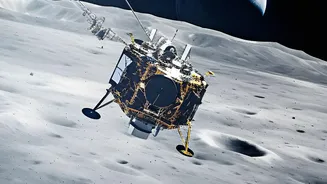
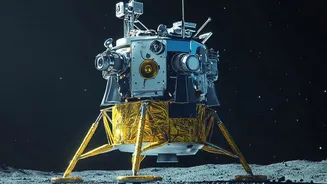
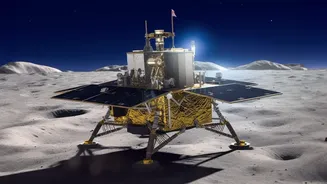
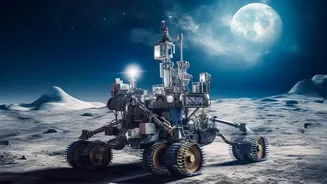
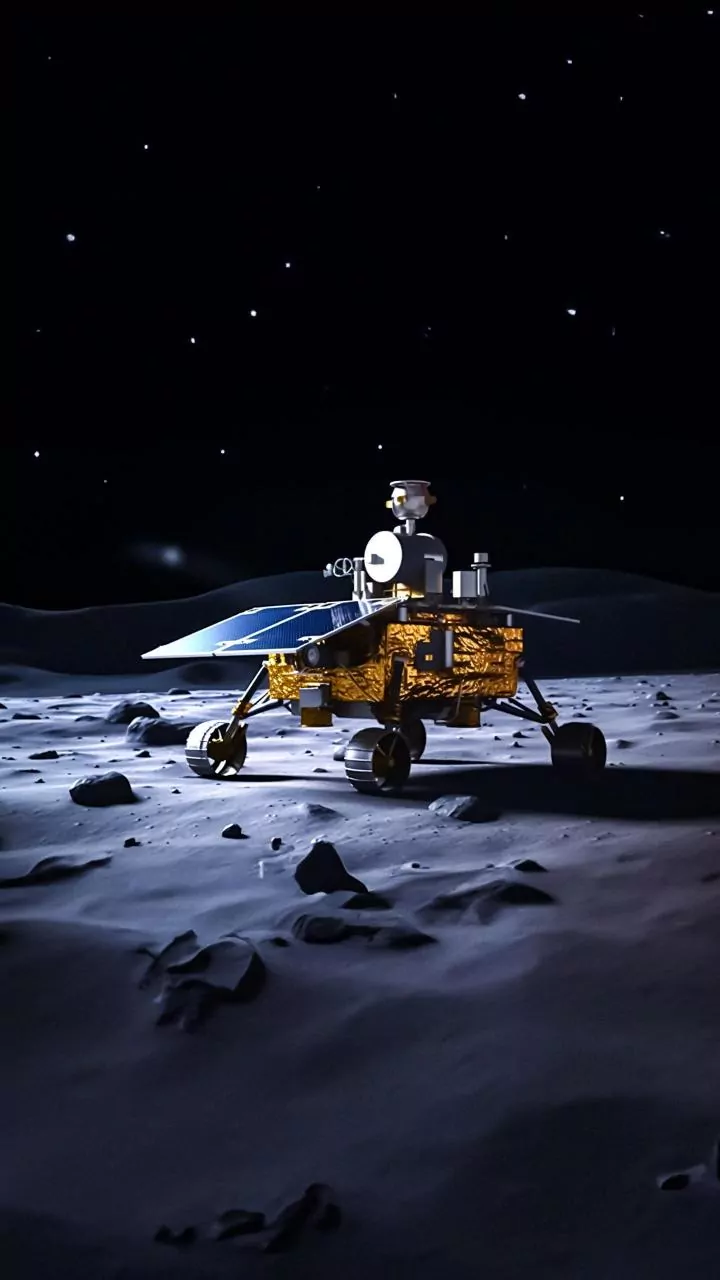
This discovery has kicked off a new wave of international interest in the Moon, particularly the resource-rich south pole. Space agencies and private companies are now in a race to develop the technology needed to explore and eventually extract this water. NASA's Artemis program plans to send astronauts to the lunar south pole to study these ice deposits firsthand. Upcoming missions like NASA's VIPER rover are specifically designed to prospect for ice and understand its distribution. Meanwhile, other nations are launching their own ambitious lunar programs. China's Chang'e-7 mission, planned for 2026, will also target the south pole to characterize its resources. India’s Chandrayaan program has already played a crucial role, with findings from Chandrayaan-2's radar suggesting evidence of subsurface ice. This global focus signals a shift from short visits to establishing a long-term, sustainable human presence on the Moon.
The Challenges of Lunar Mining
Despite the excitement, getting to the water won't be easy. These ice deposits are located in some of the coldest and most forbidding environments in the solar system. The permanently shadowed craters are incredibly difficult to access, and any mining equipment would have to operate in extreme cold and darkness. The ice is likely mixed with lunar soil, or regolith, meaning it will have to be drilled, excavated, and heated to extract the water. Engineers will need to design robotic and eventually human-led missions capable of withstanding these harsh conditions. Missions like the European Space Agency's Prospect drill, planned for 2027, will be among the first to test technologies for drilling into the frozen lunar surface and analyzing its composition. These early missions will be crucial for determining just how much water is there and how practical it will be to harvest it.