







From Garnish to Premium Green
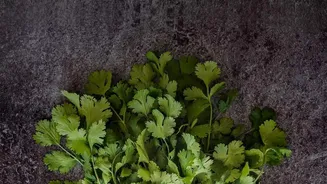
In kitchens across India, fresh coriander is not just a garnish; it is a foundational flavour. But recently, households have been facing sticker shock as this humble herb has transformed from a complimentary add-on to a costly essential. Retail prices
in cities like Delhi have surged to between ₹220 and ₹230 per kilogram. To put this into perspective, traders at major wholesale markets, such as Delhi's Azadpur mandi, note that prices at this time of year typically hover around ₹25 per kilogram. This dramatic eight-fold increase has left consumers and even restaurant owners rationing its use, a clear sign of a system under strain. The culprit is not a sudden surge in demand, but a severe disruption in supply, triggered by this year's intense monsoon.
When Rain Becomes the Enemy
While monsoon rains are vital for Indian agriculture, too much of a good thing can be devastating. Key coriander-producing regions have been lashed with excessive rainfall, leading to waterlogged fields and widespread crop damage. Nashik in Maharashtra, a major supplier of green coriander to northern markets, was hit by intense rainfall and flooding in late July, damaging the standing crop. Coriander plants are delicate; they are susceptible to fungal diseases and root rot in overly wet conditions. The excess moisture not only destroys the plants but also significantly reduces the quality and shelf life of the harvested leaves, making them unfit for the long journey to distant markets. Farmers often suspend harvesting altogether during heavy downpours, further squeezing the pipeline of fresh produce.
A Broken Supply Chain
The journey of coriander from farm to table is a fragile one, and the monsoon has exposed its vulnerabilities. The crop failure in primary growing areas like Nashik has created a severe bottleneck. Supplies from other regions, such as Bengaluru and Latur, have also been limited due to their own weather-related issues, including delayed rainfall earlier in the season. The damage is compounded by transportation hurdles. Waterlogged roads and transit disruptions mean that even the limited produce that is harvested struggles to reach wholesale markets. This leads to sharply reduced arrivals at mandis. When supply dwindles, wholesale prices are driven up in auctions, a cost that is inevitably passed down through the supply chain from the wholesaler to the local vegetable vendor and, finally, to the consumer.
The Ripple Effect in the Kitchen
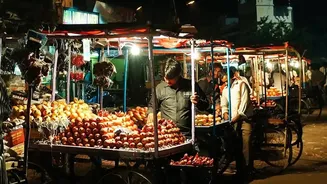
The coriander price shock is part of a wider trend of rising costs for kitchen aromatics, with prices for ginger and garlic also climbing. For millions of households, this pinch is tangible. The small bunch of dhaniya, once a simple flavour enhancer, is now a calculated expense. Families are forced to adapt, either by reducing the quantity they buy or omitting it from dishes where possible. Street food vendors and restaurants, for whom such ingredients are essential, face a difficult choice: absorb the higher cost and shrink their margins, or raise their own prices, potentially alienating customers. This situation highlights how climatic events in one part of the country can directly impact the daily budget and culinary habits of people hundreds of kilometres away.
What Happens Next?
Market experts and traders anticipate that prices will remain volatile as long as the monsoon continues to disrupt harvesting and transport. The immediate outlook depends heavily on the weather in the coming weeks. A break in the intense rainfall could allow for some recovery in harvesting and ease transportation bottlenecks, potentially offering some relief. However, the damage to the current crop is already done. Prices are only expected to stabilize significantly when the next crop cycle begins and fresh, healthy supplies can replenish the parched markets. Until then, consumers may have to get used to paying a premium for their favourite herb, a stark reminder of the intricate link between climate, agriculture, and the cost of our daily meals.