


The Foundation: More Than Just Green
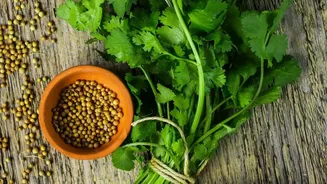
At its core, the green chutney (or hari chutney) for vada pav is a simple, no-cook blend of fresh herbs and spices. The primary ingredients are fresh coriander, green chillies, garlic, and ginger. While many green chutneys exist, the version destined
for vada pav is typically punchy and robust to stand up to the spiced potato vada. The coriander provides a fresh, citrusy base, the green chillies bring the essential heat, and ginger and garlic add a pungent depth. Unlike some other chutneys, mint is often used sparingly or omitted entirely to keep the flavour profile sharp rather than cooling. Some vendors also add a souring agent like lemon juice to brighten the flavours and help preserve the chutney's vibrant colour.
Achieving the Perfect Consistency
A common pitfall when making green chutney is getting the consistency wrong. Too watery, and it makes the pav soggy; too thick, and it’s difficult to spread. The ideal vada pav green chutney is a smooth, spreadable paste. The secret to achieving this without adding excess water—which dilutes the flavour—is to use a 'thickener'. Many recipes call for adding a small amount of roasted chana dal (fried Bengal gram), roasted peanuts, or even a piece of white bread to the blender. These ingredients absorb excess moisture and create a thicker, more stable emulsion, ensuring your chutney clings perfectly to the bread without turning it into a mess.
Controlling Heat and Tang
The beauty of homemade chutney is the ability to customise it. The level of spiciness is entirely in your hands and depends on the type and quantity of green chillies used. For a fiery kick, use spicier chilli varieties and include the seeds. For a milder flavour, use fewer chillies or remove the seeds before blending. The tangy element is just as crucial. Lemon juice is the most common choice for its clean, acidic bite. However, some regional variations might use amchur (dry mango powder) for a different kind of sourness or even a small amount of tamarind for a sweet-and-sour profile, though this is less traditional for the classic Mumbai-style green chutney.
Storage and Preserving Freshness
One of the biggest challenges with green chutney is that it oxidises and loses its bright green colour, often turning a dull brown within a day or two. To combat this, always add lemon juice at the end of the blending process, as the acid helps slow down oxidation. Storing the chutney in a completely airtight container in the refrigerator is essential. For longer-term storage, the best method is freezing. A popular technique is to pour the chutney into an ice cube tray, freeze it, and then transfer the frozen cubes into a ziplock bag. This allows you to thaw small, convenient portions as needed, preserving the colour and flavour for up to several months. Some cooks also suggest adding a teaspoon of neutral oil while blending to help retain the colour.
Beyond the Basics: Regional Variations
While the coriander-chilli-garlic combination is classic, many regional twists exist. In Pune, the wet green chutney is often served alongside the dry garlic chutney for a mix of textures. Some versions from Kolhapur might lean towards a coarser, more pungent 'thecha' style, which is a pounded mixture of green chillies and garlic. In other parts of India, you might find green chutneys for vada pav that include spinach for extra colour, roasted cumin for an earthy aroma, or even a hint of grated coconut for a South Indian-inspired flavour profile. These variations show that while the classic recipe is a great starting point, there's plenty of room for delicious experimentation.