





The Fleeting Charm of Sitaphal
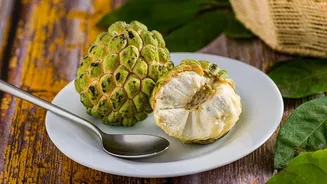
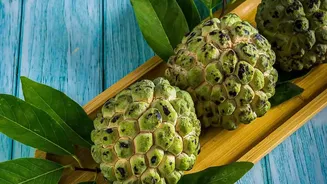
Sitaphal, or custard apple, is a true seasonal gem. It typically graces markets between September and November, making it a post-monsoon treat many eagerly await. With its bumpy green skin, the fruit might not look like much, but breaking it open reveals
a treasure. The inside is filled with a fragrant, creamy white pulp that has a unique flavour, often described as a blend of banana and pineapple. This delicate pulp is studded with large, glossy black seeds that must be painstakingly removed—a labour of love that is well worth the effort. Beyond its taste, the fruit is packed with nutrients like Vitamin C, potassium, and magnesium, making it a healthy indulgence.
Phirni: A Comforting Classic
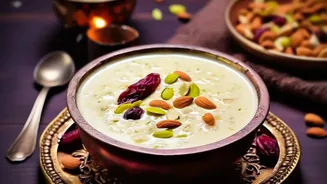
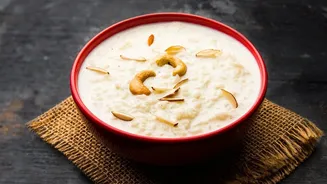
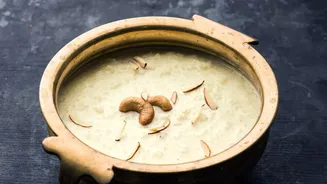
Phirni is a traditional North Indian sweet pudding with roots that are often traced back to Mughal kitchens. It's a close cousin to kheer, but with a distinct personality. While kheer uses whole rice grains, phirni is made from coarsely ground basmati rice. This rice paste is slow-cooked in full-fat milk until the mixture becomes thick, creamy, and subtly grainy. The pudding is typically sweetened with sugar and aromatized with classic Indian flavours like cardamom, saffron, or rose water. One of its most defining characteristics is the way it's served. Traditionally, phirni is set and served chilled in small, unglazed clay bowls called 'shikoras', which absorb excess moisture and impart a unique earthy aroma to the dessert.
A Match Made in Dessert Heaven
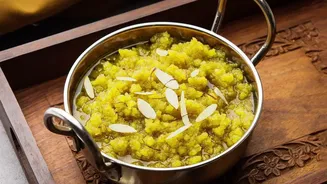
The magic happens when the seasonal fruit meets the timeless dessert. Sitaphal Phirni is a modern classic that elevates the simple rice pudding into something extraordinary. The natural sweetness and luscious, creamy texture of the sitaphal pulp blend seamlessly with the milky, grainy base of the phirni. The fruit's unique flavour profile adds a fresh, tropical dimension that cuts through the richness of the milk, creating a dessert that is both indulgent and refreshingly light. The combination is a celebration of textures and flavours—the slight grain from the rice, the thick creaminess of the milk, and the soft, fragrant pulp of the fruit, all coming together in one spoonful.
Crafting the Perfect Bowl
Making Sitaphal Phirni at home is a rewarding process. The key lies in a few crucial steps. First, choose ripe, soft sitaphal, as this makes the laborious task of de-seeding much easier. The pulp should be mashed until smooth before being added to the phirni base. Crucially, the phirni itself—the cooked mixture of ground rice and milk—must be allowed to cool to room temperature before the fruit pulp is folded in. Adding the pulp to hot milk can cause it to curdle and will cook the fruit, diminishing its fresh flavour. Once combined, the phirni is poured into bowls and chilled for several hours. This allows the flavours to meld and the pudding to set to its signature thick consistency. A final garnish of slivered pistachios or almonds adds a welcome crunch.