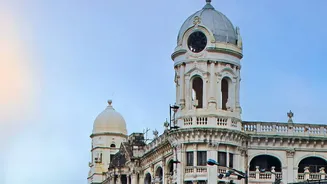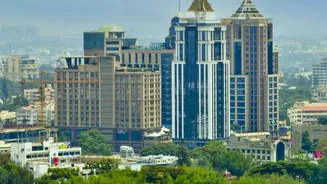

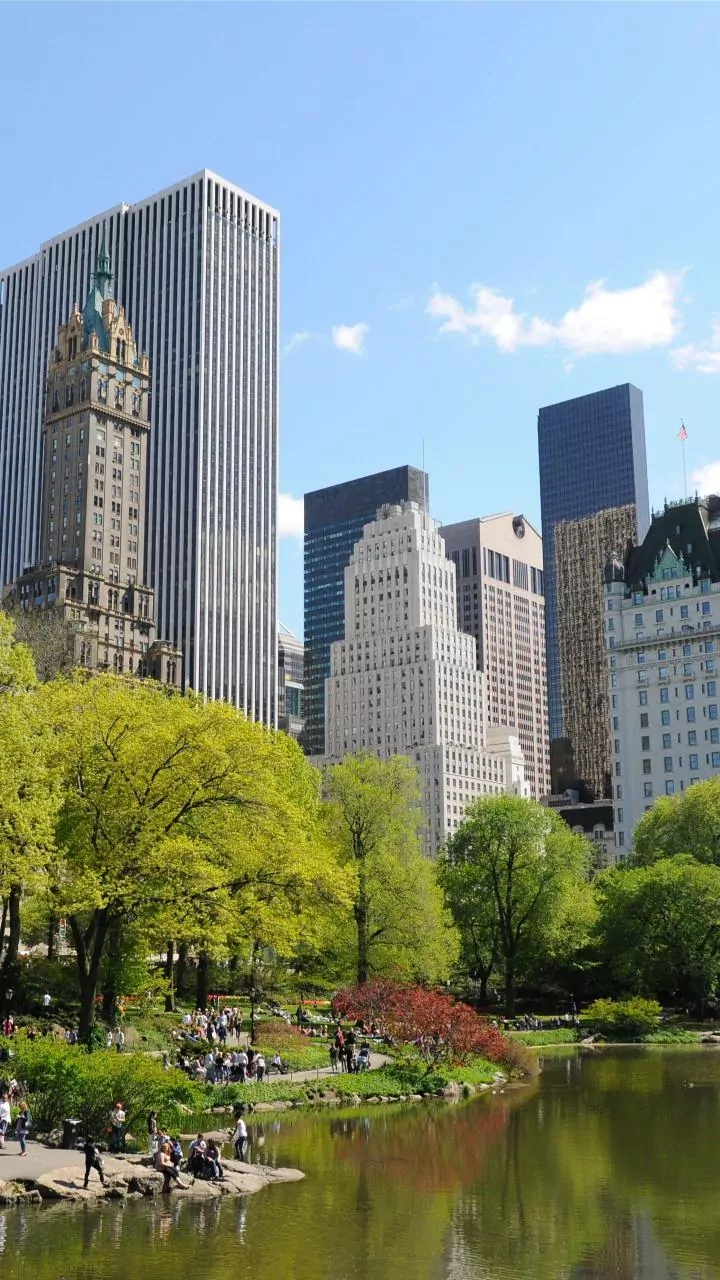
When we think of nature, we often picture distant forests or remote mountains. But look closer. In the heart of our bustling cities, a new kind of wilderness is emerging, challenging our very definition of what it means to be wild.
Our Unexpected New Neighbours
For decades, we’ve considered
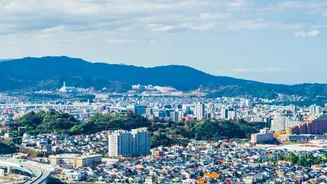
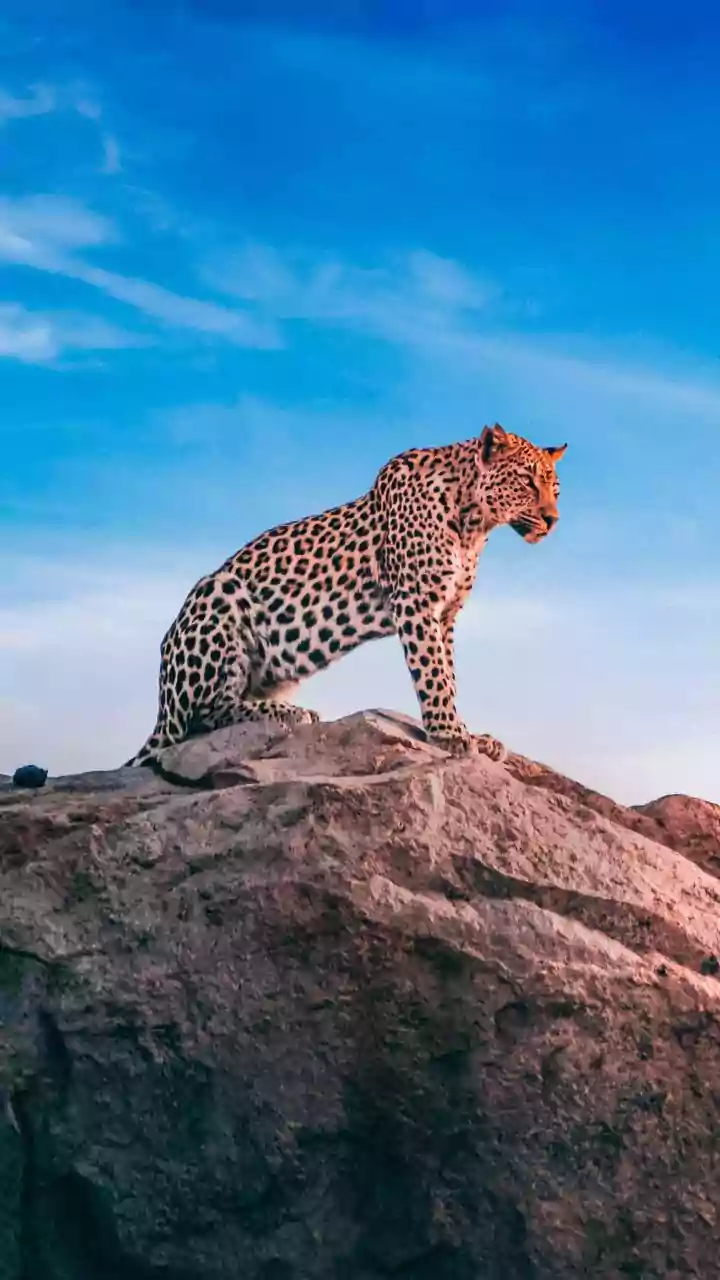
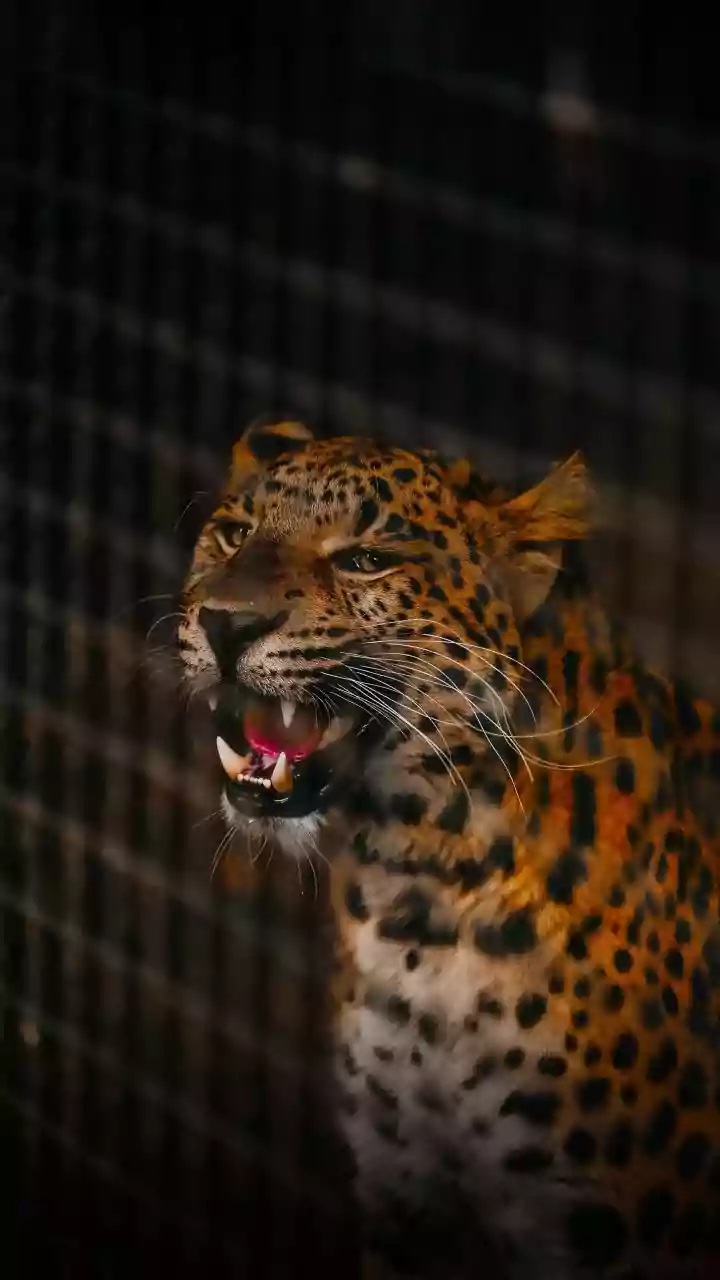
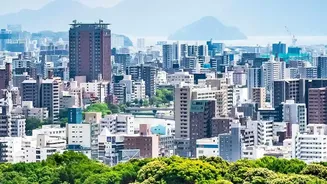
cities to be biological deserts, largely devoid of wildlife beyond pigeons, stray dogs, and the occasional monkey. Yet, as urban areas expand and natural habitats shrink, a remarkable transformation is underway. Species once confined to the countryside are not just surviving but thriving amidst the concrete and chaos. From leopards prowling the outskirts of Mumbai to peregrine falcons nesting on skyscrapers, wild animals are making our cities their new homes. These 'synanthropes', or wild animals that live in human-altered environments, are rewriting the rules of the natural world, proving that nature is far more resilient and adaptable than we ever imagined.
Survival of the Smartest
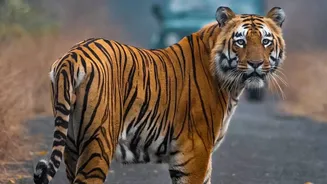
What does it take for a wild animal to make it in the city? The species that succeed are often generalists with flexible diets and a high capacity for learning. Raccoons in North America have become notorious for their ability to open trash cans, while red foxes in London use railway lines as their personal highways. This adaptation is a form of rapid evolution in action. Studies show that some urban birds sing at a higher pitch to be heard over traffic noise, while lizards in Puerto Rico have evolved stickier toe pads to better grip smooth surfaces like glass and painted concrete. In India, leopards in cities like Mumbai and Indore have adapted their diet to include stray dogs and livestock, using overgrown drains and abandoned lots to move stealthily through human-dominated areas at night. These animals are not just visitors; they are becoming true urbanites.
The New Urban Ecosystem
The arrival of these animals is creating entirely new urban food webs. For example, the abundance of pigeons and rats in cities provides a steady food source for predators like peregrine falcons and leopards. In Mumbai's Sanjay Gandhi National Park, which sits in the heart of the metropolis, leopards play a crucial role in controlling the stray dog population. This has an indirect benefit for human residents. Beyond predation, urban wildlife contributes to the ecosystem in other ways. Birds and insects pollinate plants in city parks and balcony gardens, while snakes help keep rodent populations in check. Far from being sterile environments, our cities are complex, functioning ecosystems where human and animal lives are increasingly intertwined.
Navigating Conflict and Coexistence
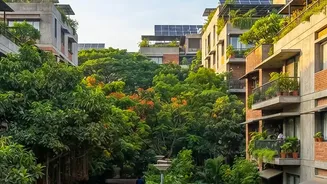
While the presence of urban wildlife is fascinating, it is not without challenges. Increased interaction can lead to conflict, from monkeys becoming aggressive in Delhi and Jaipur to coyotes posing a risk to pets in American cities. The key to navigating this is shifting from a mindset of conflict to one of coexistence. This involves practical changes in how we manage our cities. Better waste management is crucial, as open garbage is a major attractant for many species. Urban planners are also exploring new strategies, such as creating dedicated wildlife corridors to allow animals to move safely, designing buildings to be more bird-friendly, and maintaining green spaces that prioritise wildlife needs alongside human recreation. In Mumbai, awareness campaigns have helped residents learn to live alongside the local leopard population, reducing fear and conflict.
Redefining the 'Wild'
The rise of the urban animal forces us to reconsider what 'nature' is and where it belongs. The old idea of nature as something separate from human society—a pristine wilderness to be visited—is becoming obsolete. Instead, we are seeing that nature is embedded in our daily lives, resiliently adapting to the environments we create. This doesn't mean we should stop protecting traditional wild spaces. Many species simply cannot adapt to urban life and depend on undisturbed habitats for their survival. However, it does mean recognising our cities as vital ecosystems in their own right. By making our cities more hospitable to wildlife, we also make them better for ourselves, with benefits like cleaner air, reduced stress, and a stronger connection to the natural world.