






The Science Behind the Squeeze
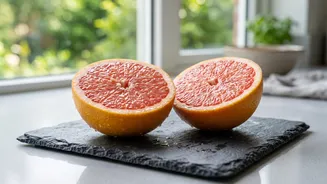
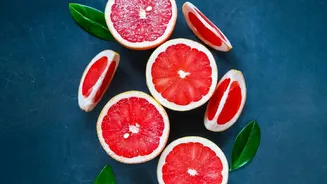
The problem isn't the vitamin C or the acidity. It's a group of natural chemicals called furanocoumarins. These compounds are found in high concentrations in certain citrus fruits and are responsible for a significant food-drug interaction. When you consume
these fruits or their juice, the furanocoumarins interfere with a crucial enzyme in your body, cytochrome P450 3A4, or CYP3A4 for short. This enzyme, located in the walls of your small intestine and liver, is responsible for breaking down (metabolising) a large percentage of medications before they enter your bloodstream. Furanocoumarins essentially ambush and disable this enzyme, preventing it from doing its job.
An Enzyme Out of Commission
The inhibition of the CYP3A4 enzyme is not a fleeting effect. Furanocoumarins cause what's known as mechanism-based inhibition, meaning they bind to the enzyme so tightly that they permanently deactivate it. Your body must then produce entirely new enzyme molecules to restore its function, a process that can take anywhere from 24 to 72 hours. This is why simply spacing out your medication and your glass of juice by a few hours won't solve the problem. A single glass of juice can have an effect that lasts for over a day, meaning even a morning drink can interfere with an evening dose. This prolonged effect is what makes the interaction particularly deceptive and risky.
The Danger of 'Too Much' Medicine
When CYP3A4 is blocked, much more of the active drug can pass from your gut into your bloodstream than the manufacturer and your doctor intended. A standard, safe dose of a medication can effectively become an overdose. Instead of being properly metabolised, the drug's concentration in your blood can rise to toxic levels. This can lead to a range of severe side effects, depending on the drug, including intense muscle pain, kidney failure, respiratory depression, gastrointestinal bleeding, and dangerous heart rhythms. For someone taking a statin, for example, the risk of liver and muscle damage increases significantly.
Not All Citrus Is a Culprit
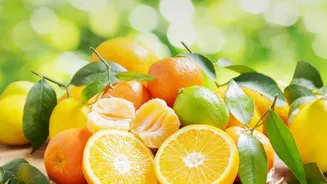
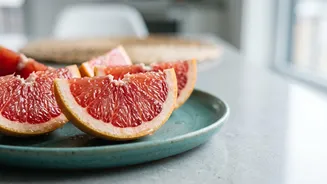
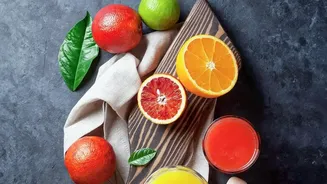
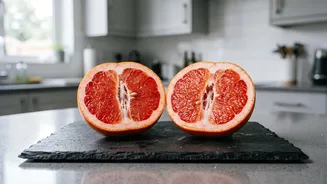
It's important to know that this is not a universal citrus problem. The fruits most commonly implicated are grapefruit, pomelos, Seville oranges (often used in marmalade), and some limes. These contain the highest concentrations of the problematic furanocoumarins. On the other hand, common sweet oranges (like Valencia and navel), lemons, and tangerines are generally considered safe as they do not contain these compounds in significant amounts and do not inhibit the CYP3A4 enzyme in the same way. However, some studies have noted that apple and orange juice can interfere with drug absorption through a different mechanism, by blocking transporters that help drugs enter the bloodstream, thereby reducing their effectiveness.
Which Medications Are at Risk?
The list of drugs that interact with grapefruit is long and growing, currently standing at over 85 medications. The interaction is drug-specific, not a class-wide effect, so it's crucial to check each medication individually. Some of the most common categories of affected drugs include: certain statins to lower cholesterol (like atorvastatin and simvastatin), some calcium channel blockers for high blood pressure (like felodipine and nifedipine), immunosuppressants for organ transplant patients (like cyclosporine), certain anti-anxiety drugs (like buspirone), and some antihistamines.
The Safest Way to Take Your Pills
Given the potential for serious interactions, the simplest and safest advice is to take your medications with a full glass of plain water. This ensures there is no interference with how the drug is absorbed or metabolised. If you are a regular consumer of grapefruit or other high-risk citrus juices, it is essential to discuss this with your doctor or pharmacist. They can review your medications, check for any potential interactions, and advise whether you need to avoid these fruits entirely. Never assume a drug is safe to take with juice; always read the medication leaflet and consult a professional if you are unsure.