




The Sunday meal prep marathon is a familiar ritual for many, but the appeal can fade when you're eating five-day-old food. A twice-weekly approach offers a more flexible, less overwhelming alternative that keeps meals fresh and interesting.
The Case for Splitting Your Prep
Traditional
batch cooking, where all meals for the week are prepared in one long session, is a fantastic way to save time and money. However, it has its downsides. By Thursday, refrigerated meals can lose their texture and appeal. A twice-weekly model splits the work into two shorter, more manageable sessions. This approach offers several key advantages. Meals taste fresher, as they are only cooked a couple of days in advance. It also reduces 'decision fatigue' by breaking down the planning process and allows for more variety in your diet. Splitting the prep can also lead to less food waste, as you can adjust your second cooking session based on what you've actually eaten, rather than sticking to a rigid plan made days earlier.
Crafting Your Two-Session Strategy
A successful twice-weekly plan hinges on a smart division of labour. Think of it as a main prep day and a mid-week refresh. The first session, perhaps on a Sunday, is for the more time-consuming items. This is when you'll cook foundational components that store well for a few days. The second session, on a Wednesday or Thursday, should be much quicker—under an hour—and focus on fast-cooking items and fresh ingredients for the remainder of the week. For example, Sunday's session might involve roasting a whole chicken and cooking a large pot of quinoa. Wednesday’s session would then be about quickly stir-frying some fresh vegetables to go with the leftover chicken and grains. This strategy ensures you're never starting from scratch, but your meals for Thursday and Friday don't feel like tired leftovers.
Session One: Building the Foundation
Your first prep session is for the heavy lifting. Focus on components that can be mixed and matched for the first three to four days of the week. Good candidates for this session include proteins that reheat well, sturdy roasted vegetables, and grains. Think about making a large pot of chilli, a curry base, or a versatile tomato sauce that can be used for pasta one night and a bake the next. Cook a batch of a hearty grain like brown rice, barley, or quinoa. You could also grill several chicken breasts, bake a tray of tofu, or hard-boil a half dozen eggs. The goal is to create a 'bank' of ingredients that makes assembling meals for Monday, Tuesday, and Wednesday incredibly fast.
Session Two: The Mid_Week Refresh
The mid_week session is all about speed, freshness, and flexibility. This prep should be short and focused. It's the perfect time to handle delicate ingredients that wouldn't survive a full week in the fridge. Think about chopping fresh vegetables for salads or quick sautés, like bell peppers and zucchini. You could also whip up a fresh sauce or dressing to bring new life to your foundational proteins and grains. This is also a good opportunity to cook quick_cooking proteins like fish or shrimp for dinner that night and lunch the next day. This second session prevents meal fatigue and ensures the tail end of your week feels just as effortless and delicious as the beginning.
Smart Storage for Maximum Freshness
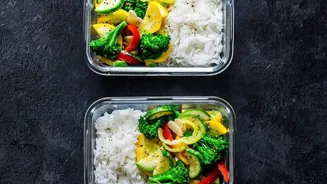
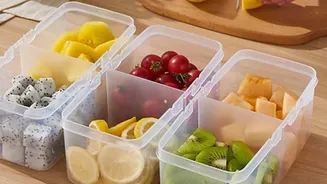
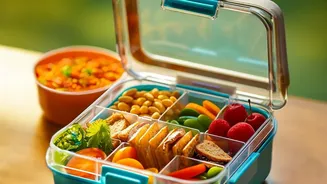
Proper storage is crucial for any meal prep success, but especially when you want food to last. Invest in quality airtight containers, preferably glass, which don't stain or hold odours and can often go from the fridge to the microwave. When storing meals, let food cool down before sealing and refrigerating to prevent condensation, which can lead to sogginess and faster spoilage. For food safety, the USDA advises that most leftovers should be consumed within three to four days. Label everything with the contents and the date it was made. This simple step eliminates guesswork and helps you use up older items first. For items you won't eat within that window, the freezer is your best friend. Soups, stews, and sauces freeze particularly well.
Common Mistakes to Avoid
Even with a great strategy, a few common pitfalls can derail your efforts. One major mistake is over_complicating things. Don't try to make five brand new, elaborate recipes in one go. Start with familiar favourites that you know store and reheat well. Another issue is overcrowding your pans when roasting vegetables or proteins; this causes food to steam instead of browning, resulting in a mushy texture. Also, avoid freezing foods that don't hold up well, such as cream_based sauces or cooked pasta, which can become grainy or mushy upon reheating. It's often better to cook pasta or rice fresh and simply add your pre_prepared sauce.