




The Other Pilot Takes Command
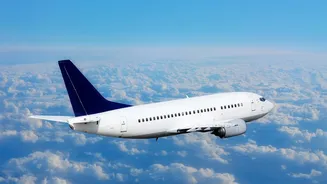
The most critical safety feature in a commercial cockpit is the second pilot. The person in the right seat, known as the First Officer or co-pilot, is a fully certified pilot, not a trainee. They are qualified to operate the aircraft, and pilots routinely
alternate who is actively flying the plane from one leg of a journey to the next. In the event of an incapacitation, the remaining pilot's first action is to take firm control of the aircraft, often stating “I have control” to formalize command. Their immediate priority is to fly the plane safely, stabilizing its flight path before addressing anything else.
Declaring an Emergency and Getting Help
Once the aircraft is stable, the pilot will declare an emergency with Air Traffic Control (ATC). Using a distress call like "Mayday" immediately gives the flight priority handling. ATC can clear airspace, provide guidance to the nearest suitable airport, and ensure emergency services are ready on the ground. The pilot will then call the cabin crew to the cockpit for assistance. Flight attendants are trained to help secure the incapacitated crew member, moving their seat back and using the harness to ensure they don't interfere with the flight controls. They can also administer first aid, like oxygen, and check if there are any medically qualified passengers on board to help.
Training for the Unthinkable
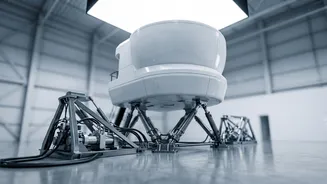
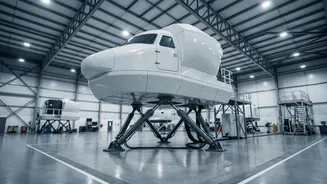
Pilots don't just figure this out as they go; they train for it repeatedly. Incapacitation scenarios are a mandatory and routine part of recurrent simulator training for airline pilots. During these sessions, an instructor will simulate either a sudden or subtle incapacitation of the other pilot, forcing the trainee to run through the exact procedures required in a real-life event. This includes flying solo, managing the workload, communicating with ATC, and preparing for a single-pilot landing. This rigorous training ensures the response is reflexive and effective, removing panic from the equation.
The Role of Technology
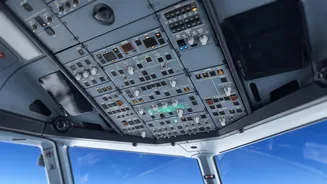
Modern aircraft are equipped with sophisticated technology that significantly reduces the workload on the remaining pilot. The autopilot is a crucial tool, capable of managing the aircraft’s altitude, speed, and navigation, freeing up the pilot to focus on communication and planning the landing. In certain situations, such as very low visibility, many commercial jets can even perform an 'autoland', where the aircraft's systems guide it to the runway and touch down with the pilot monitoring the process. While pilots generally prefer to land manually, the autoland capability provides an invaluable backup in a high-stress, single-pilot emergency.
Prevention and Health Monitoring
Airlines and regulators like India's Directorate General of Civil Aviation (DGCA) also focus heavily on prevention. This includes strict medical standards for pilots and rules designed to manage fatigue, a known risk factor. Pilots undergo regular health screenings, and regulations around flight duty time and rest periods are in place to ensure they are fit to fly. A simple but effective airline rule is that the two pilots on duty should not eat the same meal, which helps prevent a shared case of food poisoning from affecting both crew members at the same time.