



Layer 1: The Aircraft Itself Is a Safety System
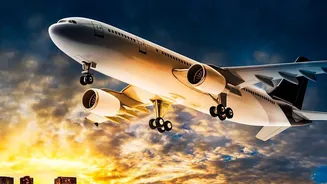
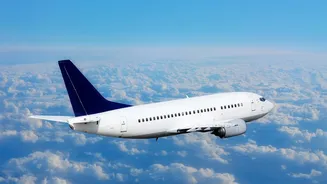
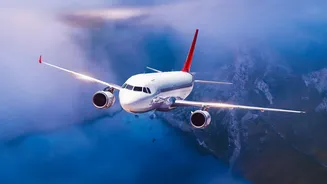
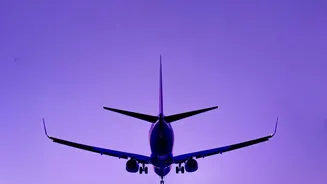
Long before you board, safety is built into the very design of the aircraft. Critical systems on modern planes are redundant, meaning there are multiple backups. For example, commercial jets are designed to fly and land safely even if an engine fails.
They are equipped with an Auxiliary Power Unit (APU), a small, extra engine that can provide essential electrical and hydraulic power if the main engines shut down. Another key backup is the Ram Air Turbine (RAT), a small propeller that can drop from the fuselage to generate power from the airstream, ensuring pilots can always control the plane. This principle of redundancy applies to nearly every critical component, from flight computers to hydraulic systems, ensuring that a single failure does not become a catastrophe.
Layer 2: Highly Trained Pilots and Cabin Crew
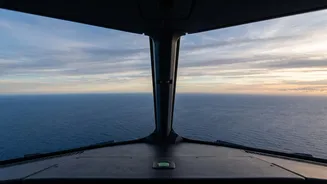
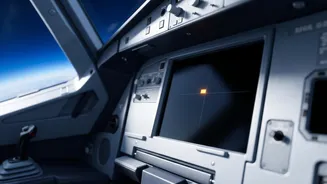
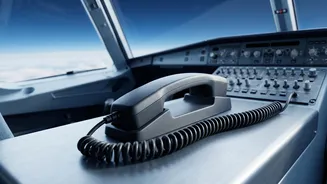
The flight crew is your most visible and vital safety layer. Pilots undergo thousands of hours of rigorous training, spending a significant amount of time in advanced flight simulators. These simulators can replicate almost any conceivable emergency, from engine fires and severe weather to landing gear malfunctions and rapid depressurisation. This allows them to practice emergency checklists and procedures until they become second nature. The guiding principle is "Aviate, Navigate, Communicate": first, fly the plane; second, find a safe place to go; and third, talk to air traffic control. Cabin crews are also extensively trained emergency responders. They practice everything from firefighting and medical aid to conducting a full evacuation in 90 seconds or less.
Layer 3: The Smart and Safe Cabin
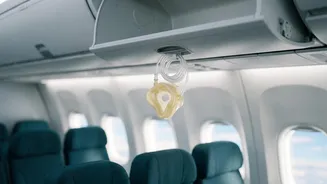
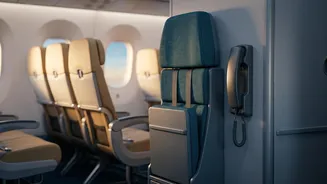
The aircraft cabin is an environment engineered for safety. Every material, from the seat cushions to the carpets and wall panels, is fire-retardant and tested to self-extinguish. Should the cabin lose pressure, oxygen masks automatically deploy. These masks don't pull from a central tank; instead, pulling a mask down initiates a chemical reaction in a generator above your seat to produce breathable oxygen for about 10-12 minutes—plenty of time for pilots to descend to a safe altitude. In the event of an evacuation, floor-level lighting guides passengers to exits, even in a smoke-filled cabin. The evacuation slides themselves are designed to be used as life rafts in a water landing. Every detail is regulated and certified to maximise passenger safety.
Layer 4: Eyes and Ears on the Ground
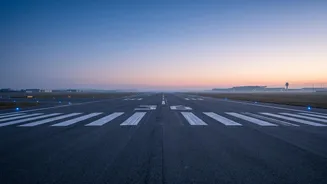
An aircraft in distress is never truly alone. Air Traffic Control (ATC) provides a crucial layer of support from the ground. When a pilot declares an emergency, their flight immediately receives top priority. Controllers clear the surrounding airspace, provide the most direct route to the nearest suitable airport, and coordinate with emergency services on the ground to be ready for the aircraft's arrival. ATC's radar systems can highlight an emergency aircraft to ensure controllers maintain constant awareness of its position. This ground-based network acts as a logistical and navigational safety net, allowing the flight crew to focus on flying the plane while others handle the ground coordination.