






The Invisible Hand of the Algorithm
For years, the default social media experience has been driven by complex algorithms. Platforms like Instagram, Facebook, and TikTok use these systems to decide what you see, not based on when it was posted, but on what they predict you will engage with.
Their goal is to maximize the time you spend on the app by showing you content that is popular, sensational, or similar to what you’ve liked before. This model is great for platform revenues, which depend on keeping you scrolling past more advertisements. However, critics argue this has led to a less authentic experience, creating addictive feedback loops, promoting outrage for engagement, and trapping users in filter bubbles where they rarely encounter new or diverse perspectives.
The Return of Chronological Choice
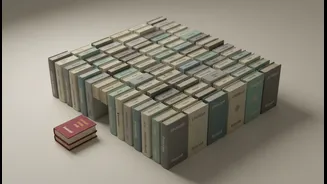
An algorithm-free feed, often called a chronological or reverse-chronological feed, is a simple concept: it shows you posts from the accounts you follow in the order they were published. The newest content appears at the top. This was the standard in the early days of social media before platforms shifted to engagement-based models around the mid-2010s. Today, in response to user demand and even regulatory pressure, many major platforms have reintroduced chronological feeds as an option. Instagram, X (formerly Twitter), and Facebook all allow users to switch to a feed that only shows content from people they follow, sorted by time. However, these are often opt-in features you must select each time you open the app, with the algorithm remaining the default.
A More Mindful Social Experience
Users who make the switch often report a sense of relief and a healthier relationship with social media. Without an algorithm constantly pushing a stream of high-dopamine content, the experience becomes less addictive and more intentional. Proponents say it allows for a more transparent and predictable way to consume content, ensuring you see updates from all the friends and creators you chose to follow, not just the ones the algorithm deems most engaging. This can lead to breaking out of echo chambers and a feeling of greater control over your own information diet. For some, it helps reduce the mental fatigue and anxiety associated with the endless, algorithm-fueled scroll.
The Challenges of an Unfiltered View
While user control is a major plus, a purely chronological feed isn't without its drawbacks. If you follow hundreds of accounts, the feed can become an overwhelming 'firehose' of information, making it easy to miss important posts. The algorithmic feed, for all its faults, is effective at surfacing content it predicts you’ll find interesting, which can be useful for discovering new creators or viral moments. Furthermore, a 2023 study found that switching to a chronological feed on Facebook and Instagram didn't have a discernible effect on political polarization. Some also argue that creators who rely on algorithmic boosts to reach new audiences might struggle to grow in a purely chronological system, potentially pushing them to post more frequently rather than focusing on quality.
The Future of the Feed: A Hybrid Approach?
The conversation is no longer just about algorithm versus chronological. A new frontier is emerging: user-controlled algorithms. Newer platforms like Bluesky are experimenting with “algorithmic choice,” allowing users to subscribe to or even create their own custom feeds based on specific interests. Similarly, Threads has introduced features that let users temporarily adjust the topics in their feed. This hybrid model blends the benefits of automated discovery with direct user input, offering a middle ground that respects user agency without sacrificing the potential for serendipitous discovery. It suggests a future where social media isn't something that happens to you, but something you actively shape.